

The Metro B line is one of the easiest ways to reach central Rome from Casal Bernocchi. Casal Bernocchi does not have a metro station directly in the neighborhood, but the Laurentina stop is very close and you can reach it in under 10 minutes by bus.
From the Laurentina stop to the main attractions
Once you board Metro B toward Rebibbia, you'll be on your way to some of Rome’s most famous monuments. Here are the actual travel times from the Laurentina station:
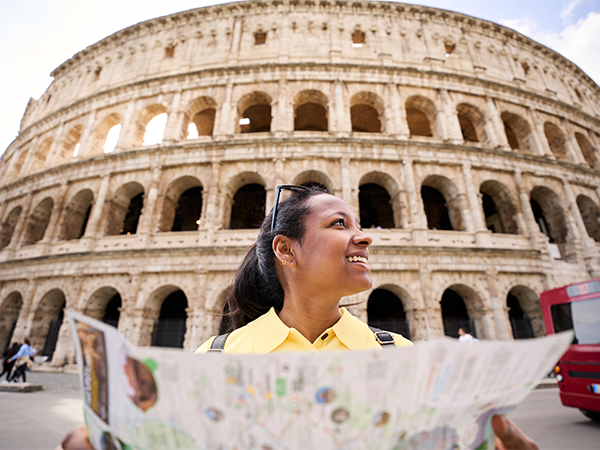
- Colosseum: 27-30 minutes direct. Get off at the "Colosseo" stop and you will find yourself just steps from the amphitheater. Impossible to get lost.
- Termini: 20-22 minutes. Rome's central station, from where you can reach virtually any corner of the city.
- Circo Massimo: 25 minutes. Convenient for visiting the Palatine Hill, the Roman Forum, and strolling toward Bocca della Verita along less touristy streets.
- Piramide: 18 minutes. Here you can transfer to Metro B1 for San Paolo or take Metro B toward Laurentina for Garbatella and the Basilica of San Paolo.
Metro B schedules and frequency
The Rome metro operates every day with the following standard hours:
- Weekdays: from 5:30 AM to 11:30 PM
- Friday and Saturday: from 5:30 AM to 1:30 AM
- Sunday and public holidays: from 5:30 AM to 11:30 PM
Frequency during the central hours of the day is approximately 4-7 minutes between trains. During morning and evening peak hours the interval shortens further. In the evening after 9:00 PM the wait can extend to 10-12 minutes, but it remains manageable.
One important detail: the last useful train from Termini toward Laurentina departs about 40 minutes before the official closing time. If you have had dinner out or attended an evening show, always check the time of the last service to avoid being stranded.
The bus lines connecting Casal Bernocchi to the metro
Buses are the link between your apartment and the Laurentina station. Several lines run through Casal Bernocchi with regular frequency throughout the day.
Line 765: the most used by residents
This line connects Casal Bernocchi to the Laurentina stop with frequent service. On weekdays it runs every 10-15 minutes during main hours. The journey takes about 8-10 minutes depending on traffic and intermediate stops.
The terminus or main stops are located at strategic points in the neighborhood, easily walkable from most tourist accommodations. Check with your host which stop is closest to your apartment.
Line 707: a reliable alternative
Another valid option that covers a different part of Casal Bernocchi. In this case too the destination is Laurentina, with similar travel times to the 765. Having two lines available reduces waiting times: often one bus or the other arrives first.
Night and holiday services
Rome maintains an active night bus service covering the hours when the metro is not running. Night lines have numbers prefixed with N and run less frequently, usually every 30-40 minutes. Not all of them pass through Casal Bernocchi, so if you plan to return very late check in advance which connections are available.
Alternatives to the metro: when and why to use them
The metro remains the fastest and most reliable choice, but there are situations where other options can be more convenient or more economical.
Direct buses to certain areas
Some bus lines depart from Casal Bernocchi or from the nearby Laurentina and reach parts of the city not served by Metro B directly. The EUR district, for example, is more easily accessible by bus than by combining the metro with transfers.
To reach Trastevere or Testaccio as well, especially if starting from Laurentina, you can find direct lines that spare you the metro journey and the subsequent walk. The total time may be similar, but you avoid escalators and underground crowds.
Taxis and private hire cars: when they are worth the cost
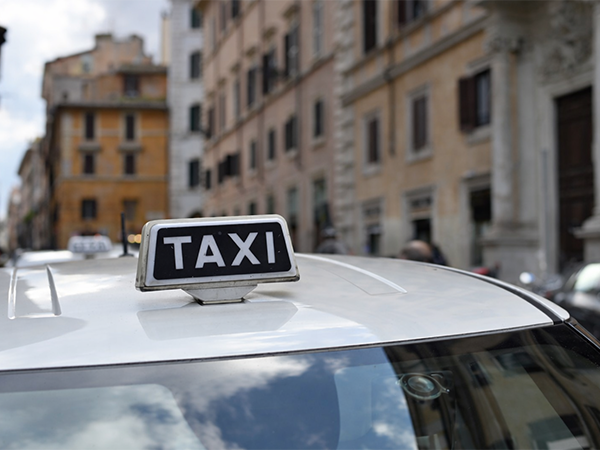
A taxi from Casal Bernocchi to the historic center costs roughly €20-30 depending on the exact destination and time of day. For a family of four or a group of friends splitting the fare, the difference compared to metro tickets becomes minimal.
It is worth considering a taxi in these cases:
- You are arriving late at night and the metro has closed
- You have heavy luggage and do not want to drag it up and down stairs
- You are traveling with young children or people with mobility issues
- You need to reach a specific area that is poorly served by public transport
Apps like Free Now, Uber, or IT Taxi let you book a ride and know the price in advance, eliminating the risk of unpleasant surprises.
Car sharing and electric scooters
Rome offers several shared mobility options. In the more central areas you will find electric scooters, bicycles, and scooters from various operators. Casal Bernocchi, being more on the outskirts, has limited availability of these vehicles, but you can use them for getting around once you have arrived in the center.
Electric scooters in particular are convenient for moving quickly between nearby attractions without depending on public transport. Many tourists use them to get around the Colosseum-Roman Forum-Circo Massimo area or to reach the Gianicolo from Trastevere.
The MiTuCasa transport service: a convenient alternative
If you are staying in a MiTuCasa vacation rental, you have access to a private transport service at rates much more competitive than standard taxis. The cost is just €25 per trip plus €1 per kilometer (updated prices on this page), a solution that is particularly advantageous for:
- Airport arrivals: after a long flight with heavy luggage, the MiTuCasa service takes you directly home without stress. From Fiumicino to Casal Bernocchi, the total cost is around €45-50, a reasonable amount split among several people.
- Early morning departures: do you need to catch a flight at dawn? The MiTuCasa service picks you up at any hour, eliminating the problem of a closed metro or infrequent night buses.
- Evenings out: you have had dinner in Trastevere and the metro has closed? A ride from the center to Casal Bernocchi costs about €35-40, decidedly less than a regular taxi and with the guarantee of a transparent price agreed in advance.
- Day trips outside Rome: do you want to visit Ostia Antica, the Castelli Romani, or Tivoli? The service takes you there and picks you up, turning the excursion into a comfortable experience with no logistical worries.
To book the service simply inform the manager of the vacation rental where you are staying, specifying the date, time, and destination in advance. The transparent fare lets you calculate exactly what you will spend, with no surprises at payment time.
Tickets and passes: which one is really worth it
Understanding the ATAC fare system avoids wasting money and time at ticket machines.
The single BIT ticket
It costs €1.50 and is valid for 100 minutes from the moment of validation. You can use it on the metro, bus, and tram with unlimited transfers, as long as you do not exceed 100 minutes and do not exit and re-enter the metro (that counts as two journeys).
For a round trip between Casal Bernocchi and the center on the same day you need two tickets, so €3 in total. If you make this journey on multiple consecutive days, more convenient options exist.
The BIG daily ticket
€7 for unlimited travel on the entire ATAC network until 11:59 PM on the day of validation. It pays off from the third journey in a day. If you plan to visit several areas of the city within the same day, the BIG frees you from the worry of buying tickets and lets you board and alight from any vehicle without a second thought.
Weekly passes and Roma Pass
The weekly pass costs €24 and is valid for 7 consecutive days from the moment of first validation. For stays of a week or more it becomes the automatic choice: you pay the equivalent of three and a half days with the BIG and you are covered for an entire week.
The Roma Pass, in its various versions (48 or 72 hours), includes unlimited public transport plus free or discounted entry to museums and archaeological sites. It costs more but can be worthwhile if your program includes many paid visits. Evaluate it based on your specific itinerary.
Where to buy tickets
Newsstands, tobacconists, and bars displaying the ATAC sign sell all types of tickets. At metro stations you will find automatic machines that accept cash and cards. A practical tip: always buy a few extra tickets to keep in reserve. The machines do not always work and finding yourself without a ticket with the metro arriving is frustrating.
Strategies for optimizing your travel
A little planning turns the transport system from a potential obstacle into a trusted ally.
Group your visits by area
Rome is enormous and constantly moving from one end of the city to the other wastes time and energy. Dedicate each day to a specific geographic area:
A useful approach by day:
- Day 1: Colosseum, Imperial Forums, Palatine Hill, Circo Massimo. All on foot once you get off at the Colosseo metro stop.
- Day 2: Vatican, Vatican Museums, Castel Sant'Angelo, Prati. Get off at Ottaviano on Metro A (transfer at Termini from Metro B).
- Day 3: Historic pedestrian center. Pantheon, Piazza Navona, Trevi Fountain, Piazza di Spagna. Get off at Spagna or Barberini on Metro A.
This approach minimizes metro travel and maximizes the time actually spent visiting places rather than sitting on trains and buses.
Use apps for real-time transport information
Google Maps works very well in Rome and calculates routes combining metro, bus, and walking. It tells you when the next bus departs and alerts you to delays or interruptions.
The official ATAC app (Roma Mobilità) provides updated information on all lines, strike notices, and planned interruptions. Moovit is another valid alternative used by many Romans.
Leave early in the morning
Rome's public transport fills up during rush hours (7:30-9:30 AM and 5:00-7:30 PM) when workers and students are commuting. If you leave Casal Bernocchi at 8:00 AM, you arrive at the Colosseum before 9:00 AM, avoiding both the crush on the metro and the queues at monument entrances.
The morning light in Rome produces extraordinary photographs and the atmosphere is completely different from the tourist-packed afternoons.
How much total time should you allow
The question everyone asks: how long does it actually take from my front door to the attraction I want to visit?
Realistic door-to-door calculation
Take the Colosseum as an example, the most popular destination:
- Walk from the apartment to the bus stop: 5 minutes
- Wait and bus journey to Laurentina: 12 minutes
- Walking down, entering the metro: 3 minutes
- Waiting for the metro: 5 minutes average
- Journey Laurentina-Colosseo: 28 minutes
- Exiting the metro and arriving at the entrance: 5 minutes
Total: about 55-60 minutes door to door. With a little experience and luck with the schedules, you can bring it down to 45 minutes. In the worst cases (metro breakdown, delayed bus, rush hour) it can reach 75 minutes.
Compare this with accommodation in the center: you pay double or triple to save these 45-60 minutes. It is your call whether the financial saving is worth this extra time.
The hidden travel time of the historic center The travel time people forget about in the historic center
One aspect many people do not consider: even staying in the very heart of the historic center, you are rarely five minutes on foot from everything. Rome is large and distances deceive. From the Pantheon to the Colosseum it is 2.5 kilometers, about 30 minutes on foot. From the Vatican to Piazza di Spagna another 3 kilometers.
So by staying in the center you will save time for one or two nearby attractions, but for everything else you will still need to get around. The difference with Casal Bernocchi becomes less dramatic than it appears on paper.
Getting to alternative destinations
There is more to Rome than the monumental center. The city offers much else and Casal Bernocchi is well positioned for some lesser-known destinations.
Toward EUR and the coast
The EUR district is just a few kilometers from Casal Bernocchi. By car or specific bus you can get there in 15-20 minutes. The Fascist rationalist architecture, the Palazzo della Civilta (the Square Colosseum), and the less crowded museums are worth half a day.
Continuing in the same direction you reach Ostia and the Roman coast. In summer you can alternate cultural visits with half-days at the beach without disrupting your logistics.
Toward the Castelli Romani
Frascati, Castel Gandolfo, Ariccia, and the other hilltop towns of the Alban Hills are located to the southeast of Rome. Departing from Casal Bernocchi you are already heading in the right direction. By car it takes 30-40 minutes, by public transport a bit longer but entirely doable.
These day trips offer a picture of Rome the region beyond Rome the city. Vineyards, forests, volcanic lakes, medieval villages, porchetta, and Castelli wines: an experience that complements the Imperial Forums.
Final tips for getting around like a Roman
After months of using Rome's public transport, a few tricks emerge on their own.
Always, always, always validate your ticket
Fines for traveling without a ticket are steep (up to €50 plus the cost of the ticket) and inspections, while irregular, do happen. Inspectors board especially at central metro stops and accept no excuses.
Watch out for strikes
Rome's public transport goes on strike with a certain frequency. Strikes are announced at least 5 days in advance and respect protected time windows (usually until 8:30 AM and from 5:00 PM to 8:00 PM services run).
Check the ATAC website or local news if you have important bookings. In the event of a strike you can rely on taxis or private hire cars as a backup plan.
Keep an eye on your bag
As in all major tourist cities, the Rome metro attracts pickpockets. Always keep your backpack in front of you during metro journeys, especially in crowded cars. Wallet and phone should be in inner pockets or at least never easily accessible.
Do not let it stress you out
Romans live with this transport system every day. If it works for them, it will work for you. A delayed bus or a crowded metro are part of the experience, not emergencies. Take a breath, wait a few minutes - the next one always comes.