Switching Off
Two Hours of Pure Relaxation at Villa Pamphilj
When the frenzy of the city becomes too intense and you feel the need to slow down, Villa Doria Pamphilj becomes the perfect refuge to reconnect with yourself. Two hours of walking in this extraordinary park are enough to recharge your batteries and restore your inner balance, leaving stress and daily worries behind.
The First Step into the Green
Stepping through one of Villa Pamphilj's entrances is like passing through a portal into another dimension. The contrast is immediate and striking: on one side the urban chaos with horns, scooters and agitated voices, on the other a world made of silence, greenery and tranquility. Just a few meters inside the park are enough to feel your shoulders relax on their own, your breathing becoming deeper and more regular, your mind beginning to empty itself of the useless thoughts that crowd it.
There is no need to have a pre-set itinerary or a destination to reach. The beauty of a relaxing walk lies precisely in the absence of objectives: you walk for the pure pleasure of walking, following instinct and the curiosity of the moment. A path that turns to the left catches your attention? You follow it. A shaded bench invites you to stop? You sit down without hurry.
The Senses Awaken
Walking slowly allows the senses that city life tends to dull to reawaken. The sense of smell is the first to benefit: the scent of freshly cut grass mingles with the intense fragrance of pines warmed by the sun, while in spring waves of floral fragrances arrive from rose bushes, blooming wisteria and jasmine climbing the old walls. Breathing deeply this air laden with natural essences has an almost therapeutic effect, like a spontaneous aromatherapy that calms the nerves and lifts the mood.
Hearing discovers a symphony completely different from the urban one. Birdsong alternates in ever-new melodies: the cheerful call of blackbirds, the rhythmic tapping of woodpeckers on trees, the chattering of magpies, the soft cooing of wood pigeons. When the wind blows, the branches of trees produce different sounds depending on the species: the delicate rustling of poplars, the deeper murmur of holm oaks, the almost metallic tinkling of eucalyptus leaves.
Losing Track of Time
One of the most pleasant sensations during a walk at Villa Pamphilj is the gradual dissolution of the perception of time. Without clocks to consult constantly, without appointments to keep, without rigid schedules to follow, you enter a dimension where only the present and your body moving through space exist. Ten minutes feel like an hour and an hour feels like a moment: the linear and pressured time of daily life transforms into a circular, natural time governed only by the rhythm of your own steps.
This temporal suspension favors a particular mental state, halfway between attentive wakefulness and meditation. The mind wanders freely without clinging to specific thoughts, allowing pleasant memories, spontaneous reflections and creative intuitions to surface - things that during the daily routine remain buried under the pressure of urgencies. Many people find that their best ideas and solutions to the most stubborn problems arrive precisely during these purposeless walks, when the brain is relaxed and free to make unexpected connections.
The Corners of Serenity
Each area of the park offers a different type of relaxation. The pine forest, with its dense shade and soft carpet of fallen needles, gives a feeling of freshness and protection that recalls ancient forests. Walking beneath the tall and majestic pines, with rays of sunlight filtering through and creating dancing patches of light on the ground, has something ancestral about it that speaks directly to the deepest part of us.
The open meadows, on the other hand, invite you to lie on your back and watch the clouds passing slowly across the blue sky. It is an activity that as children we all did naturally and that as adults we have forgotten, but which retains its regenerative power intact. Observing the changing shapes of the clouds, trying to recognize familiar figures in them, letting yourself be hypnotized by their slow and inexorable movement, is a form of spontaneous meditation that lightens the mind and brings you back to a dimension of lost simplicity.
The small lakes represent another pole of attraction for those seeking quiet. Water has always had a calming effect on the human psyche, and even just sitting on a bench in front of a tranquil stretch of water produces immediate benefits. Watching the concentric circles that form when a fish jumps, following the low flight of dragonflies with your eyes, contemplating the trembling reflection of trees on the surface: these are all activities that slow the inner rhythm and induce a state of deep peace.
The Movement That Heals
Walking is one of the most underrated yet most effective forms of physical exercise. Two hours of leisurely walking allow you to cover several kilometers without tiring yourself, gently activating blood circulation, oxygenating tissues and stimulating metabolism. Unlike running or other more intense sports, walking produces no physical stress but only benefits: joints that lubricate themselves, muscles that tone gradually, a cardiovascular system that strengthens without excessive effort.
But the benefits go far beyond the purely physical level. Numerous scientific studies have shown that walking in nature significantly reduces cortisol levels, the stress hormone, while increasing the production of endorphins, the neurotransmitters of well-being. After a two-hour walk in a green environment like Villa Pamphilj, it is common to experience a light and natural sense of euphoria, accompanied by a deep feeling of fulfillment that lasts for hours.
Encountering Wildlife
Part of the pleasure of walking at Villa Pamphilj comes from unexpected encounters with its inhabitants. Watching a squirrel leap nimbly from branch to branch, surprising a hedgehog crossing the path undisturbed at dusk, witnessing the courtship dance of two butterflies, discovering a family of ducks swimming in single file in the pond: these are small natural spectacles that fill the heart with simple, authentic joy.
These moments of connection with the animal world have a particular power. They remind us that we exist within a complex and wonderful ecosystem, that life pulses around us in a thousand different forms, that we are not alone but part of a web of relationships that sustains us. This expanded awareness produces a sense of belonging that effectively counters the feeling of isolation and alienation typical of modern urban life.
The Ritual of the Return
When, after two full hours, the moment to leave the park approaches, there is almost always a moment of resistance. You do not want to return to the ordinary world, you wish to prolong that feeling of lightness and freedom just a little longer. But this very desire is a positive signal: it means the experience has been regenerating, that something inside us has been repaired and renewed.
Leaving the park you carry with you something precious that goes beyond simple physical exercise or a break from routine. You carry a reserve of inner calm that will be drawn upon in difficult moments, a memory of beauty that will illuminate gray days, a renewed certainty that there is always a place to take refuge when the world becomes too noisy and oppressive.
An Appointment with Yourself
For those fortunate enough to stay near Villa Pamphilj, this walk can become a daily ritual, a fixed appointment with yourself that marks the days with a healthy rhythm. There is something deeply therapeutic about knowing that every day, whenever you feel the need, that green oasis is there waiting, ready to welcome and restore.
The weather does not matter: even in light rain, when the park empties and becomes even more intimate and secretive, the walk gives unique emotions. The drops drumming on the leaves, the intense smell of wet earth, the particular light that filters through the clouds, transform the experience into something almost magical.
Two hours at Villa Pamphilj are not just a break from vacation or daily life: they are an investment in your own physical and mental well-being, a concrete way of taking care of yourself that requires no expensive equipment or special skills. All you need is the willingness to slow down, the curiosity to explore and the openness to be surprised by the simple beauty of nature that survives and thrives even in the heart of a great metropolis.
Frequently Asked Questions
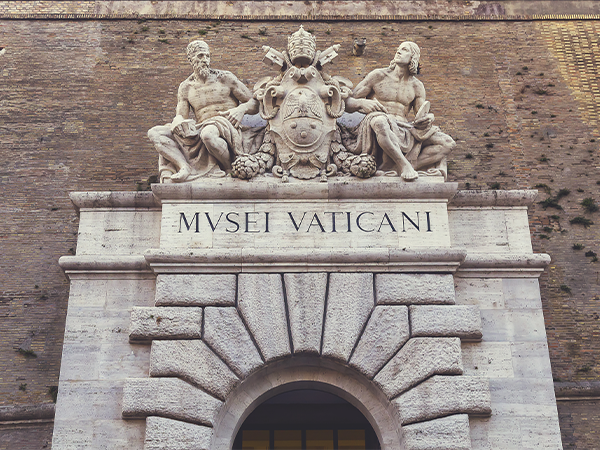
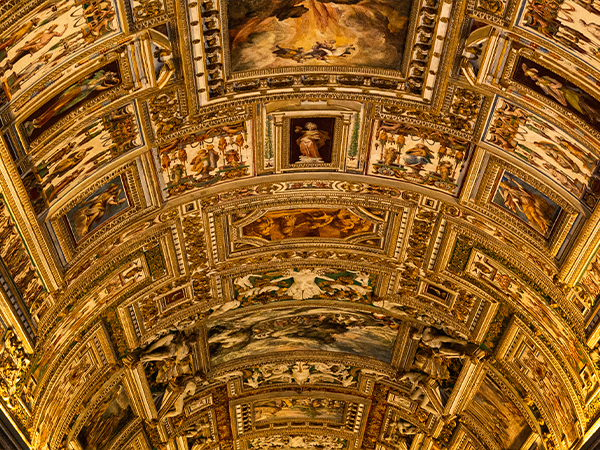
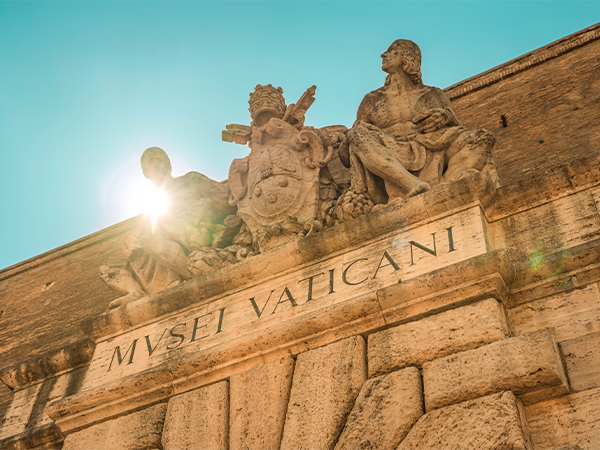
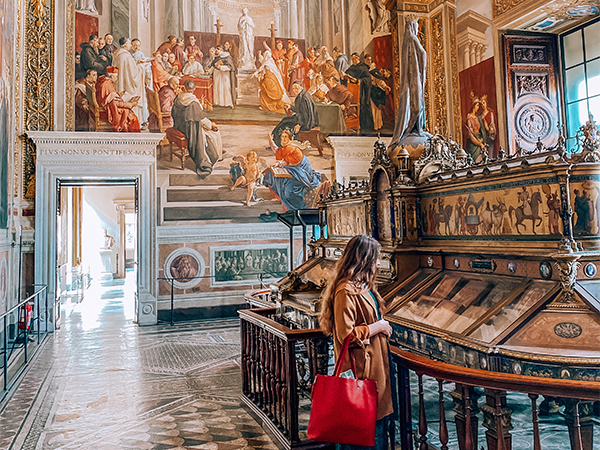
The Vatican Museums are the museum complex of the Holy See and house one of the most important art collections in the world, the result of centuries of history, papal patronage and acquisitions. They are famous in particular for the Sistine Chapel and Raphael's Rooms, but also for the museums dedicated to archaeology, ancient art and modern and contemporary collections.
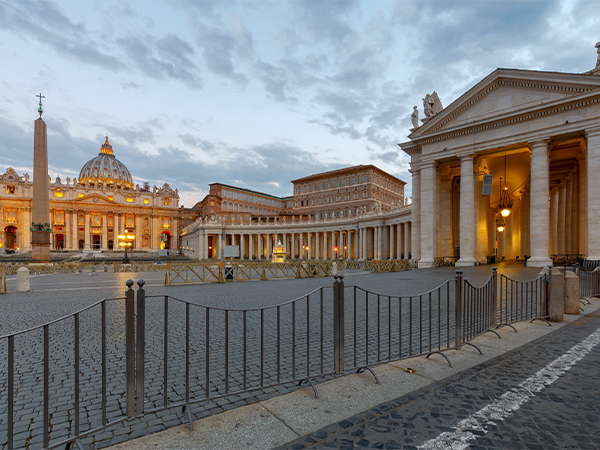
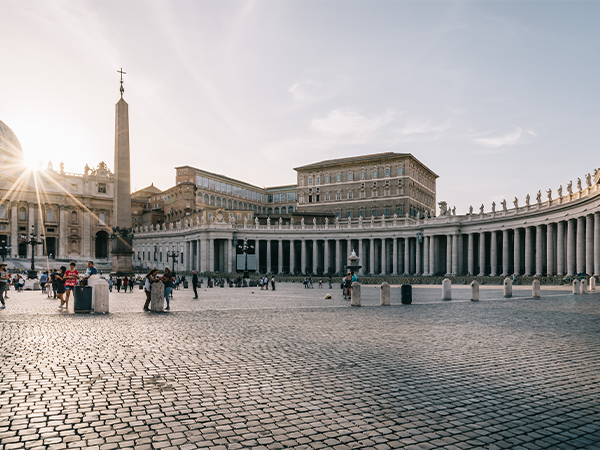
The Vatican Museums are located at Viale Vaticano, 00120 Vatican City, on the north side of St. Peter's Basilica. They can be easily reached by metro line A, getting off at the Ottaviano or Cipro stops, or by several bus lines serving the Prati and Vatican area.
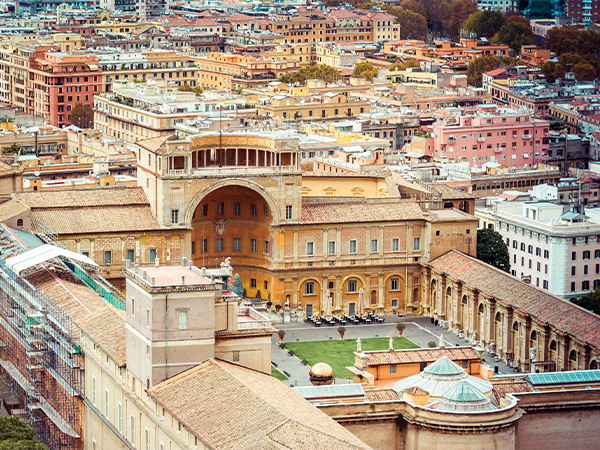
Among the must-see attractions are the Gregorian Egyptian Museum, the Pio-Clementine Museum with classical sculptures, Raphael's Rooms, the Gallery of Maps, the Courtyard of the Pinecone and of course the Sistine Chapel. Depending on the time available, it is useful to select in advance the areas you wish to explore in depth.
A standard visit to the Vatican Museums, including the Sistine Chapel, takes an average of three to four hours, but art lovers can spend much longer inside the complex. Online booking of tickets with an entry time slot is strongly recommended to reduce waiting times and better manage visitor flow.
The opening hours of the Vatican Museums vary depending on the time of year, but the complex is generally open Monday through Saturday with Sunday closures, except on certain special days; it is essential to check the official website for updates. It is advisable to wear attire appropriate for places of worship, bring comfortable shoes, and during peak season choose less crowded hours such as early morning or late afternoon.