
Entertainment

Rome Open-Air Cinemas

Rome - squares, parks, and neighborhoods across the city (Estate Romana)

Movies Under the Stars: How Rome's Summer Arenas Create Pure Magic

Rome's open-air cinemas (Arene di Roma) are one of the most beloved and eagerly awaited events of the Roman summer - a cultural phenomenon that for decades has transformed squares, parks, historic gardens, and public spaces into open-air movie theaters. Every year from June to September, the city fills with glowing screens projecting films for thousands of spectators eager to experience the unique pleasure of watching movies under Rome's star-filled sky, surrounded by monumental beauty and the magical atmosphere of Roman summer evenings.

A Widespread Cultural Heritage

Rome's open-air cinemas are not a single event but a varied collection of more than fifty film initiatives that animate the entire city during the summer months. This multitude of arenas is part of the Estate Romana program, the cultural calendar promoted by Rome's Department of Culture, which coordinates and supports hundreds of events distributed across all fifteen of the city's districts, from the historic center to the most distant outskirts.

Roman outdoor cinemas have deep roots, grounded in the popular tradition of parish cinema and open-air film clubs that characterized Italian summers in the 1960s and 70s. Over the decades this practice evolved and became institutionalized, growing into a defining element of Rome's summer cultural identity. Today these arenas represent a perfect balance between accessible popular entertainment and the promotion of quality film culture, offering programs ranging from major commercial releases to art-house films, from restored classic masterpieces to debut features by young directors.

Organizing these arenas involves a wide range of players: local cultural associations that win public tenders issued by Roma Capitale, institutions such as the Fondazione Cinema per Roma and Zetema Progetto Cultura, historic cinemas that extend their programming outdoors during the summer, foreign cultural institutes that open their gardens to the public, and independent associations that have made free screenings their cultural and social mission.

Programming and Variety

Rome's open-air cinemas offer an extraordinarily rich and diverse program capable of satisfying every type of audience. Each arena develops its own identity and editorial focus, creating a mosaic of offerings that collectively spans the entire spectrum of world cinema.

Some arenas specialize in films from the recently concluded season, allowing those who missed winter releases to catch up on the most important titles. Others focus on great classics of Italian and international cinema, presenting themed retrospectives dedicated to specific directors, genres, or historical periods. There are also arenas that prioritize art-house cinema and works awarded at major international festivals such as Cannes, Venice, Berlin, and Sundance, giving Roman audiences the chance to see films that would rarely reach mainstream commercial theaters.

Many arenas enrich their screenings with special guests: directors, actors, screenwriters, producers, and film critics who introduce the films, answer audience questions, and share behind-the-scenes anecdotes. These close encounters transform a simple film screening into a complete cultural event, where audiences can deepen their understanding of a work and interact directly with the key figures of Italian and international cinema.

Some arenas organize overnight film marathons with consecutive screenings running until dawn, or events dedicated to specific film franchises, cult directors, or particular themes. Others offer special events such as live concerts before screenings, theatrical performances inspired by the films being shown, or themed evenings inviting the audience to dress according to the film.

From the Center to the Outskirts: Every Corner of the City

One of the most fascinating characteristics of Rome's open-air cinemas is the extraordinary variety of locations that host screenings. Summer cinema in Rome takes over every type of urban space, temporarily transforming it into a movie theater and recreating the sense of community and togetherness that neighborhood cinemas of the past once provided.

In the heart of the historic center, Piazza Vittorio Emanuele II hosts one of the most popular and well-attended arenas every summer, where hundreds of people gather each evening on folding chairs or directly on the ground, creating an informal and convivial atmosphere. Piazza San Cosimato in Trastevere becomes the stage for free screenings organized by the Fondazione Piccolo America, which has become a symbol of cultural resistance and citizens' reclaiming of public spaces.

The city's historic parks transform into garden cinemas: Villa Borghese hosts the Casa del Cinema arena at the Teatro Ettore Scola, a green space in Rome's most beloved park; Parco degli Acquedotti welcomes Roma Cinema Arena, one of the largest arenas with nearly a thousand seats, where ancient Roman aqueducts form a monumental backdrop to the screenings; Villa Lazzaroni in the Seventh District becomes home to a summer Cinevillage with over six hundred seats and a program spanning more than seventy evenings.

Rome's outskirts also take center stage through the Viva il Cinema project, funded by the PNRR, which brings free quality cinema to neighborhoods such as Tor Bella Monaca, Corviale, and Santa Maria della Pieta, turning outdoor cinemas into tools for social inclusion and urban regeneration. These initiatives demonstrate how cinema can become a powerful instrument for community cohesion and the revitalization of often marginalized areas.

Even unusual locations are used: the Idroscalo di Ostia hosts the Punta Sacra Film Fest, bringing cinema to Rome's coast; the gardens of foreign cultural institutes such as the Accademia Tedesca Villa Massimo, the Goethe-Institut, and Villa Medici open their usually private spaces to the public; neighborhood parks, cloisters, courtyard gardens, and even rooftops are temporarily transformed into outdoor cinemas, demonstrating the creativity and reach of the phenomenon.

Accessibility and Free Admission: Cinema for Everyone

A defining feature of most of Rome's open-air cinemas is that admission is free or extremely affordable. The vast majority offer completely free screenings, open to anyone on a first-come, first-served basis with no reservation required. This cultural policy makes Rome's summer cinema a democratic and inclusive phenomenon where quality film culture becomes accessible to all, regardless of economic circumstances.

Even arenas that do charge admission keep their prices very low, generally between three and seven euros - negligible compared to the cost of a standard movie theater ticket. Some circuits offer seasonal passes allowing visitors to see dozens of films for the price of a few individual tickets, encouraging regular attendance and audience loyalty.

This economic accessibility is matched by physical and logistical accessibility: the arenas are distributed throughout the city and reachable by public transit, screening start times are calibrated to audience needs accounting for commute times from work, and many locations offer food and beverage services at affordable prices so visitors can dine on-site before the show.

Social and Community Dimension

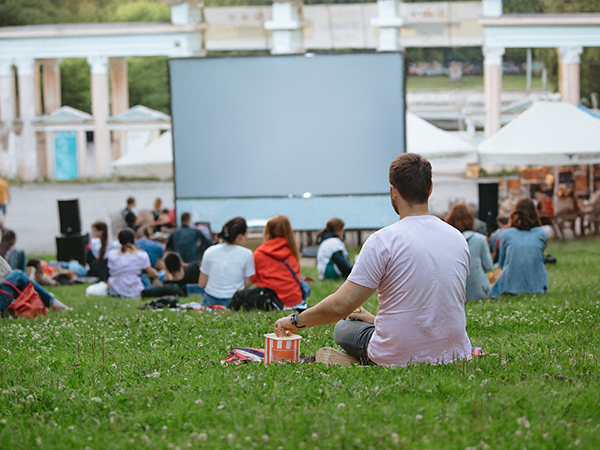
Rome's open-air cinemas are not simply places where films are projected - they are genuine spaces for social gathering where the sense of community that traditional movie theaters have largely lost is recreated. Arriving early to secure a good spot, spreading out a blanket or setting up a folding chair, chatting with neighbors while waiting for the film to start, sharing impressions during the intermission or after the screening: all of this creates social bonds and strengthens the community fabric of neighborhoods.

Many families make the arenas a regular fixture of their summer routine, bringing children to discover the pleasure of shared cinema in an open and informal space, far less intimidating than a traditional theater. Young people find in the arenas alternative meeting places away from commercial venues, where socializing happens around meaningful cultural experiences. Older visitors rediscover the neighborhood cinema pleasure they enjoyed in their youth, in an atmosphere that awakens nostalgia and memories.

Some arenas organize side activities that amplify this community dimension: craft markets, photography exhibitions, creative workshops for children, themed discussions, and live concerts before screenings. These events transform the arenas into genuine temporary cultural villages, where cinema becomes the catalyst for broader and richer experiences.

The Unique Experience of Cinema Under the Stars

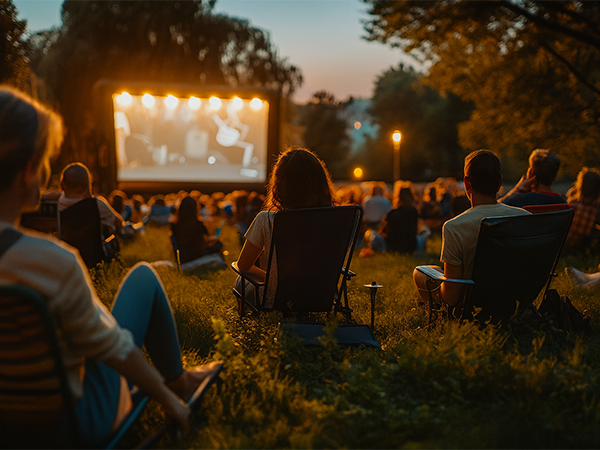
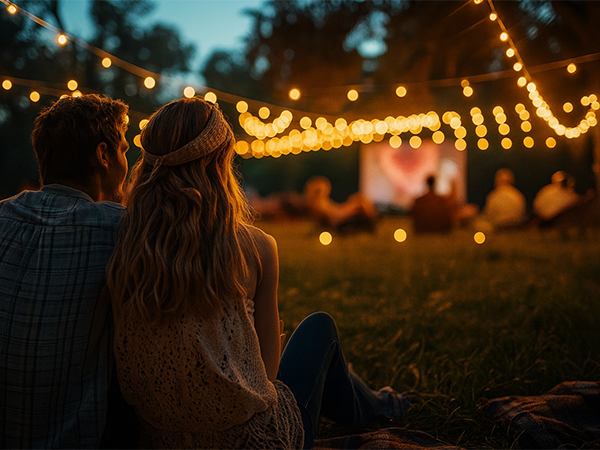
Watching a film at a Roman summer arena is a sensory and emotional experience that goes far beyond simply viewing a movie. It means enjoying the cool evening air after the heat of the day, feeling the evening breeze on your skin while immersed in the story, watching stars appear progressively in the sky above the screen creating a natural frame around the fiction on screen.

The atmosphere of the arenas is unique: the murmur of the audience settling in before the start, the respectful silence that falls when the opening titles roll, the collective laughter during comic scenes, the synchronized sighs in emotional moments, the spontaneous applause at the end of a particularly powerful scene or at the film's conclusion. This collective dimension of the cinematic experience, now rare in traditional theaters where audiences tend to remain isolated, fully manifests in the arenas, creating moments of genuine emotional communion among hundreds of strangers.

The natural and architectural scenery that forms the backdrop to screenings adds a further layer of magic: watching a film with the illuminated mass of the Colosseum behind you, under the arches of Roman aqueducts, in the green of a historic villa, or in a Baroque square means placing the cinematic experience in a context of beauty that amplifies emotions and makes every evening memorable.

Cinema for New Generations

Within the landscape of Rome's open-air cinemas there is no shortage of programs specifically dedicated to children, teenagers, and younger generations. Many arenas include evenings designed for younger audiences, featuring animated films, family comedies, classic children's cinema, and titles selected to stimulate imagination and curiosity.

Some initiatives are developed in collaboration with schools, cultural associations, and educational institutions, with screenings introduced by educators, film critics, or filmmakers who help younger audiences develop a conscious understanding of moving images. This work in film literacy helps form future attentive and passionate audiences, strengthening the bond between new generations and cinema culture.

Sustainability and Environmental Awareness

Many Roman arenas have developed a growing commitment to environmental issues over the years, implementing sustainable practices in event organization. The use of compostable or reusable cups and tableware, careful waste sorting, low-energy lighting, and encouraging the use of public transit to reach venues are all increasingly common practices.

Some arenas organize themed programs dedicated to environmental cinema and climate change documentaries, using the communicative power of film to raise public awareness on ecological issues. This commitment to sustainability reflects a growing awareness of the role cultural events can and must play in the transition toward more environmentally responsible ways of living.

A Heritage Worth Preserving and Celebrating

Rome's open-air cinemas represent an intangible cultural heritage of the city that deserves to be preserved, supported, and celebrated. In an era dominated by streaming platforms and individual content consumption, the arenas remind us that cinema was born as a collective experience, as a social ritual that brings people together around the sharing of stories and emotions.

The decades-long success of this phenomenon, the participation of thousands of Romans and tourists every summer, the ability to survive even through difficult periods like the pandemic, all demonstrate the vitality and social importance of the arenas. They are spaces of cultural democracy where the right to culture is realized concretely through free or minimal-cost access, where neighborhoods reclaim public spaces and temporarily transform them into places of beauty and sharing, where different generations meet around a shared passion for cinema.

Rome's open-air cinemas are far more than simple outdoor screenings: they are a way of living summer in the capital, an experience that defines contemporary Roman cultural identity, a phenomenon that demonstrates how culture can be simultaneously popular and high-quality, accessible and meaningful, traditional and innovative. Every summer, when the first screens light up in the city's squares and parks, Rome reaffirms its millennial vocation as a place where art, daily life, and urban space merge to create unforgettable experiences.
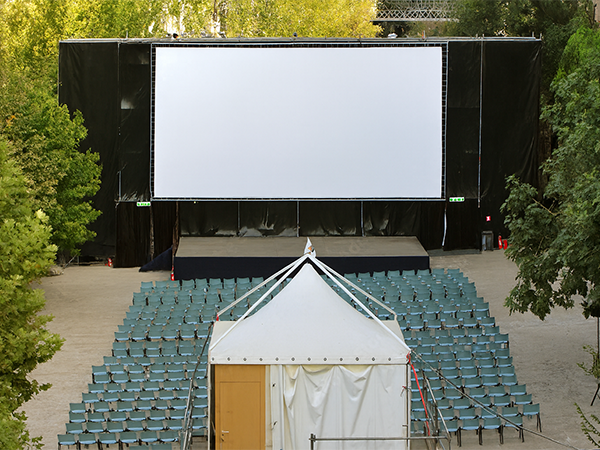
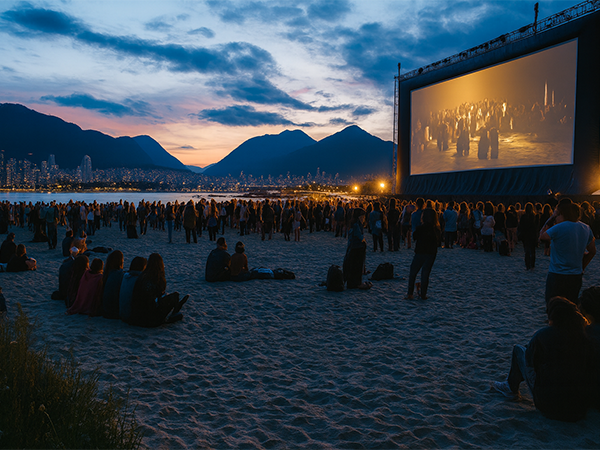
Photo Gallery

No offers available at the moment
No Offers
Find out about all the Rome open-air cinema locations

Ten Reasons to Experience Rome's Summer Cinema Scene

Why you should attend the Arene di Roma

Rome's summer offers countless leisure and entertainment options, from panoramic terraces to nightclubs, from discos to dinners at characterful restaurants. Yet Rome's open-air cinemas represent a unique experience that combines culture, sociality, urban beauty, and a magical atmosphere in a way that no other activity can match. Here are ten compelling reasons to add the outdoor cinemas to your summer agenda.

Free or Near-Free in an Era of Expensive Entertainment

The first and most immediate advantage of Rome's open-air cinemas is their total or near-total economic accessibility. At a time when a standard cinema ticket costs between ten and fifteen euros, a restaurant dinner can easily exceed fifty euros per person, and a night out in a central venue requires a considerable budget, the arenas offer quality entertainment that is completely free or costs a symbolic three to seven euros.

This democratization of film culture allows families on tight budgets, students, retirees, young workers in precarious employment, and anyone going through financial difficulties to access meaningful cultural experiences without sacrifice. The ability to spend a pleasant and culturally enriching evening at virtually no cost is a valuable opportunity worth embracing.

For families with children, the arenas are an economically sustainable alternative to theme parks, commercial cinemas, and other paid entertainment. Taking the whole family to watch a film under the stars involves no anxiety over a steep final bill, allowing everyone to enjoy the experience in full without financial worries.

A Unique and Unrepeatable Sensory Experience

Watching a film at a Roman summer arena is a multisensory experience entirely different from viewing in a traditional movie theater or, even more so, from watching content on the couch at home. The combination of elements that characterizes the arenas creates an experiential dimension that engages all the senses and leaves lasting memories.

The cool evening air that progressively replaces the daytime heat creates ideal climatic conditions for enjoying the screening without the discomfort of artificial air conditioning. The evening breeze on your skin, the scents of surrounding vegetation in parks and historic gardens, the sounds of the city fading as the screening begins compose a sensory symphony that enormously enriches the cinematic experience.

Watching stars appear progressively in the sky above the screen, observing the moon moving slowly as the film unfolds, hearing the nocturnal song of birds or the rustling of leaves adds a poetic dimension that no indoor venue can offer. This connection with natural elements and with circadian rhythms transforms the viewing experience into something more complete and immersive.

Extraordinary Locations That Amplify the Magic of Cinema

Rome offers natural and architectural scenery of incomparable beauty, and the arenas make masterful use of this heritage, transforming monuments, historic parks, and Baroque squares into extraordinary outdoor theaters. Watching a film with illuminated Roman aqueducts behind you, seated on the grass at Parco degli Acquedotti, creates a layered visual experience where classical antiquity and modern cinema engage in dialogue.

Attending a screening at Piazza San Cosimato in Trastevere means immersing yourself in the atmosphere of Rome's most characterful neighborhood, with its ochre facades, uneven cobblestones, and the lively energy of a popular quarter. Watching a film in the gardens of Villa Borghese lets you enjoy the lush greenery of Rome's most beloved park, in a setting of tranquility and natural beauty that is difficult to replicate.

This integration of cinema and urban heritage transforms each evening into a doubly cultural experience, where the film screening combines with the discovery or rediscovery of corners of the city, creating a synergy that enriches both dimensions. For tourists visiting Rome in summer, attending an arena means experiencing the city authentically, away from standardized tourist circuits, sharing a space with locals, and breathing the genuine atmosphere of city life.

Social Dimension and Sense of Community

In an era characterized by digital isolation, growing individualism, and social fragmentation, the arenas recreate the community dimension and sense of togetherness that is increasingly missing from contemporary urban life. Arriving early to secure a good spot, spreading out a blanket or folding chair, exchanging a few words with neighbors, sharing laughter during comic scenes and spontaneous applause at the film's end creates temporary but meaningful social bonds.

This collective experience of cinema recalls the original function of movie theaters as neighborhood gathering and socializing places, a function that anonymous multiplex cinemas have largely abandoned. In the arenas, that sense of temporary community is recreated where strangers become fellow viewers, united by a shared passion for film and the experience of occupying the same space.

For those who live alone, for seniors at risk of isolation, for newcomers to the city trying to build social connections, the arenas represent valuable opportunities for human contact and integration into community dynamics. The regularity of the events allows regular visitors to meet, develop acquaintances, and feel part of a community of enthusiasts who share similar tastes and interests.

Rich and Diverse Programming for Every Taste

With more than fifty arenas active simultaneously during the summer months, Rome offers a variety of film programming that is practically inexhaustible. Every evening it is possible to choose from dozens of different offerings: recently released blockbusters, restored masterpieces of classic Italian and international cinema, award-winning art-house films, themed documentaries, children's cinema, foreign films in their original language, and retrospectives dedicated to specific directors or genres.

This abundance of choice allows anyone to build their own personalized film journey, following their own passions and curiosities. Art-house cinema enthusiasts can focus on arenas specializing in Cannes or Venice award winners; families with children will find dedicated programs with animated films and comedies suitable for all ages; nostalgic cinephiles can rediscover the great classics of Italian neorealism or American golden-age cinema.

The ability to consult programs online and plan evenings based on what's showing - perhaps combining different arenas over the same period to maximize interesting viewings - transforms the Roman summer into a genuine distributed film festival lasting three full months.

Discovering or Rediscovering Rome's Neighborhoods

Attending arenas scattered across the city offers the perfect opportunity to explore neighborhoods and areas of Rome that would otherwise never be visited. Many arenas are located in peripheral or semi-peripheral areas that don't feature on standard tourist itineraries but which contain authentic and interesting atmospheres.

Reaching an arena in Tor Pignattara, Garbatella, Pigneto, or San Lorenzo means passing through working-class neighborhoods rich in history and character, discovering street art, local markets, traditional trattorias, and unexpected views. This cinema-motivated urban exploration transforms journeys into small urban adventures that deepen knowledge of the city.

For those who live in Rome but tend to frequent the same areas, the arenas provide an incentive to step outside their geographic comfort zone, to discover that every neighborhood has its own distinctive identity, its own characteristic spots, its own architectural quirks. This widespread reclaiming of urban space through film culture helps overcome territorial divisions and allows Rome to be experienced in its full totality and complexity.

Ideal Climate and Roman Summer Atmosphere

Roman summer evenings, especially from mid-June through September, offer near-perfect conditions for outdoor screenings. After the intense heat of the day, the temperature drops gradually, creating a pleasant coolness that makes it comfortable to sit outdoors for two hours. The near-total absence of rain during the summer months ensures that screenings take place regularly without weather interruptions.

This combination of favorable climatic conditions makes the arenas one of the most enjoyable ways to spend summer evenings, escaping the stifling heat of city apartments without air conditioning while also avoiding the artificiality of air-conditioned environments. The ability to enjoy the natural cool of evening air while immersed in a cinematic story is a simple but precious luxury.

The general atmosphere of the city during summer, with its slower pace, quieter streets in August, outdoor restaurant seating, and evening strolls along the Tiber, pairs perfectly with the relaxed and informal dimension of the arenas, contributing to that sense of vacation and suspended time that characterizes the Roman summer.

Diversity and Quality of Programming

With dozens of arenas active simultaneously during the summer months, Rome offers a variety of film programming that is practically inexhaustible. Anyone can build their own personalized path based on their tastes: lovers of European art-house cinema will find a very rich selection; fans of Hollywood blockbusters can revisit their favorite titles from the season; those curious about lesser-known cinemas will discover works from many different countries.

Many arenas organize themed series, cycles dedicated to great directors, tributes to historic figures of Italian and international cinema, and programs focused on documentary or animated film. This organization by themes and strands makes it easy to navigate the overall program and choose evenings that align with personal preferences.

The quality of the selections, curated by cultural associations, cinema operators, institutions, and festivals, means that even stumbling casually across an unknown film carries excellent odds of seeing a worthwhile work. The risk of disappointing screenings is reduced by the careful work of those who select and present the best titles for the summer big screen.

Meetings with Directors, Actors, and Film Professionals

Many arenas organize special evenings featuring directors, actors, screenwriters, and other film professionals who introduce screenings, take questions from the audience, and share behind-the-scenes stories about the making of the films. These opportunities for direct engagement with the key figures of Italian and international cinema add enormous value to the experience, transforming a simple film screening into a complete cultural event.

The chance to put questions directly to an established director, to hear an actor describe their approach to a character, to understand the artistic and technical choices behind a film allows audiences to deepen their understanding of cinematic language and develop a more conscious and critical engagement with it.

For film students, aspiring filmmakers, and enthusiasts who want to better understand the mechanisms of audiovisual production, these encounters represent valuable educational opportunities, accessible for free or nearly so, that elsewhere would require expensive courses or festival tickets at prohibitive prices.

An Exceptional Value for Money Cultural Investment

Considering the full range of what Rome's open-air cinemas offer - high-quality film screenings, meetings with cinema personalities, a festive atmosphere, and extraordinary urban and natural settings - the value for money is exceptional. For a few euros, or often at no cost, it is possible to access experiences that would cost far more elsewhere.

Even at ticketed arenas, the low admission price allows visitors to see numerous films over the summer without placing excessive strain on the family budget. For cinema lovers, following the arenas means turning the summer months into a distributed festival, with an enormous cultural and emotional return relative to the economic investment required.

For those visiting Rome from out of town, combining the arenas with a few days of sightseeing in the capital allows travel and accommodation costs to be offset while enjoying a complete cultural vacation. The financial investment transforms into lasting memories, cultural enrichment, exciting experiences, and - for those working in the sector - potential opportunities to connect with other film enthusiasts.

A Healthy Alternative to Indoor Entertainment

Spending summer evenings outdoors, rather than shut inside in front of the television or computer, is a healthy choice that promotes physical and mental wellbeing. Exposure to the fresh evening air, the opportunity to move and walk to reach the locations, and sitting under a starry sky rather than in artificially lit environments all contribute to better sleep quality and general mood.

For those who work all day in closed offices in front of computer screens, the arenas offer an opportunity to reconnect with the outside world, to watch a cinema screen with the eyes rather than a digital device display, to enjoy a shared space with real people rather than technology-mediated virtual interactions.

This dimension of physical and psychological wellbeing combines with the cultural pleasure of watching film, creating an experience that nourishes both mind - through artistic engagement - and body - through immersion in natural environments and real social interaction.

An Authentic Way to Experience Rome

Finally, attending Rome's open-air cinemas means experiencing the city the way Romans do, sharing an experience that is part of the local cultural identity, and taking part in a tradition that renews itself every summer across decades. For tourists visiting the capital, this represents a unique opportunity to go beyond guided tours and monuments, to sit alongside Roman families, and to breathe the authentic atmosphere of city life.

The arenas are not a packaged tourist product but a living and spontaneous cultural practice born from the needs and desires of citizens. Taking part means temporarily becoming part of this community, sharing a democratic space where tourists and residents, young and old, families and singles mix freely.

This authenticity of the experience - its non-commercial and non-standardized nature - makes it especially valuable in an era of mass tourism and increasingly homogenized experiences. The arenas remind us that the most meaningful experiences are often the simplest, where beauty arises from the spontaneous combination of elements - a film, a public space, a summer evening, people sharing - rather than from costly and artificial productions.

A Must-See Highlight of the Roman Summer

Rome's open-air cinemas are a cultural phenomenon that deserves to be experienced at least once, but which will very likely become a fixture of your summers once you discover it. The combination of economic accessibility, quality programming, beautiful locations, social dimension, authenticity of experience, and pleasant climate creates a package of value that is hard to match.

Whether you are a Rome resident looking for alternative ways to spend summer evenings, a tourist seeking authentic experiences away from standardized circuits, a family with children in search of affordable and culturally valuable entertainment, a passionate cinephile in search of quality programming, or simply a curious person open to new experiences, Rome's open-air cinemas have something special to offer.

All that remains is to check the programs, choose the screenings that interest you, pack a blanket or a folding chair, and let yourself be carried away by the magic of cinema under the stars in the most beautiful city in the world. The Roman summer awaits you with its glowing screens, its historic squares transformed into outdoor theaters, its nocturnal parks animated by stories coming to life beneath a starlit sky.

Frequently Asked Questions

The Arene di Roma are a collection of summer open-air cinemas that, from June to September, transform squares, parks, and neighborhoods across Rome into outdoor movie theaters. They are part of the Estate Romana program and offer free or low-cost screenings, classic films, art-house movies, and family titles across the city's various districts.

The Arene di Roma generally run from June through September, with programs covering the entire Roman summer. Exact dates and schedules for individual arenas are published each year on the Roma Capitale website and through the channels of the associations and organizers involved.

The Arene di Roma are spread across the entire city, from the historic center to the outskirts, in locations such as Piazza Vittorio, Piazza San Cosimato in Trastevere, Villa Borghese, Parco degli Acquedotti, Tor Bella Monaca, Ostia, and many others. Addresses and schedules can be found on the official Estate Romana portal, on organizers' websites, and in dedicated summer cinema calendars.

The majority of the Arene di Roma offer free screenings on a first-come, first-served basis, while others charge a nominal fee of a few euros, usually between three and seven euros. In some cases, season passes and discounted packages are available; pricing details are listed in each arena's individual program.

Yes, the Arene di Roma are designed for a very wide audience: families with children, young people, seniors, residents, and tourists. Many arenas offer films suitable for all ages, dedicated evenings for younger audiences, programs spread across different neighborhoods, and an informal, welcoming atmosphere that makes the experience accessible and enjoyable for anyone who wants to watch movies under the stars.