The Capital's Largest Historic Park
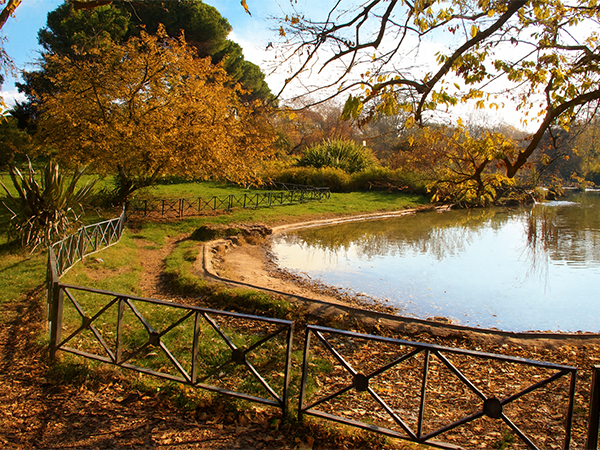
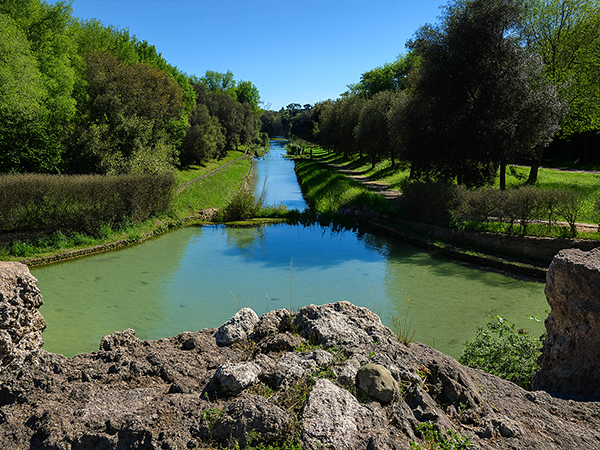
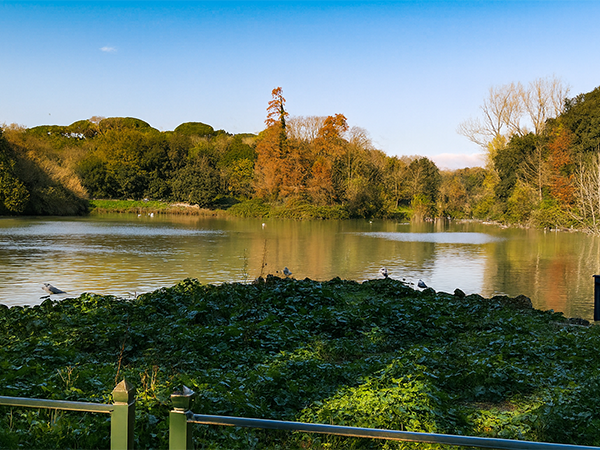
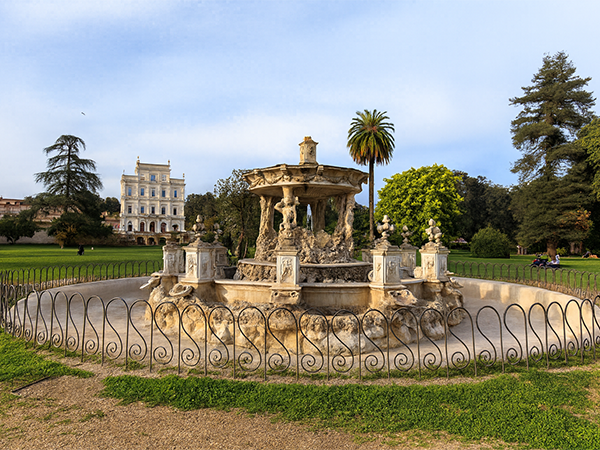
Villa Doria Pamphilj is Rome's largest public park, with its extraordinary one hundred and eighty-four hectares of grounds, a remarkable green oasis that combines history, nature and art in a landscape setting of incomparable beauty. Located on the western side of the Janiculum Hill, just outside the ancient Aurelian Walls, this magnificent historic villa is a perfect destination for those seeking refuge from the frenzy of the city without straying far from the center. Choosing a vacation home near Villa Pamphilj means having immediate access to one of Rome's most precious treasures, a place where lush nature blends harmoniously with historic and architectural landmarks spanning the centuries. The park offers kilometers of tree-lined avenues, secret gardens, baroque fountains, romantic ponds and wide open spaces to relax, jog, cycle or simply enjoy the Roman sun far from the urban chaos.
The History of an Aristocratic Villa
The history of Villa Doria Pamphilj has its roots in the seventeenth century, when the powerful Pamphilj family transformed what had been a modest agricultural estate into a sumptuous country residence befitting their prestige. The turning point came in 1644, when Cardinal Giovanni Battista Pamphilj was elected pope under the name Innocent X. During his pontificate, which lasted until 1655, the villa underwent its greatest expansion and transformation, becoming one of the most magnificent noble residences in the Roman countryside. To carry out this ambitious project, the Pamphilj family called upon some of the greatest artists of the baroque era: the sculptor Alessandro Algardi, the painter and architect Giovanni Francesco Grimaldi, and even the legendary Gian Lorenzo Bernini contributed to the design and decoration of the villa and its gardens. The result was an extraordinary architectural complex that combined the formal rigor of Italian-style gardens with more naturalistic elements, creating a perfect balance between controlled nature and spontaneous landscape. In 1856, Prince Filippo Andrea V Doria Pamphilj further expanded the property by purchasing the neighboring Villa Corsini at Porta San Pancrazio, virtually doubling the size of the complex and transforming it into a modern agricultural estate equipped with the most advanced technologies of the era. This phase saw the construction of numerous functional buildings, greenhouses, storage facilities and agricultural structures that still characterize some areas of the park today.
The Battle of the Janiculum and the Memory of the Risorgimento
A dramatic chapter in the history of Villa Pamphilj was written during the defense of the Roman Republic in 1849. On June 3rd of that year, Garibaldi's troops heroically attempted to retake Villa Corsini, which had been occupied by French forces the day before. During these fierce clashes, several heroes of the Italian Risorgimento lost their lives, including Colonel Angelo Masina, and Goffredo Mameli, the young poet who wrote the lyrics to the Italian national anthem, was mortally wounded; he would die shortly afterward from his injuries. French bombardments caused the destruction of the Casino dei Quattro Venti, which was subsequently rebuilt and transformed into the current Arco dei Quattro Venti, the monumental entrance to the villa that still welcomes visitors today with its four statues representing the winds of the cardinal points. In memory of those tragic events, the Monument to the Fallen French was also erected, a testament to mutual respect between combatants even in times of war. These historical traces make Villa Pamphilj not only a place of natural beauty, but also an important site of Italian national memory.
The Casino del Bel Respiro: A Baroque Jewel
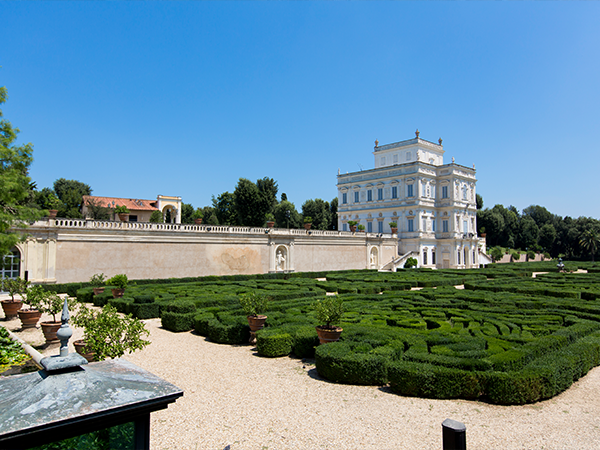
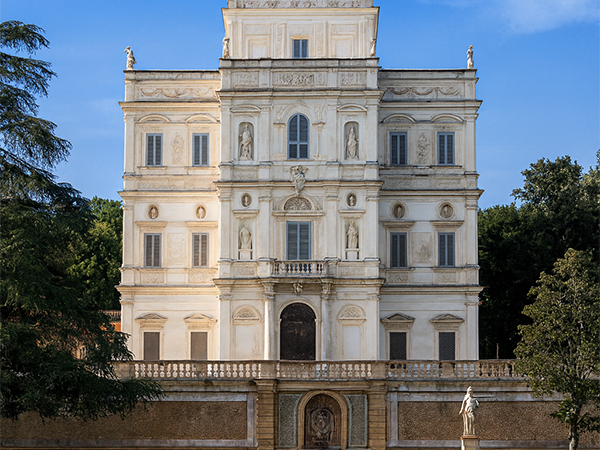
The architectural heart of Villa Doria Pamphilj is without doubt the Casino del Bel Respiro, also known as the Casino Algardi after the name of its designer. This splendid baroque building was constructed between 1644 and 1652 as the summer residence of Camillo Pamphilj, nephew of Pope Innocent X. The evocative name "Bel Respiro" derives from the panoramic position of the building, situated at the top of a hill from which one enjoys healthy air and spectacular views over the surrounding Roman countryside. The building features a square plan with four identical facades, each enriched by a colonnaded portico opening onto terraces and gardens. The external decorations include statues, reliefs, fountains and water features that attest to the magnificence of Roman baroque art at its height. The interiors of the casino were originally decorated with frescoes, stucco work and marble floors of extraordinary richness, creating an environment of refined luxury worthy of the highest Roman aristocracy. Today the Casino del Bel Respiro is owned by the Italian State and serves as one of the official representative venues of the Presidency of the Council of Ministers, used for high-level institutional meetings and official ceremonies. Although the interior is not normally open to the public, the building can be admired from the outside in all its architectural magnificence, surrounded by the formal gardens that enhance its beauty.
The Gardens and the Landscape
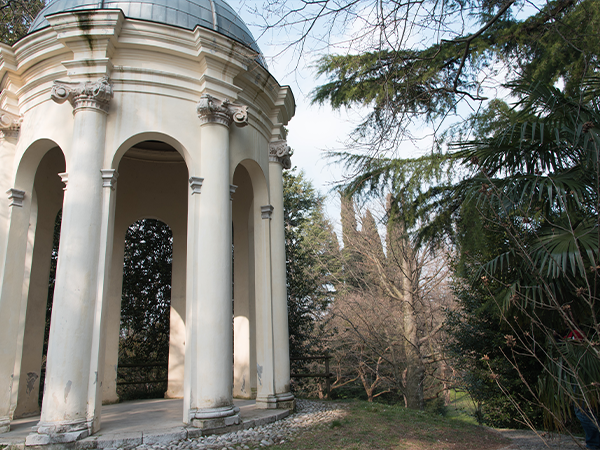
Villa Doria Pamphilj is distinguished by the extraordinary variety of its landscapes, ranging from formal Italian-style gardens to more naturalistic areas reminiscent of the Roman countryside. The complex is traditionally divided into three distinct sections according to the classic layout of Roman villas: the pars urbana, comprising the palace and the surrounding ornamental gardens; the pars fructuaria, consisting of the pine grove and wooded areas; and the pars rustica, dedicated to agricultural activity with cultivated fields, vegetable gardens and pastures. The Secret Gardens, located around the Casino del Bel Respiro, represent the triumph of the Italian baroque garden with their geometric flower beds, perfectly trimmed hedges, allegorical statues and spouting fountains. These intimate spaces were intended for the private contemplation of the family and their most illustrious guests, places where nature was tamed and transformed into living works of art. The Garden of the Theatre, named for the presence of an ancient eighteenth-century open-air theatre, has a more romantic and naturalistic character, with winding paths that wind among centuries-old trees, flowering shrubs and small artificial lakes where ducks and other waterfowl swim. This part of the park also houses the Funerary Chapel of the Doria Pamphilj family, a neo-medieval building constructed between 1896 and 1902, characterized by an eclectic style that blends Gothic and Romanesque elements in a very evocative composition. The historic pine grove of Villa Pamphilj is one of the most enchanting corners of the park, with its majestic stone pines creating a typically Mediterranean atmosphere. These centuries-old trees provide precious shade during the summer months and represent the ideal habitat for numerous bird species that nest among their branches. Walking beneath the pine grove, especially during the hottest hours of the day, gives a sense of freshness and tranquility that is hard to find anywhere else in the city.
The Botanical Wealth and the Wildlife
From a naturalistic standpoint, Villa Doria Pamphilj represents a heritage of extraordinary value for the capital. The park is home to over five hundred different plant species, including monumental trees, ornamental shrubs and herbaceous plants that create a vegetation mosaic of incredible richness. Among the most widespread trees are holm oaks that form a natural holm oak grove near the Villa Vecchia, cypresses that dot the landscape with their elegant silhouettes, stone pines of the historic pine grove, oaks of various species such as pedunculate oaks, pubescent oaks and Turkey oaks, field elms and fragrant laurels. Of particular interest are the monumental specimens, trees of exceptional size that bear witness to centuries of history. The majestic Cedar of Lebanon dominating one of the central areas of the park, the giant Oriental plane tree near the Villa Vecchia, the monumental century-old holm oak and the black poplar towering beside the large lake are true natural monuments that alone justify a visit. In the Garden of the Theatre, exotic and rare species grow, including palms of various types, Californian sequoias, the living fossil Ginkgo biloba with its distinctive fan-shaped leaves, magnolias with spectacular flowers, Japanese maples with their delicately lobed leaves and camphor trees with their unmistakable aroma. The wildlife of Villa Pamphilj is surprisingly rich given its urban location. In addition to common resident bird species such as blackbirds, sparrows, starlings and pigeons, the park hosts woodpeckers, jays, little owls, hoopoes, and during migrations it is possible to spot raptors such as buzzards and peregrine falcons. Mammals present include hedgehogs, squirrels, foxes that occasionally venture from the park, and a stable population of wild rabbits. The artificial ponds are inhabited by ducks, mallards, moorhens and grey herons that come to fish during the early morning hours.
Activities and Services in the Park
Villa Doria Pamphilj offers countless opportunities for sports and recreational activities that make it one of the favorite places for Romans to spend their free time. The kilometers of paved and unpaved avenues crossing the park make ideal routes for jogging, running, cycling and walking. The park has jogging stations with distance markers and signposted circuits for runners of all levels, from short healthy walks to more demanding loops for seasoned athletes. The wider green areas are used for outdoor yoga, tai chi, gentle gymnastics and other disciplines suited to practice in the midst of nature. On weekends and public holidays, the park comes alive with families organizing picnics on the lawns, groups of friends playing frisbee or soccer in designated areas, and children playing in the equipped play areas distributed at various points throughout the park. Villa Pamphilj also has a dedicated dog run area, where four-legged friends can run free and socialize with other dogs in complete safety. This fenced space is an important reference point for dog owners living in the neighborhood. Throughout the year, the park hosts cultural events, open-air concerts, theatrical performances and various events. The Casa dei Teatri, located in the historic Villino Corsini, organizes a rich program of live shows, workshops and educational activities dedicated to the performing arts. The "Concerti nel Parco" initiative brings live music to the open-air spaces of the villa during the warmer months, creating magical atmospheres on summer evenings.
The Villa Vecchia and the Archaeological Remains
The oldest part of Villa Doria Pamphilj is the so-called Villa Vecchia, a building that already existed in 1630 when Pamfilo Pamphilj purchased the estate. This casino was built incorporating the remains of the Acquedotto Traiano Paolo, the ancient Roman aqueduct that passed through this area carrying water from Lake Bracciano to Rome. The aqueduct structures, dating back to the second century AD under Emperor Trajan and restored by Pope Paul V in 1612, are still visible in various parts of the park, testifying to the historical stratification of this area. Today the Villa Vecchia houses a small museum dedicated to the history of Villa Pamphilj, where visitors can deepen their knowledge of this extraordinary complex through documents, historic photographs and archaeological finds recovered during excavations carried out in the park. The park also preserves important archaeological remains from the Roman era. Near the Casino del Bel Respiro, significant funerary structures have been uncovered, including the Columbarium of Scribonius Menophilus, an underground tomb with niches for cremation urns decorated with frescoes and stucco work. The Casale di Giovio preserves high-quality Imperial-era masonry and a decorated early medieval architrave, attesting to the continuity of settlement in this area through the centuries. These archaeological finds demonstrate that the area of Villa Pamphilj was already densely inhabited and frequented in Roman times, probably due to the presence of the aqueduct that ensured an abundant water supply for rural villas and agricultural activities.
How to Reach and Visit Villa Pamphilj
Villa Doria Pamphilj is easily reachable both from the center of Rome and from the surrounding residential areas thanks to numerous entrances distributed along the perimeter. The park has main access points from Via Aurelia Antica, Via Leone XIII, Via Vitellia and Porta San Pancrazio, each with different characteristics that allow visitors to choose the most convenient entry point depending on the area of the park they wish to visit. For those using public transport, several bus lines serve stops near the villa's entrances. Lines 710 and 870 stop along Via Vitellia and Via di Porta San Pancrazio; lines 31, 33, 180 and 791 run along Via Leone XIII; while lines 984 and 982 connect Via Aurelia Antica and Via Vitellia respectively with the city center. For those who prefer to cycle, the park is reachable via cycle paths connecting it to other green areas of Rome. The park is open every day of the year from dawn to dusk, with hours varying seasonally. Admission is completely free, making Villa Pamphilj accessible to everyone without financial barriers. During the visit it is important to respect a few simple rules: keep the park clean by using the designated trash bins, do not damage plants or furnishings, keep dogs on a leash in common areas and use the dog run for off-leash exercise, do not swim in the ponds, respect the fenced-off areas and posted restrictions. The park has no internal catering facilities, but near the main entrances there are bars, cafes and restaurants where visitors can have a bite to eat before or after their visit.
Living in the Villa Pamphilj Neighborhood
Choosing a vacation home in the Villa Doria Pamphilj neighborhood means living in one of Rome's greenest and most tranquil areas, while still enjoying excellent connections to the historic center. The Gianicolense neighborhood, where the villa stands, retains a residential character that makes it particularly suited to those seeking a relaxing stay away from mass tourism. The surrounding streets are lined with Liberty-style villas, apartment buildings from the 1920s and 1930s, and more modern architecture that creates a varied and interesting urban fabric. The area offers all the services needed for a comfortable stay: supermarkets, bakeries, pharmacies, neighborhood markets where you can buy fresh produce, traditional restaurants serving authentic Roman cuisine, pizza al taglio shops perfect for a quick lunch, and historic cafes where you can have breakfast like a true Roman. The Via Vitellia market, held several times a week, is the perfect opportunity to immerse yourself in the daily life of the neighborhood and buy fruit, vegetables, cheeses and other products at prices far more reasonable than in the tourist areas. The proximity to the Janiculum Hill allows you to enjoy one of Rome's most spectacular panoramic views, from the terrace where you can take in the entire city all the way to the dome of St. Peter's Basilica. Climbing up to the Janiculum at sunset to watch the lights gradually switch on across the city is an unforgettable romantic experience that only those staying nearby can easily enjoy. The neighborhood is also rich in historical landmarks linked to the Italian Risorgimento, with monuments, plaques and markers recalling the battles fought on these hills during the Roman Republic of 1849.
Why Choose a Vacation Home near Villa Pamphilj
Staying at a vacation home near Villa Doria Pamphilj offers unique advantages that are hard to find in other areas of Rome. The opportunity to start the day with a run or a walk in the city's largest park, breathing fresh air and enjoying contact with nature, is a luxury that completely transforms the travel experience. After a day spent visiting the monuments of the historic center, returning to a quiet green area allows you to recharge in a relaxing environment. Families with children particularly appreciate this area for its green spaces where the little ones can play freely and safely, far from the chaotic traffic of the central zones. The equipped play areas, the lawns to run on and the duck ponds offer a welcome alternative to cultural visits, allowing you to alternate moments of artistic discovery with outdoor leisure time. For fitness and wellness enthusiasts, having a one hundred and eighty-four hectare park at your disposal means being able to practice sports in a natural environment without the need for gyms or paid facilities. Joggers, cyclists, yoga practitioners and tai chi enthusiasts all find in Villa Pamphilj the ideal environment to maintain their training habits even while on vacation. Those seeking a more authentic dimension of Rome, away from the traditional tourist circuits, find in the Villa Pamphilj neighborhood the opportunity to live like a true Roman, frequenting the same places as the residents, shopping at local markets, having coffee at neighborhood bars and discovering an everyday, genuine Rome that few tourists have the opportunity to know. In the evening, strolling along the illuminated avenues of the park or dining at one of the typical trattorias in the neighborhood with a view over the villa's greenery creates indelible memories that go far beyond the classic tourist experience. Villa Doria Pamphilj is much more than a simple urban park: it is a microcosm where nature, history, art and daily life blend in perfect balance, offering residents and visitors alike an oasis of beauty and tranquility in the beating heart of the Roman metropolis.