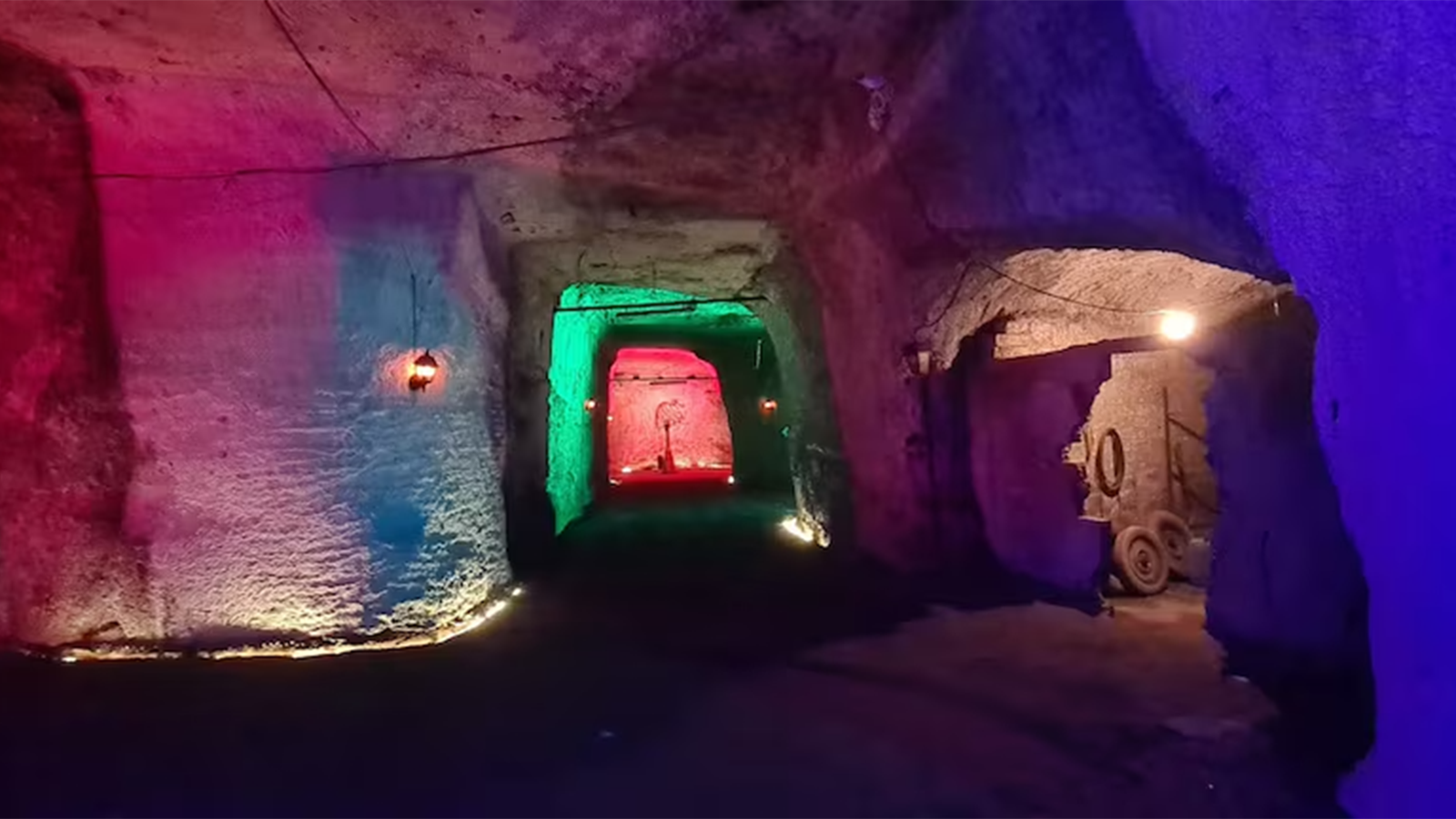
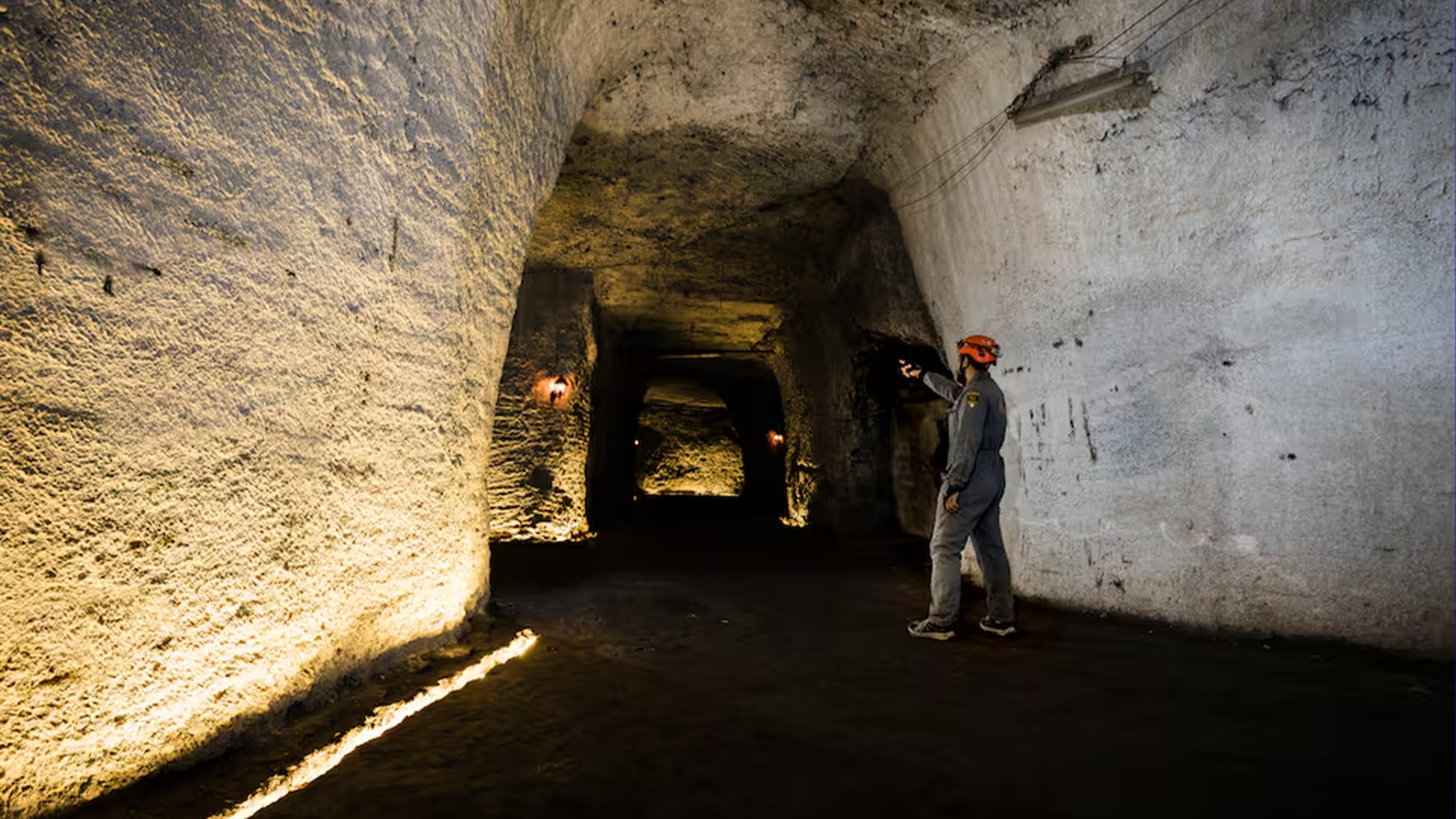
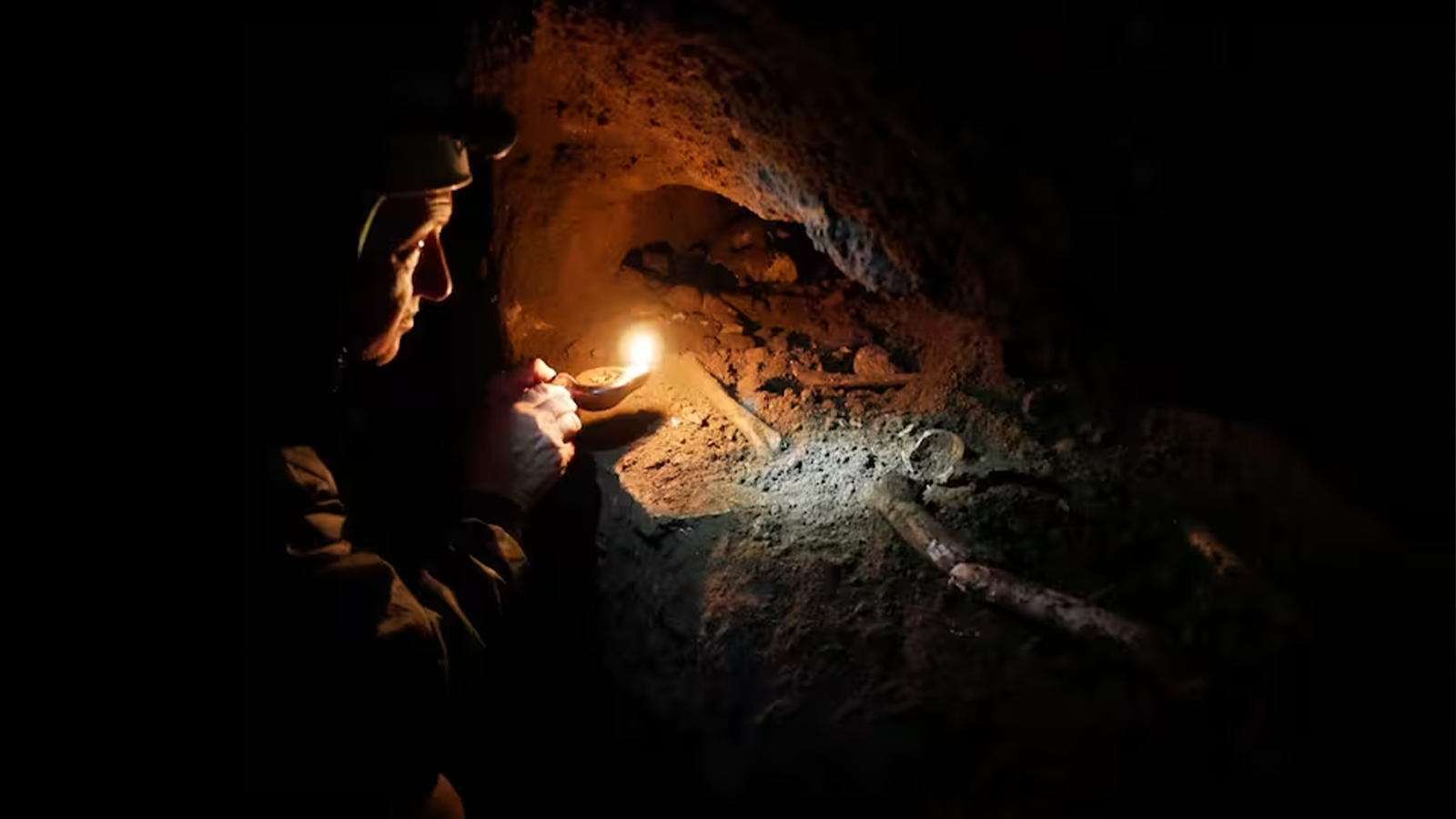
On this underground tour of Rome you will descend beneath the surface to explore the labyrinth of catacombs, caves, and passageways that extends for kilometers under the city. You will meet the specialist guide in the Appian Way area - one of the oldest and most important Roman roads, built in 312 BC - where you will receive a complete safety briefing and be handed professional torches. Then the descent into the early Christian catacombs and the tuff caves will begin, following safe but little-known routes far from the mass tourist circuit.
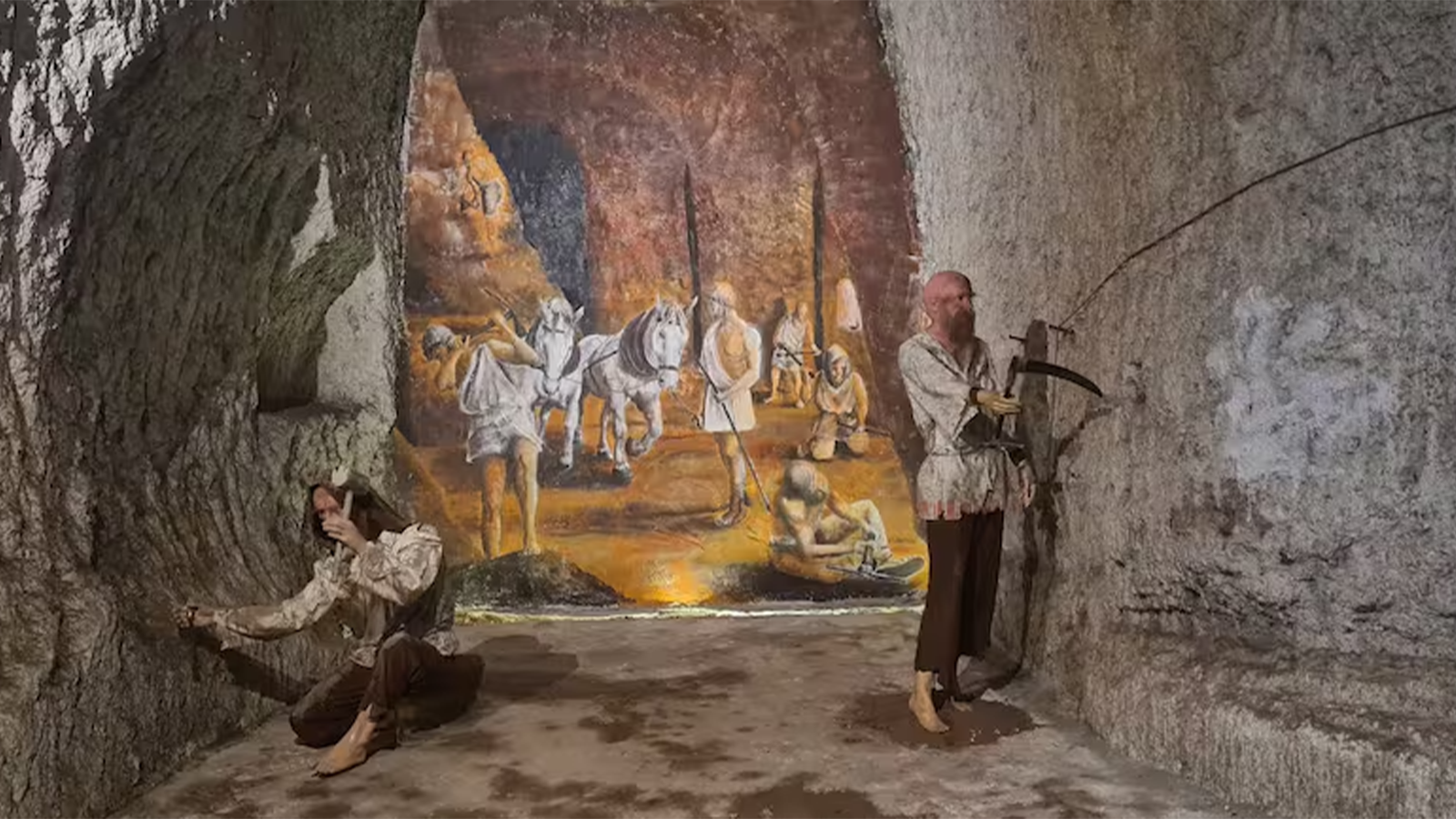
The expert guide in Roman underground archaeology will tell you the stories of the first Christian communities buried in the catacombs between the 2nd and 5th centuries AD, will explain the religious symbols carved into the walls (the Ichthys fish, the anchor of hope, the good shepherd), will show you how the tuff and pozzolana caves were quarried using manual techniques passed down for centuries, and will take you to see authentic World War II evidence still visible in the Roman underground.
You will walk through narrow passageways carved into volcanic rock, monumental galleries several meters high, hypogean chambers decorated with original early Christian frescoes, and spaces that have not seen sunlight for nearly 2,000 years. You will discover how tuff lionato a local volcanic tuff and red pozzolana, extracted from these quarries, were used to build iconic Roman monuments such as the Colosseum, the Pantheon, and the Baths of Caracalla.
Historical and Archaeological Context
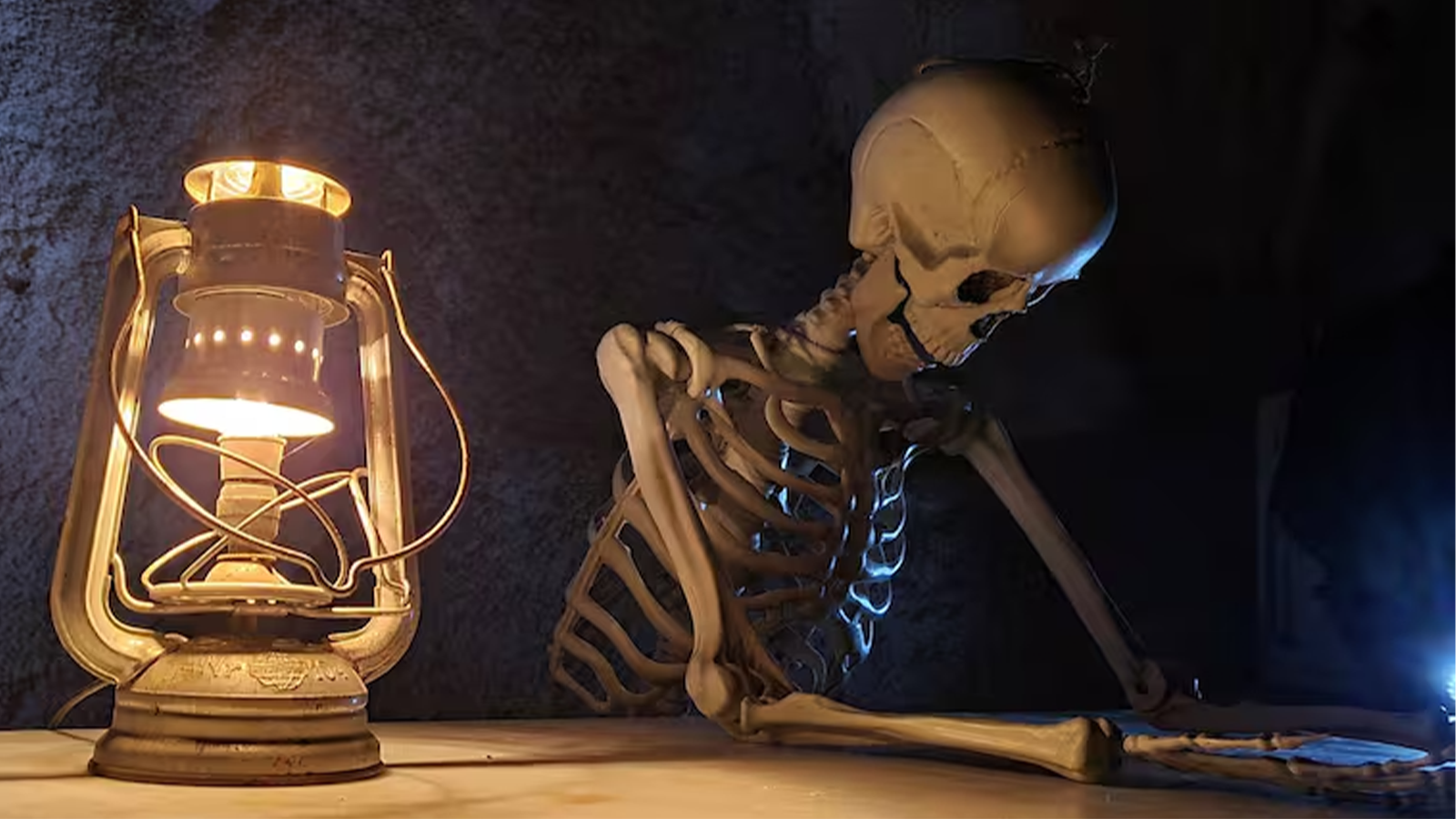
Christian Catacombs of Rome: The Roman catacombs are ancient underground cemeteries used primarily by Christian communities between the 2nd and 5th centuries AD during the persecutions. In Rome there are approximately 60 catacombs with over 150 km of underground galleries housing around 750,000 burials.
Tuff Caves: Lionato tuff and red pozzolana are volcanic rocks extracted from the Roman subsoil since Etruscan times. These underground quarries supplied the building materials for much of ancient Rome, including the Colosseum, the Pantheon, and the Aurelian Walls.
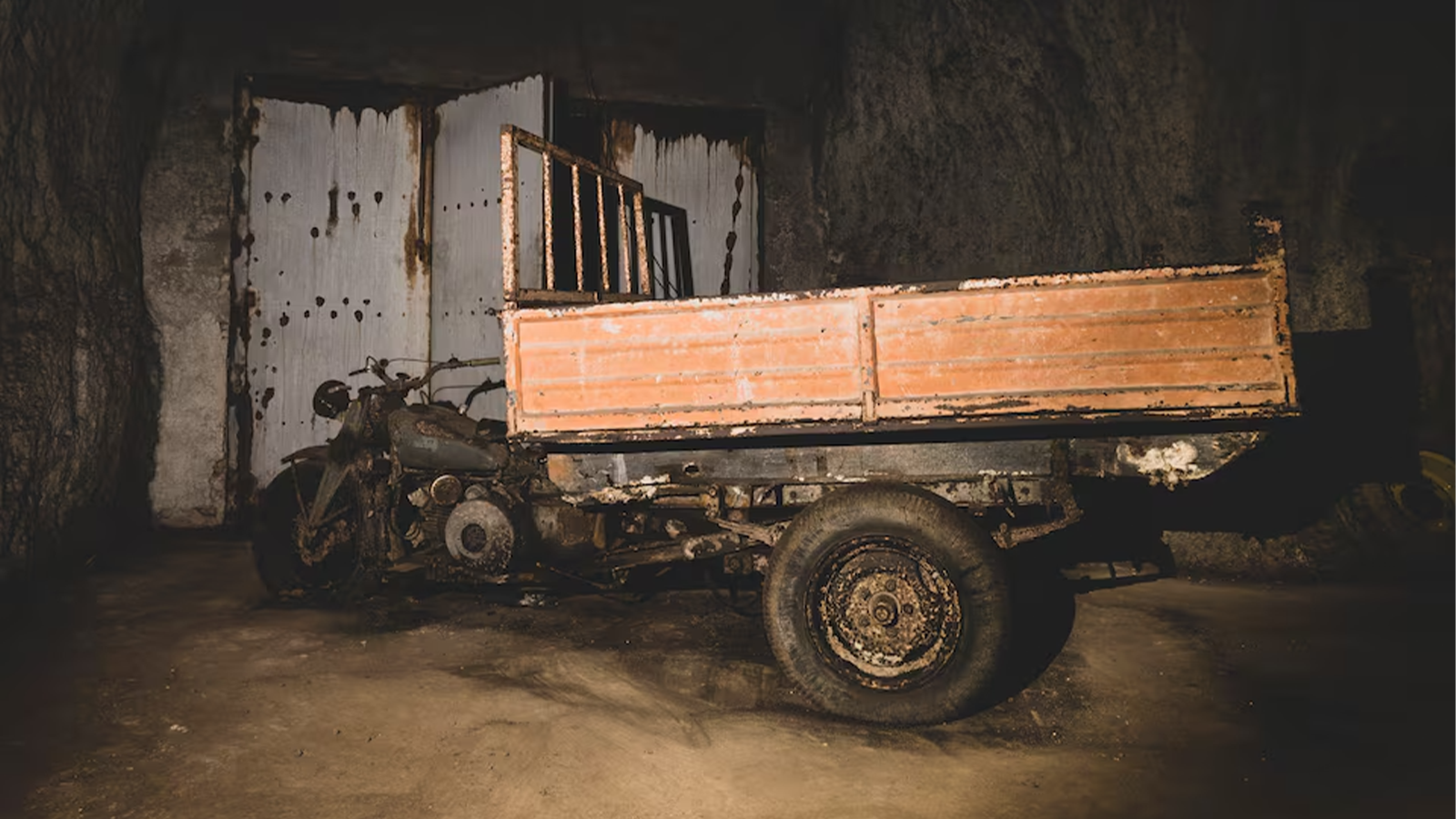
WWII Shelters: During World War II (1943-1944), thousands of Romans took refuge in the catacombs and abandoned caves during the Allied bombing of Rome. Many of these testimonies are still visible today, including writings, graffiti, and period objects.
Tour Information
-
Sites visited:
Christian catacombs, tuff and pozzolana quarries, underground passageways, World War II shelters, hypogean galleries with early Christian frescoes in the Appian Way area
-
Duration:
Approximately 2 hours and 30 minutes
-
Starting point:
Via Appia Antica 126, Rome (Appian Way area)
-
End point:
Same as the starting point, after ascending from underground
-
Available languages:
Italian and English; other languages on request depending on the availability of specialist guides
-
Capacity:
Maximum 15 people for safety reasons and to guarantee an immersive underground experience
Tour Highlights
-
Exploration of Christian catacombs with ancient burials and original religious symbols
-
Visit to the tuff and pozzolana quarries where the materials to build Rome were extracted
-
Early Christian frescoes and Latin inscriptions preserved underground for nearly 2,000 years
-
Passageways and World War II shelters with authentic historical testimonies
-
Small groups (max 15 people) for safety and a more intimate, immersive experience
-
Specialist guide in underground archaeology with fascinating historical storytelling
Practical Information
-
Closed-toe non-slip shoes are mandatory; no sandals or heels
-
Bring a jacket or sweatshirt: underground temperature is a constant 12-15 degrees even in summer
-
Torches provided by the organizer; clothing that can get dirty is recommended
-
Arrive 15 minutes early for the mandatory safety briefing
-
Not recommended for those with severe claustrophobia or significant mobility difficulties