When you think of Rome, the Colosseum, the Pantheon or Piazza Navona probably come to mind. But there is a neighborhood that tells a completely different story, where 20th-century rationalist architecture creates almost futuristic scenery: EUR.
1. The Palazzo della Civiltà Italiana: The Icon of EUR
If I had to choose just one building to see at EUR, it would undoubtedly be this one. The Palazzo della Civiltà Italiana, nicknamed the "Square Colosseum" for its arched structure, has become a globally recognized icon of rationalist architecture.
Designed by architects Giovanni Guerrini, Ernesto Bruno La Padula and Mario Romano, the building was constructed between 1938 and 1943. Its perfectly cubic structure rises six stories high, each characterized by nine arches per side, for a total of 216 identical arches. The white travertine cladding gives it a dazzling luminosity on sunny days.
The Inscription That Tells Italy's Story
At the base of the building runs a celebratory inscription that reads: "A people of poets, artists, heroes, saints, thinkers, scientists, navigators, migrants." This inscription, which may seem emphatic today, represents the rhetorical vision of the fascist regime on Italian identity.
Fendi and Contemporary Art
Since 2015 the building has been home to the Fendi fashion house, which magnificently restored the structure. The ground floor regularly hosts free contemporary art exhibitions open to the public. Even if you cannot visit the upper floors (occupied by Fendi offices), it is absolutely worth going in on the ground floor to admire the interior spaces and temporary exhibitions.
Practical tip: Visit the building at sunset, when the warm sunlight enhances the travertine and creates spectacular shadows among the arches. It is the perfect moment for photos.
2. The Palazzo dei Congressi: A Masterpiece by Adalberto Libera
This building represents one of the high points of Italian rationalist architecture. Adalberto Libera designed it with a curved travertine facade that creates a powerful scenic effect. The grand entrance staircase leads to a colonnaded portico that amplifies the overall monumentality.
The Palazzo dei Congressi hosts international events, conferences and congresses. The interior structure is equally impressive, with a main auditorium that can accommodate thousands of people. If you are lucky enough to be visiting Rome during a public event, do not miss the chance to go inside and admire the internal spaces.
The building faces an elevated square that offers a panoramic view over much of the neighborhood. From here you can appreciate EUR's grid-like layout and the geometric organization of its spaces.
3. The Church of Saints Peter and Paul: A Dome Over the Neighborhood
Rationalist Religious Architecture
This church dominates the highest point of EUR and is visible from many parts of the neighborhood. Arnaldo Foschini designed it blending rationalist elements with the tradition of Rome's great domed churches. The result is a building that engages with the past without sacrificing modernity.
The dome, 80 meters high, draws inspiration from the Pantheon but is reinterpreted in a contemporary architectural language. The austere travertine facade anticipates the spirituality of the interior spaces, which are surprisingly bright and airy.
The Luminous Interior
Entering the church is a surprising experience. Natural light filters through stained glass windows creating an almost mystical atmosphere. The exceptional acoustics make this place perfect for sacred music concerts, which are regularly organized throughout the year.
The main altar and side chapels preserve 20th-century Italian artworks, less well known than the Baroque masterpieces of the historic center but equally worthy of attention.
Not to be missed: Climb the exterior staircase to enjoy the panoramic view over EUR. On clear days you can even glimpse the sea at Ostia in the distance.
4. The Palazzo dello Sport (PalaLottomatica): Visionary Engineering
The Genius of Pier Luigi Nervi
This building is a masterpiece of structural engineering. Pier Luigi Nervi, one of the greatest engineers of the 20th century, designed it for the 1960 Rome Olympics. The low-profile dome structure, with its characteristic exposed reinforced concrete ribs, was technologically far ahead of its time.
The arena can host up to 12,000 spectators and is still one of the capital's main venues for concerts and sporting events. The roof, with a diameter of 100 meters, was built without internal pillars, creating a completely open space.
An Icon of Sport and Music
If you are a live music fan, check the PalaLottomatica events calendar. The greatest Italian and international artists have performed here. Attending a concert in this space lets you appreciate not only the music but also the extraordinary architecture surrounding you.
Even from outside the building is impressive. The curved lines and exposed structure create a fascinating interplay of shadows throughout the day.
5. The Marconi Obelisk: The Reference Point
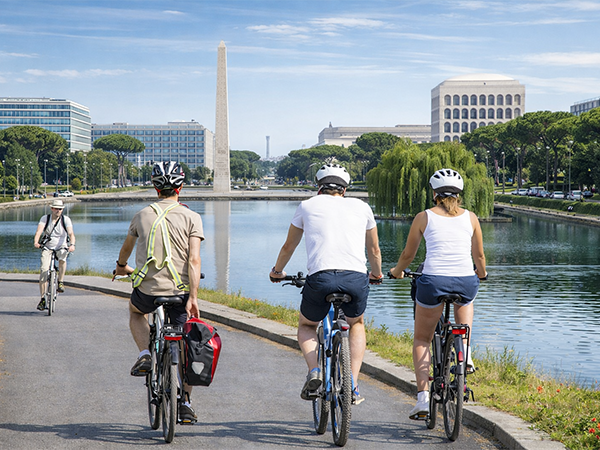
In the heart of Piazza Guglielmo Marconi stands this 45-meter obelisk in Carrara marble, dedicated to the Italian inventor of the radio. Its slender form makes it visible from various parts of the neighborhood and serves as a navigational landmark within EUR.
The surrounding square has recently been redeveloped, offering pleasant green spaces for a rest. On weekends many Roman families come here with children, creating a lively, local atmosphere.
The obelisk is illuminated in the evening, creating a scenic effect that further enhances this monument often overlooked by tourists.
6. The Luigi Pigorini National Museum of Prehistory and Ethnography
A Journey Through Time and Space
This is one of the most important museums of its kind in Europe, yet strangely little known to tourists. The collections take you from Italian prehistory to the great non-European civilizations, with an extraordinary wealth of artifacts.
The prehistoric section displays Paleolithic tools, Neolithic artifacts and Bronze Age evidence. You can literally trace the evolution of humanity through the objects our ancestors used in daily life.
The Non-European Collections
The ethnographic section is equally fascinating. African masks, Oceanian totems, pre-Columbian textiles, weapons and musical instruments from every continent: each room opens a window onto cultures distant in time and space.
Particularly impressive are the collection of Oceanian canoes and the reconstructions of traditional dwellings. The museum brings together anthropology, archaeology and art in an engaging way.
Tip: Allow at least two hours for your visit. The museum is large and richly stocked - impossible to rush through. The admission price is very reasonable and it is an excellent investment for a different kind of cultural morning.
7. The National Museum of the Early Middle Ages
A Forgotten Era Comes Back to Life
If the Early Middle Ages seem like a dark and distant period to you, this museum will change your mind. The collections cover the period between the 4th and 14th centuries, with particular focus on the Lombard and Byzantine populations that dominated Italy during that era.
The displayed objects tell the story of daily life, religious beliefs, art and warfare during a period of fundamental transition in the formation of European identity. Precious goldwork, decorated weapons, buckles and jewelry testify to the high artistic level achieved by early medieval craftsmen.
Lombard Treasures
The Lombard section is particularly rich. Complete burial goods show how these Germanic warriors had integrated into Italian society, adopting elements of Roman culture while maintaining their own traditions.
Votive crosses, chalices and Byzantine liturgical objects demonstrate how sophisticated the spirituality of this era was, far removed from the stereotypes of the "Dark Ages."
8. The Museum of Arts and Popular Traditions
Rural Italy Before Industrialization
This museum takes you on a journey through the peasant and artisan Italy that existed before the great industrial transformation of the 20th century. The collections document regional traditions through costumes, agricultural tools, household objects and handcrafted items.
Each Italian region has its own cultural specificities, often little known even by Italians themselves. Here you can discover how traditional clothing differed from north to south, what tools Sicilian farmers used compared to those from Friuli, how textiles and ceramics were produced in every corner of the country.
Musical Instruments and Folklore
A particularly fascinating section is dedicated to folk musical instruments. Bagpipes, accordions, tambourines, battente guitars: each instrument tells a musical tradition rooted in its territory. If you love folk music, this part of the museum will captivate you.
The museum also organizes workshops and demonstrations of traditional crafts, especially on weekends. Check the program before your visit so you do not miss these special opportunities.
9. The EUR Lake: An Oasis in the Rationalist Neighborhood
A Green Lung Among the Buildings
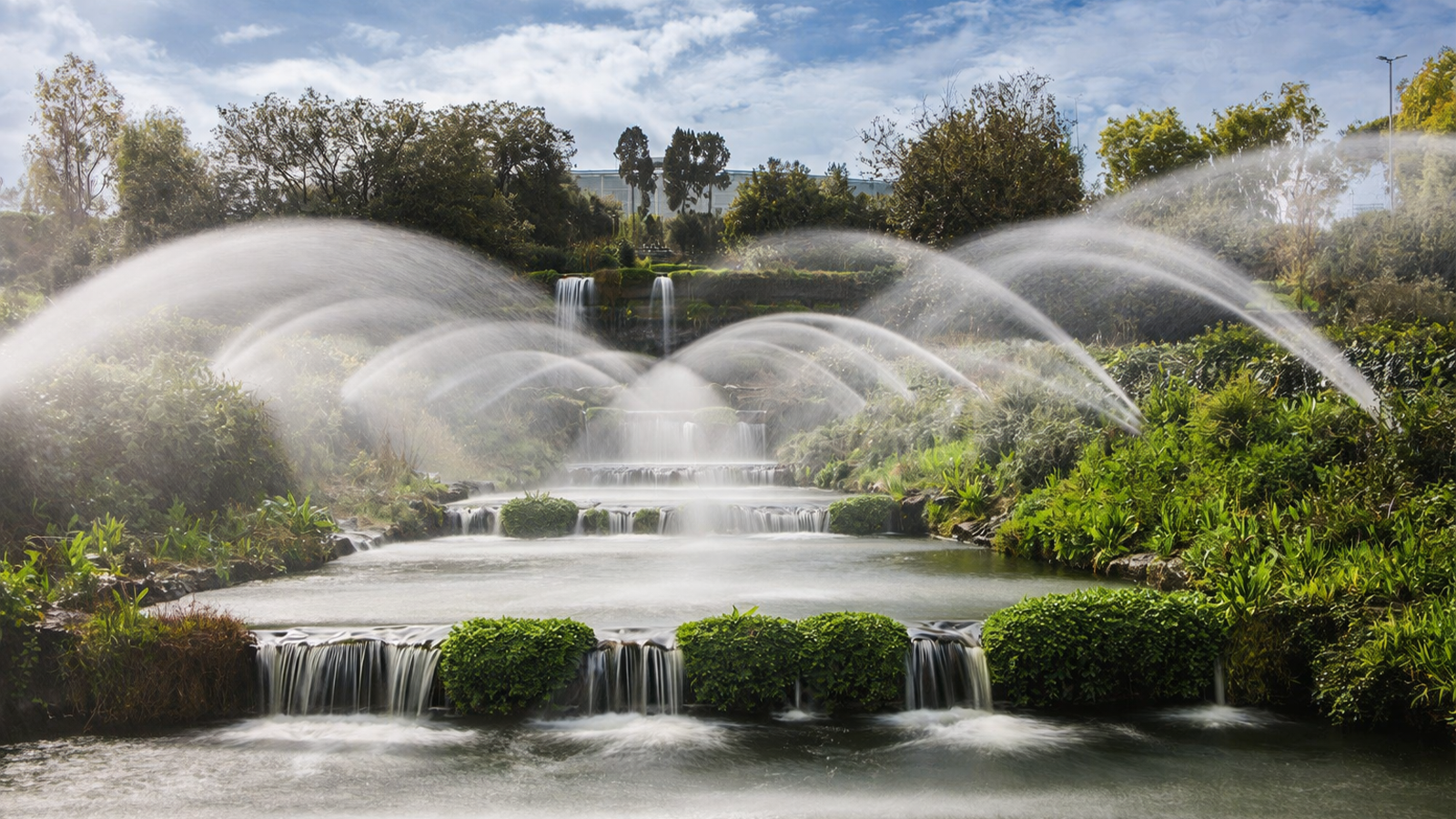
The EUR artificial lake is a perfect break during your visit to the neighborhood. With its 45,000 square meters, it offers a pedestrian path of approximately 1.5 km that you can walk or run, enjoying the nature and the architecture reflected in the water.
The lake is populated by swans, ducks, turtles and fish. Many Romans come here to feed the animals, creating picturesque scenes that pleasantly contrast with the severity of the surrounding buildings.
The Japanese Bridge
One of the most photographed features of the lake is the Japanese-style bridge spanning a small inlet. Built in the 1960s, it adds an unexpected exotic touch to the rationalist landscape. The bridge has become a romantic spot where many couples like to be photographed.
Along the lakeside you will find several green areas equipped with benches, perfect for a picnic or simply to relax watching the water. Bars and ice cream shops provide refreshment, especially welcome on hot summer days.
Activities: The lake is very popular with joggers and cyclists. If you enjoy running, this route is ideal for exercising in an evocative setting. In the evening, when the lake is illuminated, the atmosphere becomes magical.
10. The Mushroom: Sculpture and Viewpoint
The Work of Attilio Pierelli
This distinctive structure, nicknamed "the Mushroom" for its shape, is a 17-meter fountain-sculpture designed by architect Attilio Pierelli. It is located near the lake and has become one of EUR's recognizable symbols.
The reinforced concrete structure has a narrow base that widens toward the top, creating a dynamic visual effect. Originally it served as a belvedere: visitors could climb to the top to enjoy a panoramic view over the neighborhood. Today it is no longer accessible to the public, but it remains an interesting architectural element to photograph.
The area surrounding the Mushroom has been redeveloped with gardens and pedestrian paths. It is a pleasant spot for a rest during the walk around the lake.
11. The Walk Along Viale della Civilta Romana
The Monumental Boulevard
This wide, tree-lined boulevard is one of EUR's main axes. Walking along Viale della Civilta Romana means fully immersing yourself in rationalist urban planning: monumental buildings follow one another with perfect proportions, creating dramatic perspectives at every intersection.
The boulevard connects some of the most important buildings in the neighborhood, including the Square Colosseum. The very wide sidewalks and well-maintained trees make the walk pleasant in every season.
Architecture at Every Step
Along the way you can admire lesser-known but equally fascinating rationalist buildings. Company headquarters, ministerial offices and private residences show how EUR's architectural language was applied in different ways while maintaining a stylistic coherence.
Pay attention to the details: the bronze doors, the travertine decorations, the monumental staircases, the inner courtyards you can glimpse through the gates. Every element was designed with meticulous care.
12. Piazza Marconi: The Vital Heart of EUR
The Nerve Center of the Neighborhood
Piazza Marconi is much more than an urban space: it is the true beating heart of EUR. Important boulevards converge here, the metro station is located here, and shops, bars and restaurants are concentrated in this area. The atmosphere is lively throughout the day, with a constant flow of workers, residents and tourists.
The square was recently redeveloped with new paving, well-kept greenery and modern lighting. In the evening it becomes particularly atmospheric, with the illuminated obelisk dominating the space.
Shopping and Local Life
Around the square you will find a good selection of stores: from major international chains to local boutiques, from bookshops to design stores. If you need to do some shopping during your EUR visit, this is the right area.
Bars with outdoor tables are perfect for a coffee break while watching the comings and goings. Here you can capture the essence of the neighborhood's daily life, far removed from the tourist stereotypes of the historic center.
14. The Central State Archive
A Place for History Enthusiasts
This rationalist building houses the Central State Archive, one of Italy's most important historical archives. It holds documents ranging from the unification of Italy to the present day, including government acts, documents from the fascist period and materials from the Republic.
The Archive periodically organizes documentary exhibitions open to the public, exploring crucial moments in Italian history through original documents, period photographs and audiovisual materials. If you are passionate about contemporary history, it is worth checking whether there are any exhibitions running during your visit.
The building itself deserves attention for its sober and elegant architecture, typical of the rationalist style of the 1950s.
15. The EUR Central Park
Green Space and Relaxation
In addition to the lake, EUR offers a large central park with well-kept gardens, children's play areas, sports fields and pedestrian paths. This is where residents come to exercise, walk their dogs, have picnics or simply relax in the shade of the trees.
The park is particularly beautiful in spring, when cherry trees, magnolias and other ornamental plants come into bloom. The tree-lined avenues create green corridors connecting different parts of the neighborhood.
Sports and Outdoor Activities
You will find tennis courts, basketball and soccer courts, and equipped fitness areas. Many Romans use the park for early morning or after-work training. The atmosphere is relaxed and local, far from the tourist chaos.
If you are traveling with children, this park is perfect for letting them run around after hours of cultural visits. The play areas are modern, safe and well maintained.
Recommended Itinerary for Seeing EUR in One Day
Morning (9:00 AM - 1:00 PM)
- Start from EUR Fermi metro stop. Head to the Square Colosseum to admire it in the morning light. Spend 30-40 minutes between the exterior and any available indoor exhibition.
- Continue along Viale della Civilta Romana to the Church of Saints Peter and Paul. Visit the church and climb the staircase for the panoramic view (1 hour).
- Head down to Piazza Marconi for a quick coffee and then visit one of EUR's museums. The Museum of Prehistory and Ethnography is particularly interesting and requires about 2 hours.
Lunch (1:00 PM - 2:30 PM)
- Have lunch at one of the restaurants around Piazza Marconi or along Via Cristoforo Colombo. You will find both traditional Roman cuisine and more modern options.
Afternoon (2:30 PM - 6:00 PM)
After lunch, do the full circuit around the EUR lake (about 1 hour with photo stops). Enjoy the Japanese bridge and perhaps a gelato at one of the bars along the banks.
Visit the Palazzo dei Congressi and the surrounding area. If you still have energy, add a walk through the Central Park.
End the day with a visit to the Palazzo dello Sport (exterior) and, if there is an evening event, consider attending a concert at PalaLottomatica.
Getting Around EUR
Distances within EUR are significant due to the wide boulevards and open spaces. Here are the best options:
- On foot: Possible, but tiring if you want to see everything. Wear comfortable shoes.
- Metro: Line B has three stops in EUR (Magliana, Palasport, Fermi). Use it to move quickly between different areas.
- Bus: Several lines run through the neighborhood connecting the main points.
- Bicycle: Many Romans explore EUR by bike. If your accommodation offers bike sharing or rental, it is an excellent option.
- Electric scooter: Available via app in the central areas of Rome, including EUR.
Where to Stay to Visit EUR
Choosing accommodation in the EUR area offers concrete advantages: more affordable prices than the historic center, excellent public transport connections, and a quiet, modern environment.
MiTuCasa offers tourist apartments perfectly positioned to explore not only EUR but all of Rome. Our apartments guarantee comfort, cleanliness and all the services needed for an independent and relaxing stay.
In addition to accommodation, MiTuCasa provides services that simplify your Roman experience: airport transfers to avoid the stress of public transport with luggage, currency exchange at favorable rates, laundry service for longer trips, and concierge assistance for personalized restaurant bookings, visit recommendations and event information.
Choosing the EUR area as your base means optimizing time and money, having quick access to both the Ostia sea and the historic center, and experiencing Rome as a resident rather than as a passing tourist.
Practical Tips for Your Visit
When to Visit
Spring and autumn are the best periods for mild temperatures and perfect light for photos. Summer can be hot, but EUR offers more shade and ventilation than the historic center thanks to its wide boulevards and open spaces.
How Much Time to Dedicate
A full day is ideal for seeing the main attractions at a relaxed pace and visiting at least one museum. If you only have half a day, focus on the Square Colosseum, the Church of Saints Peter and Paul and the walk around the lake.
Photography
EUR is a paradise for photographers. The best moments are early morning (raking light on the buildings) and late afternoon (golden hour). The Square Colosseum is spectacular at sunset.
Tickets and Costs
Access to the exteriors of buildings is free. Museums have reasonably priced tickets (generally 5-10 euros). Many churches are free. The lakeside circuit is of course free of charge.
Accessibility
The neighborhood is fully accessible to people with reduced mobility. Wide sidewalks, ramps everywhere, elevators in public buildings.
EUR Beyond Tourism
One of the best things about EUR is that it is not a museum neighborhood. Thousands of people live and work here, creating an authentic atmosphere very different from the crowded tourist areas.
Walking through EUR you will encounter office workers heading to work, mothers with strollers, elderly residents on their daily walk, young people doing sports. This everyday dimension adds value to the experience: you are not visiting a film set but a living, functional piece of Rome.
Bars and restaurants serve local customers to Roman standards, not tourist ones. Prices are fair, portions generous, service professional. This is the real Rome, not the one packaged for visitors.