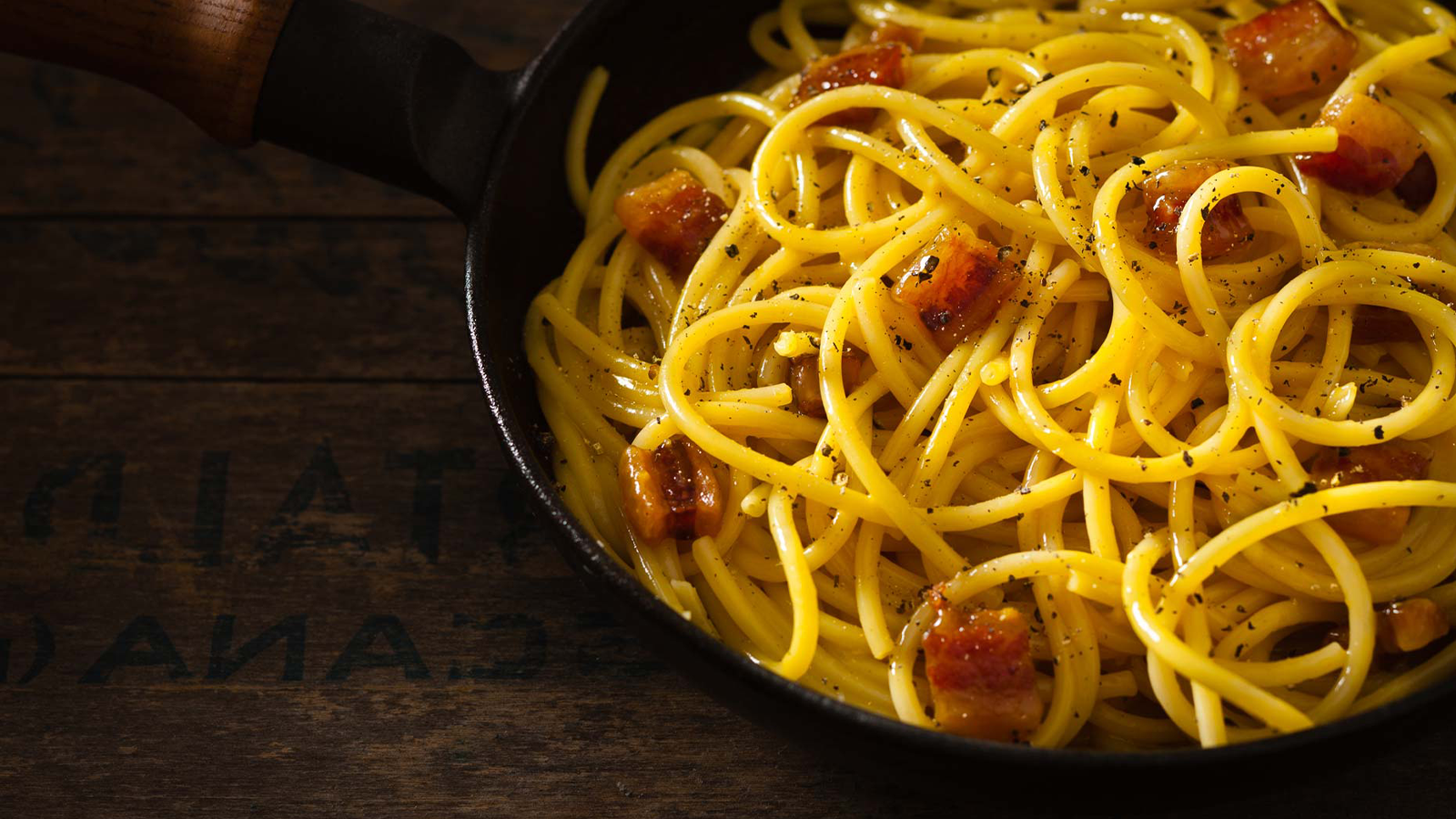

Rome is not just monuments and ancient history. It is also steaming carbonara, perfectly creamed cacio e pepe, carciofi alla giudia crispy on the outside and soft on the inside. It is the scent of freshly baked bread coming from the bakeries at the first light of dawn, the aroma of ragu slowly cooking in the kitchens of historic trattorias.
Are you looking for the best restaurants to eat in Rome? With over 15,000 pizzerias and 8,000 restaurants, the gastronomic scene of the Italian capital can satisfy all tastes with its culinary delights, celebrating flavors and ingredients rooted in years of tradition.
Trattorias and restaurants have been serving delicious typical specialties for generations, such as cacio e pepe, carbonara, roast lamb, and assorted offal. You will also find flavors different from the traditional pecorino romano and guanciale, offering an innovative and international culinary experience.
The definitive guide to eating well in Rome
Why trust a local perspective
I have lived in Rome for years and have tasted hundreds of carbonare, evaluated countless cacio e pepe, tested every possible variation of amatriciana. I have eaten at hidden trattorias frequented only by Romans, tried starred osterias, dined at gourmet restaurants and neighborhood pizzerias where they know you by name.
This is not a guide written by consulting other guides or based on online reviews. It is the result of direct experience, evenings spent at the table with true Roman friends, and advice exchanged with restaurant owners who have been running their businesses for generations.
The difference between eating well and eating exceptionally well in Rome lies in the details: knowing which trattoria prepares gricia the right way, where to find the best fried fish, which pizzeria still uses the family wood-fired oven. These are secrets passed down, not easily found online.
How Roman dining has changed
Roman cuisine is going through a renaissance. Alongside historic trattorias that have been serving the same dishes with the same dedication for decades, restaurants have emerged that reinterpret tradition with creativity and modern technique. Young chefs recover forgotten recipes, rediscover local products, and experiment with bold combinations.
This evolution does not betray tradition, it enriches it. You can find a starred restaurant where carbonara becomes a gourmet dish without losing its soul, or a contemporary pizzeria that uses natural leavening and stone-ground flours while maintaining the authentic flavor of Roman pizza.
The gastronomic landscape of the capital has also diversified to meet different dietary needs. High-quality vegetarian and vegan restaurants stand alongside traditional kitchens, while venues showcasing quality fish compete with the classic meat osterias.
Practical tips for eating at Roman restaurants
A few tips
Before showing you the best restaurants in all of Rome, here are some suggestions that might come in handy during your stay:
- It is absolutely necessary to make reservations as early as possible, even several weeks in advance at the most popular places. Simply use the concierge service offered by MiTuCasa to have your reservation secured.
- Having cash on hand is always better, as several restaurants in Rome prefer this payment method. If you need to exchange money, MiTuCasa properties offer currency exchange.
- At Italian restaurants you can certainly leave a tip, but you are not obligated to, especially if the service was not to your liking. Even a couple of euros to round up the bill is perfectly acceptable.
- Allow an hour and a half or two hours for a typical lunch, or two to three hours for dinner. Italian culture is focused on food and the culinary experience, so take your time and enjoy your meal to the fullest.
- If you are a foreigner, make an effort to greet people in their native language - it will improve your experience and the gesture will certainly be appreciated. Learn a few basic words like "Buongiorno" or "Ciao," and useful phrases for ordering.
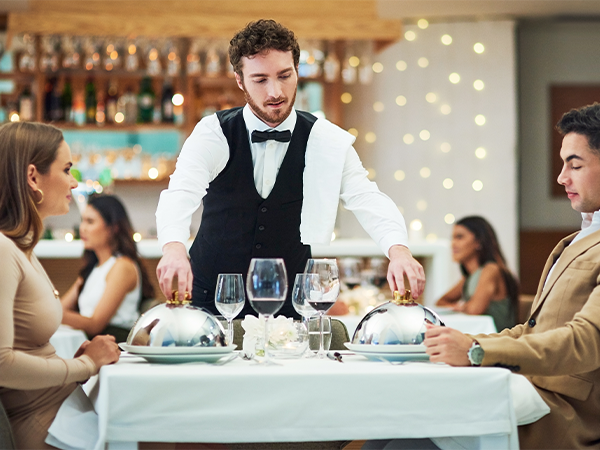
The coperto: a custom to know
Many tourists are surprised when they see an item called "coperto" on the bill. It is not a scam, it is simply the charge for table service which includes bread, breadsticks, tablecloth and cutlery. It usually ranges from 1 to 3 euros per person, depending on the type of venue.
At more informal restaurants you might not find it, while at traditional trattorias it is practically always present. Knowing this custom will save you unpleasant surprises when the bill arrives.
Meal times
Romans typically have lunch between 1:00 PM and 3:00 PM, while dinner rarely starts before 8:00 PM. Arriving at a restaurant at 6:00 PM expecting to have dinner early will usually find the kitchen still closed.
Some tourist restaurants serve food continuously, but quality often suffers as a result. The best venues respect traditional hours because this allows the kitchen to work at the right pace, ensuring dishes are always fresh and made to order.
The tourist menu: when to avoid it
If you see "tourist menu" at 15 euros with a first course, main course, side dish and dessert included, stay away. These menus are almost always synonymous with low-quality food, prepared in advance and reheated when ordered.
Good restaurants do not need to attract customers with rock-bottom prices. They prefer to focus on the quality of their ingredients and the careful preparation of dishes, even if this is reflected in a slightly higher bill.
The best restaurants for traditional Roman cuisine
Felice a Testaccio: the icon of Roman identity
Felice a Testaccio
Testaccio is certainly considered the best neighborhood for Roman cuisine and this restaurant is an absolute institution in the area. This old-school restaurant makes a weekend family lunch perfect and enjoyable, or it can be an excellent choice for a romantic gourmet dinner.
Their famous cacio e pepe is absolutely recommended, as are the "spaghetti alla Felice," a restaurant specialty.
Entering Felice is like stepping back in time. The walls covered with black-and-white photographs tell decades of history, the tables are always full, the atmosphere is that authentic feel of old Roman trattorias. Franco Felice, the owner, personally welcomes guests with that rough but sincere cordiality that is typically Roman.
Felice's cacio e pepe is legendary for a reason: the creaming process takes place directly inside a hollowed-out pecorino wheel, creating a creaminess impossible to replicate with other methods. The pepper is toasted to order, releasing intense aromas that pair perfectly with the aged pecorino.
Spaghetti alla Felice is a variation of carbonara in which bacon replaces guanciale, creating a slightly different but equally irresistible flavor. Some purists will turn their noses up, but after the first bite you will understand why this dish has been on the menu for generations.
Armando al Pantheon: tradition in the heart of Rome
Armando al Pantheon
Just 20 meters from the most preserved ancient monument in Rome, Armando al Pantheon has supported traditional local cuisine since 1961. For over five decades it has been serving classic Roman dishes such as the famous cacio e pepe, saltimbocca alla romana and coda alla vaccinara (oxtail braised with tomato and celery).
Among the seasonal side dishes, you absolutely must try the puntarelle (Catalan chicory) with anchovy sauce and the carciofi alla romana, which you can find in the colder months.
At this restaurant the wine list is carefully curated each year, prices are good and the service is excellent.
Armando represents the resistance of authentic Roman cuisine right in the tourist center. While all around restaurants chase tourists with photographed menus and waiters who speak five languages, Armando continues to do what it does best: cook the way it was done sixty years ago.
Coda alla vaccinara is a dish that requires hours of slow cooking, patience and technique. The result is meat that melts in your mouth, immersed in a thick and flavorful sauce that begs to be sopped up with bread. It is not a dish for delicate palates, but it is the essence of popular Roman cuisine, born from the need to make the most of cheaper cuts and transform them into delicacies.
Armando's carciofi alla romana deserve a paragraph of their own. Slowly cooked with pennyroyal mint, garlic and oil, they become so tender that you eat them whole, leaf by leaf. Seasonality is essential: you will only find them from November to March, when Roman artichokes are at their best.
Cesare al Casaletto: the trattoria that surprises
Cesare al Casaletto
This trattoria, located in the Monteverde neighborhood, represents the true expression of Roman gastronomic identity.
Located just a one-minute walk from Campo de' Fiori, Osteria da Fortunata is a landmark of the city of Rome and one of the most popular restaurants in the city. This restaurant uses only organic products and also offers homemade fresh pasta, which is certainly synonymous with excellent quality.
The cheese ravioli and oxtail stew are absolutely worth trying, but make sure to save room for dessert too, such as a good tiramisu or panna cotta.
Fortunata's distinctive feature is the glass window facing the street where you can watch the sfogline prepare fresh pasta by hand. It is a hypnotic sight: expert hands rolling out the dough, cutting tagliatelle, filling ravioli with precise movements repeated thousands of times.
The cheese ravioli are filled with creamy Roman ricotta and pecorino, dressed with butter and sage in the classic version, or with fresh tomato in the more summery one. The pasta is extremely thin, almost transparent, and cooks in just a few minutes while maintaining a perfect consistency.
The oxtail stew is served in generous portions, with the meat falling apart at the mere touch of a fork. The sauce is so good that you will find yourself asking for more bread so as not to leave a single drop on the plate.
Trattoria da Danilo: textbook carbonara
Trattoria da Danilo
This is one of Rome's historic restaurants in the Esquilino neighborhood near Santa Maria Maggiore. On the menu you can find hearty appetizers such as Piedmontese beef tartare, beef meatballs in amatriciana sauce and buffalo mozzarella with artichokes. If you feel like trying pasta carbonara, this is the right place, while if you are looking for different flavors for a first course, Trattoria da Danilo also offers fusilli with pistachio and guanciale, a true delight for the palate!
Danilo's carbonara is cited in every serious food guide. It is not the most innovative, it makes no claim to reinventing anything, it is simply perfect in its execution of the traditional recipe. Crispy guanciale, egg yolks from free-range hens, pecorino aged just the right amount, freshly ground black pepper. Period.
Temperature is crucial in carbonara: too hot and the eggs set and become a frittata, too cold and the dressing does not come together. At Danilo's they have found the perfect balance, the one that creates a velvety cream that coats every single strand of spaghetti.
The fusilli with pistachio and guanciale is an example of how to innovate while staying true to the territory. Sicilian Bronte pistachio pairs magnificently with crispy guanciale, creating a contrast of flavors and textures that works perfectly.
Da Enzo al 29: the kingdom of carbonara
Da Enzo al 29
Da Enzo is a restaurant that pays close attention to product quality, using ingredients from their own garden on the outskirts of Rome, or from small local producers.
They do not accept reservations, so you will need to arrive right when they open or be prepared to wait a bit. Despite this, Da Enzo is absolutely worth your visit for its spectacular carbonara, one of the best in Rome. But if carbonara is not your thing, this restaurant offers many other succulent dishes such as burrata, sourdough, amatriciana, fried artichokes and meatballs in tomato sauce.
Da Enzo has become a phenomenon in recent years. The line outside the restaurant is now a constant, especially on weekends. The secret of its success? Exceptional ingredients treated with respect and simplicity.
The garden that supplies Da Enzo is located in the Roman countryside, cultivated using organic methods and harvesting vegetables only when they have reached perfect ripeness. You can taste this in the artichokes, the tomatoes, the zucchini that accompany the main dishes.
Carbonara made Da Enzo famous, but it would be reductive to stop there. The meatballs in tomato sauce are enormous, succulent, with a home-cooked flavor that warms the heart. The burrata is served with confit cherry tomatoes that bring out the creaminess of the cheese without masking its delicate flavor.
Educational panels and natural history information
Among all the flora and fauna present, you can find plenty of information on signs located along the trail, providing enthusiasts with much useful content such as descriptions, habitats, origins and illustrations, allowing you to get to know your surroundings better. In addition to these signs there are also notices asking visitors not to litter along the trail, out of respect for the environment and to help preserve this place for ourselves and future generations.
The panels have been designed to be accessible to everyone, with clear text and quality illustrations that help even non-experts identify the species present. Some panels include QR codes linking to additional multimedia content: photos, videos, and recordings of birdsong.
Bug hotels: shelters for small wildlife
Along the trail there are also several "bug hotels," which are artificial shelters for insects. Having one in your vegetable garden or yard is like welcoming an army of allies in the biological fight against many plant infestations, such as aphids and scale insects. They are also very important for protecting biodiversity. All living beings have a role in nature, even insects, and losing their variety and richness due to the overuse of pesticides is a serious problem.
These small ecological hotels are wooden structures with holes of different sizes, filled with natural materials such as bamboo canes, drilled wood, pine cones, and bark. Each "room" is designed to host specific insects: solitary bees, ladybugs, earwigs, lacewings - all insects that are extremely useful for ecological balance.
Observing a populated bug hotel is a fascinating experience. You can see solitary bees entering and exiting the holes, carrying pollen to feed their larvae. Or ladybugs sheltering for the winter, huddled together in small groups to protect themselves from the cold.
Starred restaurants and fine dining
La Pergola: the pinnacle of Roman gastronomy
La Pergola
La Pergola, a three-Michelin-star restaurant, offers one of the most extraordinary tasting menus you can find in Italy. Chef Heinz Beck brings a touch of lightness to traditional Italian ingredients, blending his French-influenced precision with cutting-edge technique and regional products. His intention is to convey emotions through harmoniously balanced aromas, flavors and colors - this restaurant will surely impress you!
Dining at La Pergola is not simply eating, it is living an experience. From the moment you cross the threshold of Hotel Rome Cavalieri, where the restaurant is located on the top floor, you understand you are about to enter a world apart.
The view of Rome is breathtaking. While savoring gastronomic creations that look like works of art, you can admire the dome of St. Peter's Basilica, the illuminated Colosseum, the rooftops of Rome stretching as far as the eye can see. The sunset seen from here is a spectacle that alone would be worth the price of the menu.
Heinz Beck is a perfectionist. Every dish is studied down to the smallest detail, from the choice of ingredients to the final presentation. Portions are calibrated to allow you to taste the entire tasting menu without feeling too full at the end. The flavors are clean, defined, never overwhelming.
La Pergola's cellar holds over 53,000 bottles. The sommelier will guide you in choosing the right wine for each course, creating pairings that enhance both the food and the wine. It is not uncommon for rare wines and special labels to be suggested, ones you would have difficulty finding elsewhere.
The price? Certainly significant. But if you want to experience one of the best restaurants in Italy, La Pergola is worth every euro spent.
Ristorante Moma: art on the plate
Ristorante Moma
With one Michelin star, Moma - named after the Metropolitan Museum of Art in New York - offers a stellar dining experience. Here you can find reinterpretations of classic dishes alongside modern creations, such as ravioli filled with cod and caramelized onions, and chestnut flour lasagna with vegetables and cheese, all presented as if they were works of art.
The name Moma is no coincidence. The chef considers each dish an artistic composition, where colors, shapes and textures interact to create visual harmony even before flavor. Dishes are plated with meticulous care, every element has its precise position, nothing is left to chance.
The chestnut flour lasagna is a perfect example of the restaurant's approach: taking a traditional dish and completely reinterpreting it while keeping its soul. The chestnut flour gives a slightly sweet flavor that pairs magnificently with the cheese and seasonal vegetables, creating a surprising balance.
The cod ravioli with caramelized onions demonstrates how fish can take center stage even in dishes typically associated with meat. The sweetness of the onions balances the delicate flavor of the cod, while the thin pasta holds everything together without masking the flavors.
Giulia: elegance on Via Giulia
Giulia
Located on one of Rome's most elegant streets, Via Giulia, this is a romantic restaurant that brings flavor and charm to the heart of the Eternal City. Chef Pierluigi Gallo has created a contemporary menu that pays tribute to technique and local products. You can choose from one of the tasting menus or the full menu, which offers dishes such as pork-filled gnocchi or crispy roast meat with escarole and fermented plums, while among the desserts a classic sour cherry and buffalo ricotta tart will let you end your meal in exceptional fashion.
Via Giulia is one of Rome's most beautiful streets, with its Renaissance palaces and timeless atmosphere. The restaurant Giulia fits perfectly into this context, with elegant interiors evoking Roman classicism reinterpreted in a contemporary key.
The pork-filled gnocchi is a bold dish. Traditional Roman gnocchi are made with semolina and baked in the oven; these instead are potato gnocchi stuffed with filling, pan-fried until a crispy crust forms. The pork filling is flavored with aromatic herbs and spices that recall the Lazio peasant tradition.
The roast meat with escarole and fermented plums shows how combinations that seem bold on paper can work magnificently when executed with skill and intuition. The escarole sauteed in a pan with garlic and chili contrasts with the sweetness of the plums, while the perfectly roasted meat bridges the two worlds.
Almato: Tommaso Venuti's vision
Almato
Chef Tommaso Venuti can be praised for his culinary skill, but he is also a design expert, having chosen to design the Almato restaurant himself. The menu at this refined restaurant focuses on a land-sea journey, starting with appetizers such as scampi, radicchio and roots or foie gras, chestnuts and red berries. Some dishes include creative combinations that work surprisingly well, such as duck with purple potatoes and lavender, and lobster and artichokes infused with rum.
Almato is a restaurant where every detail is designed to create a total experience. The layout of the spaces, the lighting, the arrangement of the tables - everything contributes to creating the right atmosphere to best appreciate the food.
The duck with purple potatoes and lavender pairing seems impossible, yet it works. The lavender, used sparingly, adds a floral note that lightens the richness of the duck, while the purple potatoes are not just decorative - they bring a slightly different texture and flavor compared to regular potatoes.
The lobster with artichokes and rum is another example of controlled creativity. The rum does not overpower the other flavors but enhances them, creating an aromatic depth that makes the dish memorable. The artichokes, sliced very thin and served raw, add crunchiness and freshness.
Authentic neighborhood trattorias
Osteria Bonelli: tradition in Tor Pignattara
Osteria Bonelli
Osteria Bonelli is a traditional restaurant in Rome's Tor Pignattara neighborhood, serving generous portions with high-quality products. It is a perfect stop if you are looking for an authentic, typical lunch in Rome!
Tor Pignattara is a multi-ethnic neighborhood, far from tourist circuits, where working-class Rome lives its daily life. Osteria Bonelli is a local institution, a place where residents go regularly because they know they will eat well for a fair price.
The portions are genuinely abundant, a legacy of the tradition of Roman osterias where people would go to eat after a hard day's work. The first course is always generous, the main course comes with substantial side dishes, and you leave the table completely satisfied.
The quality of the ingredients is evident in every dish. The meat comes from trusted butchers, the fish arrives fresh from the market every morning, the vegetables are seasonal and sourced from small producers. This attention translates into clean, authentic flavors.
Trattoria al Moro: history near the Trevi Fountain
Trattoria al Moro
Trattoria Al Moro, open since 1929, is a restaurant that has weathered the changes and transformations of time, and has watched neighborhoods in the heart of Rome - like the one near the Trevi Fountain where it is located - become low-budget tourist areas.
Thanks to its fresh pasta, artisan desserts, locally sourced cheeses and cold cuts, and seasonal ingredients, Al Moro is the kind of restaurant where you will want to linger over lunch, taking a break from the chaotic city. The "spaghetti Al Moro" are very popular here - a dish that evokes true carbonara but made exclusively with egg yolks, making it more easily digestible while remaining very flavorful. Other very popular dishes include tagliatelle with white or black truffle, spaghetti alle vongole, gnocchi alla romana, roast lamb with potatoes and veal scaloppine with artichokes, although the menu also includes a wide range of fish and seafood options.
So if you have arrived in the Italian capital intending to try local food in Rome without straying too far from the main monuments, this is one of the best restaurants to try.
Al Moro has seen generations of Romans and tourists pass through. The walls are decorated with vintage photos that document nearly a century of history. Celebrities, politicians and artists have dined here over the decades, yet the restaurant has never let success go to its head, continuing to serve honest food at reasonable prices.
Spaghetti Al Moro is a clever variation of carbonara designed for those who have digestive issues with egg white. By using only yolks, the dish becomes creamier and more velvety, with an even more intense flavor. It is not a traditional carbonara, it is something different and equally good.
Truffle tagliatelle are served in season, when the white or black truffle is at the peak of its fragrance. The truffle is generously sliced at the table, filling the air with that unmistakable scent that makes your mouth water before you even taste it.
Trattoria Monti: the flavors of Le Marche in the heart of Rome
Trattoria Monti
One of the great names on the Roman gastronomic scene is Trattoria Monti, often cited as the best trattoria in Rome's Esquilino neighborhood. This trattoria serves dishes from the Marche region and central Italy and is a perfect place to try the classics of central Italian cuisine including meat and fish dishes, with many recipes for vegetarians as well.
The choice to bring Marche cuisine to Rome might seem bold, but it works perfectly. Le Marche shares many ingredients and traditions with Lazio, but has developed its own recipes that deserve to be known.
Vincigrassi, a Marche version of lasagna, is one of Trattoria Monti's signature dishes. The difference lies in the ragu, richer and more flavorful, and in the addition of chicken giblets that add depth to the dressing. The result is a hearty dish, perfect for cold days.
Fish is cooked following recipes from the Adriatic coast of Le Marche: fragrant brodetti, crispy fried dishes, simple grills that highlight the freshness of the product. Even those who come to Rome thinking they will only eat Roman cuisine will be pleasantly surprised by these offerings.
Piatto Romano: the nonconformist
Piatto Romano
Relatively new to the Roman gastronomic scene, Piatto Romano has quickly established itself as a nonconformist and is rapidly gaining recognition among the city's best-known trattorias.
Piatto Romano offers an impressive selection of raw ingredients and therefore dishes of great refinement and quality. Here, their menu includes an extraordinary variety of vegetables and wild herbs, from appetizers to side dishes, such as: white mustard, mallow, poppy roots, wild arugula, wild radicchio.
Piatto Romano's approach to Roman cuisine is revolutionary. Instead of focusing on the most famous dishes, they recover forgotten recipes and valorize ingredients that modern cooking has abandoned in favor of more standardized products.
Wild herbs are the absolute stars. White mustard, mallow, and poppy roots are ingredients our grandparents knew well and used daily, but that new generations have forgotten. Piatto Romano brings them back to the table, letting us rediscover authentic and often surprising flavors.
The restaurant's philosophy is total respect for seasonality. The menu changes continuously following what nature offers at various times of the year. This variability makes every visit a different experience, always new and always rooted in the territory.
Taverna Volpetti: from deli to restaurant
Taverna Volpetti
Once a coffee bar and now a restaurant, Taverna Volpetti is the perfect place to spend a relaxed evening with family or friends. With elegant dishes drawn from a menu that changes every evening and features seasonal delights, this restaurant will immerse you in a magical atmosphere!
Volpetti is first and foremost an institution in the world of cured meats and cheeses. Their historic shop is a reference point for those seeking the highest quality products. The Taverna is a natural extension of this activity, a place where you can sample these products cooked with care.
The daily changing menu reflects ingredient availability and the chef's inspiration. This approach requires total trust in the kitchen: you must completely rely on the proposed choices, but you will always be rewarded with thoughtfully conceived and perfectly executed dishes.
The atmosphere is that of a family tavern, where you feel welcomed as a distinguished guest. The service is attentive but never intrusive, the pace of the meal follows relaxed rhythms that allow you to converse and enjoy the evening without rushing.
Jewish-Roman cuisine
Nonna Betta: guardian of the Judeo-Roman tradition
Nonna Betta
Some of Rome's most famous dishes have roots in the city's Jewish community and date back to ancient Rome. In more recent centuries, Jews were confined to a neighborhood known as the ghetto, where Nonna Betta is located.
The most famous Jewish-Roman dish is carciofi alla giudia, but other typical dishes include zucchini blossoms and stracotto, while among the desserts the cassola and the ricotta and sour cherry tart are very famous - both excellent ways to end your meal at Nonna Betta.
The Jewish ghetto of Rome is one of the oldest in Europe, continuously inhabited for over two thousand years. The cuisine that developed in this neighborhood represents a perfect synthesis of Jewish tradition and Roman influences, creating unique dishes that you cannot find anywhere else.
Carciofi alla giudia are the symbol of this cuisine. The artichoke is cleaned, opened like a flower and fried twice in boiling oil. The result is a marvel - crispy on the outside and soft on the inside, with the outer leaves becoming almost chips while the heart remains tender and sweet. The preparation requires experience and precision: the oil temperature must be exact, the cooking times perfect.
Stuffed zucchini blossoms with mozzarella and anchovy are another classic. The blossom is delicately filled, dipped in a light batter and quickly fried. The contrast between the crunchiness of the batter, the creaminess of the mozzarella and the intense flavor of the anchovy creates a perfect balance.
Cassola is a dessert with roots in the Sephardic Jewish tradition. It is a sort of proto-cheesecake, made with fresh ricotta, raisins and candied fruit, flavored with cinnamon and lemon zest. The ricotta and sour cherry tart adds cherries for a touch of acidity that balances the sweetness of the cheese.
Pizza: from tradition to innovation
Seu Pizza Illuminati: when pizza becomes art
Seu Pizza Illuminati
The pizzeria Seu Pizza Illuminati takes its name from Pier Daniele Seu, voted Italy's seventh best pizzamaker. The menu is divided into 3 sections of gourmet pizza, each with creative flavors and seasonal toppings: regular, old school and Seu. All the classics are on the menu (margherita, marinara, etc.), but Seu plays with ingredients and you will find everything from deconstructed pizza capricciosa to the Tartara pizza, a very popular choice among diners, made with tuna tartare, burrata and pistachio. This restaurant offers a variety of rich and genuine ingredients, all seasonal and premium, such as chicory, yellow tomatoes and walnuts, used on a pizza base with a thicker crust than the traditional Roman style. In addition to pizza, the menu offers delicious appetizers including eggplant and tuna meatballs, fried cod fillet and the classic suppli.
Seu has revolutionized the concept of gourmet pizza in Rome. The dough is left to rise for at least 72 hours, using high-quality flours and sourdough starter. The result is a highly digestible pizza, with a tall, airy crust and a thin, crispy center. The Tartara pizza represents the pinnacle of creativity. Freshest tuna tartare is placed on the just-baked pizza along with generous spoonfuls of creamy burrata and toasted pistachio crumble. The land-sea pairing works magnificently, with each bite offering different textures and flavors.
The "old school" section of the menu pays homage to the pizzas of the Neapolitan and Roman tradition, executed with impeccable technique and highly selected ingredients. The margherita may seem basic, but when done well it is a revelation: sweet tomato, stretchy mozzarella, fresh basil, extra virgin olive oil tying it all together.
Gino Sorbillo Roma: Naples in the heart of the capital
Gino Sorbillo Roma
Naples is the birthplace of pizza and home to the best pizza in the world. One of the best there is certainly Gino Sorbillo. Fortunately this place is also present in Rome, where you will often manage to get a table quickly or sometimes even without waiting. From their menu of dozens of pizzas, all made in their wood-fired oven at over 900 degrees, it is an explosion of flavor you cannot miss!
Gino Sorbillo represents the Neapolitan tradition in its purest form. Neapolitan pizza is different from Roman: it has a tall, soft crust, the center is softer and more moist, and the dough is cooked at very high temperatures for just a few minutes. The wood-fired oven reaches temperatures above 900 degrees, allowing the pizza to cook in about 90 seconds. This rapid cooking seals in the ingredients keeping them fresh and flavorful, while the dough puffs up creating those characteristic leopard spots on the crust.
The variety of pizzas is impressive. In addition to timeless classics, Sorbillo offers creative pizzas that change with the seasons, using top-quality Campanian products: DOP buffalo mozzarella, Vesuvius piennolo cherry tomatoes, smoked provola cheese, artisan cured meats. The atmosphere at Sorbillo is lively and informal. The venue is always full, the tables are close together, you breathe the energy typical of Neapolitan pizzerias where pizza is a social ritual, a moment of sharing and joy.
Tonnarello and Nannarella: twins of Roman pizza
Tonnarello
Tonnarello is a very popular restaurant, so if you decide to go, be prepared to wait a bit; but do not be discouraged, this restaurant has a huge number of seats, both indoors and outdoors. Their pasta is highly recommended, especially the carbonara, as is their creamy tiramisu, light and infused with just the right amount of espresso for an exquisite end to the meal.
Nannarella
If you love Tonnarello, you will love Nannarella just as much. Just like at Tonnarello, the lines are quite long but move quickly.
The menu is identical to that of Tonnarello, both in dishes and prices, and you can expect the same excellent quality.
These two places are certainly some of the most affordable and unmissable restaurants in Rome.
Tonnarello and Nannarella represent the quintessence of the democratic Roman trattoria-pizzeria. Here you eat well while spending little, in an informal and lively atmosphere where everyone is welcome.
The secret of their success lies in simplicity and consistency. The menu has not changed for years, the dishes are always prepared the same way, and the quality is constant. Customers know exactly what to expect and return precisely for this reliability.
Tonnarello's carbonara is generous and creamy, with pieces of crispy guanciale in every forkful. You will not win any competitions with this carbonara, but it will fill your stomach and your heart with that home-cooked flavor we all look for when eating out.
The tiramisu deserves a special mention. It is served in generous portions, with ladyfingers well soaked in coffee, creamy mascarpone and a generous dusting of bitter cocoa. It is the perfect dessert to close a hearty meal, with just the right balance between sweetness and the bitterness of the coffee and cocoa.
Vegetarian and innovative cuisine
Il Margutta: pioneer of vegetarian cuisine
Il Margutta
Il Margutta has been satisfying the needs of Rome's vegetarian community since 1979. The quality of their food makes it a popular place for vegetarians and non-vegetarians alike.
Located between Piazza di Spagna and Piazza del Popolo, it also hosts an art gallery featuring works by contemporary artists, whose creativity is reflected in the dishes presented.
Il Margutta was a pioneer of vegetarian cuisine when the term was still largely unknown. They demonstrated that you can eat without meat or fish without sacrificing flavor - in fact, by exploring tastes and combinations that traditional cooking often ignores. The menu changes with the seasons, following the availability of fresh vegetables. In spring you find light dishes with asparagus, fava beans and peas. In summer tomatoes, eggplant and zucchini dominate. Autumn brings mushrooms, squash and chestnuts. Winter features artichokes, cabbage and legumes as stars.
The setting is charming, with artworks on the walls that change periodically, creating a bohemian atmosphere reminiscent of Rome's artists and intellectuals. Having lunch or dinner here is an experience that engages all the senses.
Non-Roman regional cuisine
Colline Emiliane: Emilia-Romagna in the center of Rome
Colline Emiliane
Just steps from the Trevi Fountain, this welcoming trattoria has been serving dishes from Emilia-Romagna, a region in northeastern Italy, since 1931. The menu is rich in different types of homemade pasta, such as pumpkin tortelli and tagliatelle alla bolognese. This restaurant-trattoria is an excellent way to also taste typical Emilian dishes during your stay in the Eternal City.
Emilia-Romagna is considered by many to be the gastronomic capital of Italy, and Colline Emiliane brings a piece of this tradition to the heart of Rome. The women who prepare the fresh pasta learned the art of the sfoglia in Emilia, where the rezdore (housewives) pass down the secrets for achieving a perfect dough from generation to generation.
Pumpkin tortelli are an extraordinary autumn dish. The pumpkin is roasted and passed through a sieve to obtain a creamy filling, flavored with amaretti cookies, mustard and nutmeg. The sweet-savory contrast is typical of Mantuan and Emilian cuisine, and it works magnificently.
The tagliatelle alla bolognese respects the original recipe certified by the Bologna Chamber of Commerce. The ragu cooks for hours, with knife-minced meat, soffrito of celery, carrot and onion, tomato in moderate quantity and milk that softens the flavors. The result is a rich and enveloping sauce that clings perfectly to the ridged tagliatelle.
Fusion and international cuisine
Osteria dell'Ingegno: where tradition meets innovation
Osteria dell'Ingegno
Osteria dell'Ingegno is a modern osteria that often counts politicians and celebrities among its guests. In the dishes served, modernity meets tradition in a constant search for new flavors and new combinations. The ingredients are fresh, seasonal and local, such as fish caught daily at Anzio, or meat from local cattle breeds.
Furthermore, returning to the origins of a wine bar, Osteria dell'Ingegno has started offering aperitivo every day from the afternoon until dinner time, so if you love light refreshments or want to treat yourself to an exclusive afternoon break, go and enjoy a drink at Osteria dell'Ingegno accompanied by other delicacies.
Osteria dell'Ingegno is in a strategic location, just steps from the Pantheon but sufficiently off the beaten path to avoid tourist chaos. The interior is elegant and contemporary, with a well-stocked bar and tables arranged to ensure privacy even when the venue is full.
The menu reflects a modern approach to Italian cuisine. Classics are reinterpreted with personal touches, while completely new dishes sit alongside traditional ones. The fish from Anzio arrives fresh every morning and is the star of raw preparations, tartares and delicate cooking methods that highlight its quality.
Aperitivo has become one of the venue's strengths. Classic and creative cocktails are accompanied by a buffet of snacks that goes well beyond the typical chips and peanuts: you will find elaborate finger food, mini portions of pasta dishes, grilled vegetables, selected cheeses and cured meats.
Il Segreto: authenticity near the Vatican
Il Segreto
Il Segreto is one of the best restaurants in Rome for its authentic cuisine without pretension, perfect for lunch or dinner near the Vatican.
With its authentic Roman cuisine and classic pasta options such as spaghetti alla carbonara, cacio e pepe and amatriciana, you will certainly not be disappointed at Il Segreto!
Finding an authentic restaurant near the Vatican is difficult. The area is overrun by tourist traps serving mediocre food at inflated prices. Il Segreto is a precious exception, a place that Romans are happy to visit even if they live on the other side of the city.
The name "Il Segreto" is no coincidence. The restaurant is slightly hidden, on a side street not immediately visible from the main thoroughfares. This discreet position protects it from mass tourism, keeping it a place known primarily by word of mouth. The kitchen respects traditional recipes without any temptation to innovate. The carbonara is the same as always, the cacio e pepe is creamed at the table in the pecorino wheel, the amatriciana uses guanciale from Amatrice and San Marzano tomatoes. No fuss, just honest and genuine flavors.
The service is informal and familiar. The owners often come out of the kitchen to exchange a few words with customers, recommend wine, and talk about where the ingredients come from. This human touch makes a difference, turning a simple lunch into a warm and welcoming experience.
Final tips for eating well in Rome
Avoiding tourist traps
The most touristy areas of Rome are riddled with restaurants that target mass tourism, offering mediocre food at excessive prices. Some warning signs that should make you wary:
- Menus with photos of dishes: serious restaurants do not need to show you what the food looks like
- Waiters calling you from the street: if they have to attract customers that way, there is a reason
- Menus translated into ten different languages: a sign that they have no loyal local clientele
- "Typical" dishes out of season: artichokes in July or porcini in March are definitely frozen
- Prices that are too low: a first course at 5 euros in the center of Rome cannot be good quality
Trust the locals
The best way to find authentic restaurants is to ask Romans. Taxi drivers, shopkeepers, hotel staff who live in the city can give you valuable tips about their favorite places. Locals eat where the quality is good and the prices are fair, which is exactly what you are looking for too.
Watch where Italians go to eat. If a restaurant is full of Roman families on Sunday at lunchtime, that is an excellent sign. If instead you only see tourists with backpacks and cameras, it is probably best to look elsewhere.
Respect the seasons
Roman cuisine is deeply tied to seasonality. Some dishes simply should not be available out of season:
- Artichokes: November to March
- Fava beans and pecorino: spring
- Puntarelle: winter
- Zucchini with blossoms: spring-summer
- Porcini mushrooms: fall
- Abbacchio (spring lamb): spring
A restaurant that serves carciofi alla giudia in August is using frozen or imported products, completely losing the essence of the dish.
Try beyond the classics
Everyone knows carbonara, cacio e pepe, amatriciana. But Roman cuisine has so much more to offer. Try also:
- Rigatoni con la pajata (if you have a strong stomach)
- Trippa alla romana
- Coda alla vaccinara
- Baccala in umido
- Saltimbocca alla romana
- Vignarola (spring vegetable dish)
- Puntarelle with anchovy sauce
These lesser-known dishes will help you discover the true depth of the Roman culinary tradition.
When to go
Avoid peak hours if possible. At 1:00 PM and 8:30 PM restaurants are always full. If you can, have lunch at noon or 2:30 PM, dinner at 7:30 PM or 10:00 PM. You will find less crowding, more attentive service and a quieter atmosphere. Weekends are always busier. If your schedule allows, try visiting restaurants during the week when venues are quieter and staff have more time to give you their full attention.
Rome beyond the food
After eating well, Rome awaits you with its wonders. Walk to the Colosseum at sunset, when the raking light makes it even more majestic. Get lost in the alleyways of Trastevere, discover hidden Baroque churches, sit on a bench in Villa Borghese. The beauty of Rome also lies in wandering without a destination after a hearty lunch, letting yourself be surprised by unexpected vistas, hidden squares and monumental fountains. Every corner tells a story, every street hides treasures.
Cuisine is a fundamental part of the Roman experience, but it is the mix of food, art, history and atmosphere that makes this city unique in the world. Eating well gives you the energy to explore, and exploring makes you hungry for the next meal. It is a virtuous cycle that will make you fall in love with Rome a little more every day.