
Ostia is a coastal destination located about 30 kilometers west of Rome. Famous for its beach, the ancient Roman port of Ostia Antica, and its cultural attractions, Ostia is easily reachable from Rome, even by public transportation. The most common and convenient way is to take the Roma-Lido rail line, which departs from Porta San Paolo, passes through Ostia Antica, and reaches Ostia via its five stations there, also connecting the Lido.
Ostia Lido: Rome's beach
Ostia Lido is a popular seaside destination and is very much appreciated by all Romans who come here to spend a few days at the beach, so expect to see many people, especially in the afternoons and on weekends. But few places will give you a more typical experience of Italian beach culture. Row upon row of colorful umbrellas mark the territories of the various beach clubs, where, for a fee, you can get a sun lounger, an umbrella, and access to the changing rooms and the club's bar.
From April to October, with its wide beaches and calm waters, Ostia is an ideal place for swimming, walking on the sand, sunbathing, and taking part in various water activities. The seafront promenade is full of restaurants serving local seafood specialties, but you absolutely must also try a plate of spaghetti alle vongole, a classic at the beach.
Beach clubs: tradition and comfort
The beach clubs of Ostia offer complete services for the whole family. Many have children's play areas, beach volleyball courts, fitness zones, and summer entertainment. Prices vary depending on the location and services offered, but there are generally options to suit every budget.
During the summer season, several beach clubs organize evening events, beach aperitivos, and live music nights that attract both Romans and tourists. This evening liveliness turns Ostia into a social gathering point where the authentic atmosphere of Italian seaside life can be felt.
The free beach at Ostia: the alternative with black sand
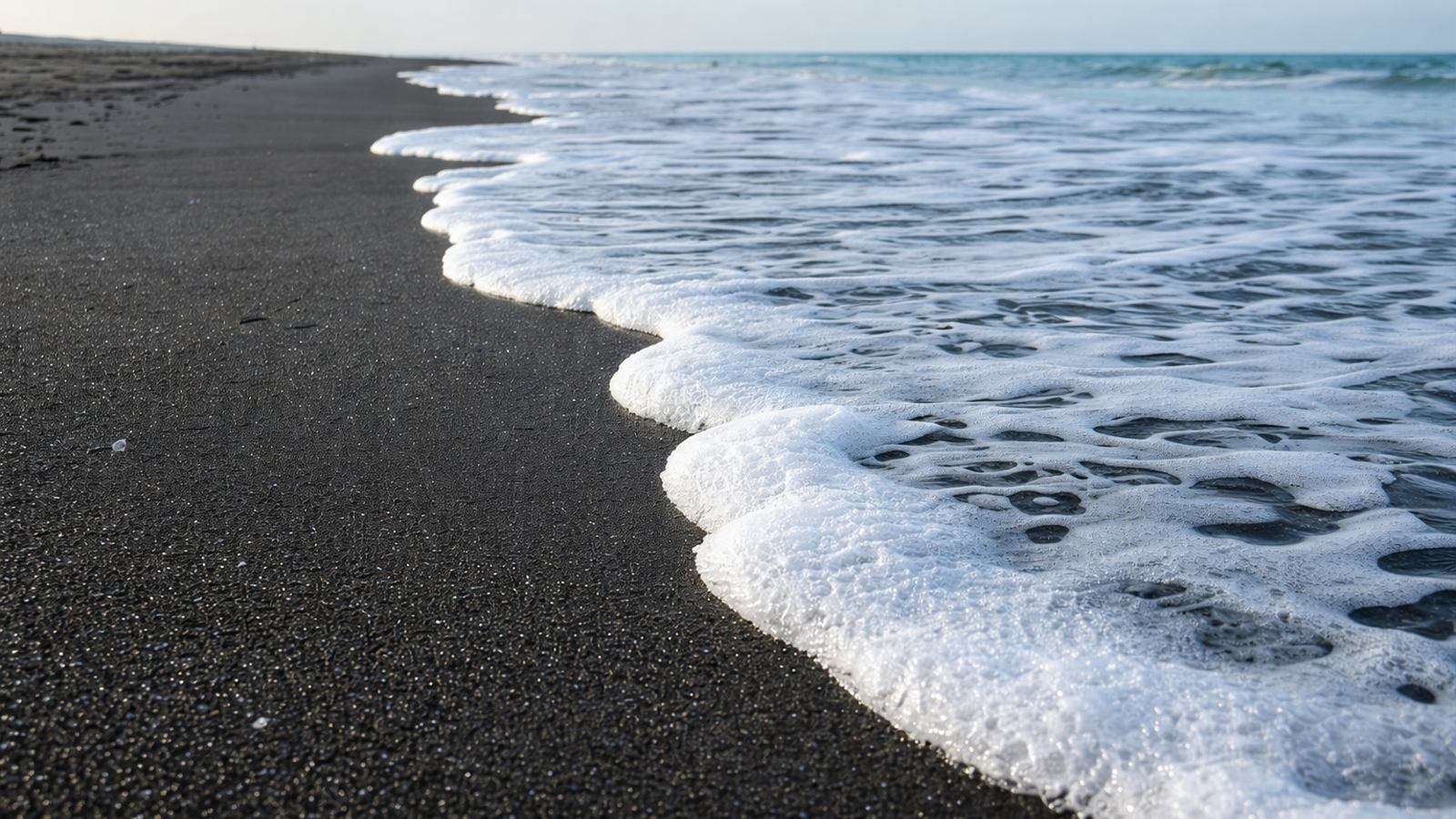
For those who prefer a more natural and free experience, Ostia offers several free beach areas that represent an interesting alternative to private beach clubs. The most fascinating feature of some of these areas is the presence of black volcanic sand, a geological phenomenon that makes this stretch of the Lazio coast truly unique.
The black sand at Ostia derives from the mineral composition of the soil and the ancient volcanic activity of the region. This particular coloring creates a striking contrast with the blue of the sea and gives the beach a wild, unspoiled character. Many visitors are drawn to this area precisely for its authentic feel, far from the standardization of organized beach clubs.
Where to find the free beaches
The main free beach areas are located near the Rotonda di Ostia and along some stretches toward Torvaianica. These areas are particularly frequented by young people, families looking for budget-friendly options, and those who practice water sports such as surfing, kitesurfing, and paddleboarding.
The free beach requires a minimum of preparation: it is advisable to bring your own umbrella, towels, water, and everything you need for the day. There are no private restrooms or showers, but nearby bars and kiosks sell food and drinks.
Advantages of the free beach
Beyond the cost aspect, the free beach offers greater freedom of movement and the ability to choose your own preferred spot without time constraints or overly strict regulations. It is ideal for those who want to bring their dog, play group sports, or simply enjoy the sea without the restrictions of organized beach clubs.
The black sand also has a distinctive quality: it retains heat more than light-colored sand, making it warmer underfoot during the middle hours of the day. This natural phenomenon is appreciated by those seeking a natural thermal effect, but requires care during the hottest hours of summer.
The Tourist Port of Rome
A visit to the elegant Tourist Port area is a must - much like the ancient port of Ostia, it was abandoned for years and is now an ideal destination for a romantic stroll, shopping, dining, or simply enjoying the view over the boats. For a more active experience, you can also rent a boat for a few hours, taking a tour around the coast and nearby islands, or take a sailing lesson.
You can also choose between a more relaxed sightseeing trip or a more adventurous outing with snorkeling and diving. This is a unique way to see the region from a different perspective and discover hidden spots and beaches that are inaccessible by land.
Restaurants and nightlife at the port
The Tourist Port is home to numerous quality restaurants offering both traditional Roman cuisine and seafood specialties. The area becomes particularly lively at sunset, when residents and visitors pour onto the quay for aperitivos with a view of the sea.
Many venues offer outdoor seating where you can enjoy raw seafood platters, mixed fried fish, and gourmet dishes prepared by skilled chefs. The atmosphere is cosmopolitan and refined, very different from the more informal setting of the trattorias in the center of Ostia.
Events and shows
Throughout the year, the Tourist Port hosts various nautical events, craft markets, and summer concerts. These events help keep the area lively and attractive even for those who are not particularly interested in sailing.
Church of Santa Maria Regina Pacis
The church of Santa Maria Regina Pacis, which stands atop a staircase with its facade facing the sea, is not just one of the historic churches found in many Italian cities. It was originally conceived in 1916 as a votive offering to the Virgin Mary, asking for her help to end the First World War and bring peace.
It is a unique and enchanting place through which you can witness years of history, well worth visiting at least once.
Architecture and interior decorations
The interior of the church features decorations of notable artistic value, with frescoes depicting episodes from the life of the Virgin Mary. The stained glass windows create evocative plays of light, particularly during the morning hours when sunlight illuminates the central nave.
The church's bell tower is visible from several areas of Ostia and serves as a landmark for orientation in the neighborhood. From the steps in front, there is a beautiful view of the sea, making this spot ideal for a contemplative pause during your visit.
The Pier
Among the things to do in Ostia is a walk along the pier. It was inaugurated in 1940, but three years later it was destroyed by German troops who were trying to prevent the landing of the Anglo-American forces that were close to liberating Rome. Today, after being restored, it is an evening meeting point for those who want to get away from the city and is certainly a place to visit for its wonderful atmosphere and romantic charm.
Sunset at the pier
The best time to visit the pier is undoubtedly at sunset, when the sky fills with shades of orange and pink that reflect on the sea. Many couples choose this spot for romantic walks, while amateur and professional photographers capture the beauty of the landscape.
During summer, the pier also becomes a gathering point for sport fishermen who pursue their hobby here during the evening and nighttime hours. The atmosphere is relaxed and convivial, with groups of friends stopping to chat while admiring the sea.
History and reconstruction
The troubled history of the pier also tells a chapter of 20th-century Italian history. Its destruction during World War II represented a significant loss for the local community, and its subsequent reconstruction was seen as a symbol of rebirth and a return to normalcy.
Today the pier is equipped with nighttime lighting that makes it visible and atmospheric even after sunset. The structure has been reinforced to withstand storms and represents an interesting feat of engineering as well as a place of leisure.
The Ostia Antica archaeological park
When you visit Ostia, you absolutely must stop by the Ostia Antica archaeological park, one of the largest ancient Rome archaeological sites. It is the remains of a castrum - a Roman military encampment - that over time developed into an important commercial center. Unfortunately, the change in the course of the Tiber River led to continuous silting of the river, and when the river was no longer navigable, Ostia began its decline.
What to see in the archaeological park
The site covers an impressive area and requires at least half a day to be visited adequately. Among the best-preserved remains are the baths, the ancient theater still used for summer performances, houses with intact mosaics, and ancient tabernae that show how daily life unfolded in ancient Rome.
Particularly fascinating is the Piazzale delle Corporazioni, a large colonnaded space that housed the representatives of merchants from across the Mediterranean. The floor mosaics in this area depict the commercial activities and naval trade routes of the era.
Tips for your visit
The park is very large and much of the visit takes place in direct sunlight, so it is essential to bring a hat, sunscreen, and water. Sneakers are a must as the paths are on compacted earth and ancient stone.
To fully appreciate the historical richness of the site, it is advisable to hire an expert guide or rent an audio guide. Many architectural and historical details risk going unnoticed without adequate explanation.
Castle of Julius II
This castle, built in the 15th century, also known as the Castle of Ostia, is an imposing fortress located near the sea that offers a wonderful panoramic view of the surrounding area. Only in the 20th century did restoration begin, and today it is a major attraction for tourists and visitors from around the world, with a small ceramics museum inside.
Renaissance military architecture
The castle is a perfect example of Renaissance military architecture. Its massive walls and corner towers demonstrate the evolution of fortification techniques in response to the introduction of firearms. The moat surrounding the structure, though now dry, gives a sense of the defensive complexity of the era.
Inside you can visit several rooms, including the armory, the soldiers' quarters, and the underground dungeons. Each space tells a story and allows you to immerse yourself in the medieval and Renaissance atmosphere.
The ceramics museum
The small museum housed inside the castle displays a collection of ancient ceramics found in the Ostia area. These finds illustrate the evolution of ceramic techniques from the Roman era to the Renaissance and testify to the commercial importance that Ostia held over the centuries.
Castel Fusano Nature Reserve
This protected natural area is located near Ostia and is ideal for hiking or cycling. It offers a break from the frenzy of the city. The park covers 1,160 hectares and throughout the year you can spot a great variety of animals such as herons, egrets, nightingales, green frogs, toads, weasels, and hedgehogs.
The vegetation is also very rich, with holm oaks, pines, and oaks several hundred years old. The area also encompasses an exceptional historical and archaeological heritage, including the Imperial Ports of Claudius and Trajan, the Via Severiana, the Villa of Pliny, the Castle of Julius II, the Renaissance Torre San Michele attributed to Michelangelo, the medieval Torre Boacciana, the medieval castles of Castel, and the paleontological sites of Castel di Guido and Malafede.
Trails and activities in the reserve
The reserve offers several marked trails of varying difficulty, suitable for both families with children and experienced hikers. The paths wind through centuries-old pine forests and wetlands, offering beautiful natural landscapes and the opportunity to observe numerous species of migratory birds.
For birdwatching enthusiasts, the reserve is an excellent destination, especially during migration seasons when the wetlands fill with various species of water birds. It is advisable to bring binoculars to observe wildlife without disturbing it.
Access and regulations
Access to the reserve is generally free, but it is important to respect the protected area regulations: you may not pick plants, disturb animals, or leave litter. Some trails may be closed during certain periods of the year to protect nesting birds.
The visitor center provides trail maps and information on local flora and fauna. Throughout the year, free guided tours and educational activities are organized for schools and groups.
Ostia Market
The local market in Ostia is an excellent place to experience Italian culture and cuisine and also pick up some cooking tips from the locals. You will find stalls with fresh fruit, vegetables, cheeses, cured meats, seafood, and local products. It is open on weekdays and offers a variety of fresh goods.
Atmosphere and tradition
The Ostia market keeps alive the tradition of Roman neighborhood markets, where the direct relationship between seller and customer creates a familiar and convivial atmosphere. Vendors are happy to give advice on how to cook their products, suggest pairings, and explain the origins of their goods.
In addition to food products, the market offers stalls selling clothing, household items, plants, and flowers. It is an ideal place to capture the spirit of local daily life and mix with the resident population.
When to visit
The market is particularly lively in the morning hours, when products are freshest and the selection is widest. Arriving early allows you to find the best deals and experience the most authentic atmosphere, when Romans shop for lunch.
Many tourists appreciate the opportunity to purchase typical local products to bring home as gastronomic souvenirs: pecorino cheeses, artisan cured meats, and preserves make authentic, quality gifts.
Paolo Toscanelli Seafront: walking and sport
The Paolo Toscanelli seafront promenade is the main artery running along the Ostia beach for several kilometers. This wide pedestrian and cycling path is perfect for a morning walk or an evening run with a sea view.
Throughout the year, but especially during the summer months, the seafront comes alive with people jogging, walking their dogs, cycling, or simply enjoying the sea breeze sitting on one of the many benches.
Cycling paths and sustainable mobility
Ostia has developed a network of cycling paths connecting different parts of the resort, making the bicycle an ideal way to get around. Along the seafront there are several bike-sharing stations where you can rent bicycles at affordable prices.
For those traveling with their own bike, the coastal route offers beautiful views and makes it easy to reach both the center of Ostia and more outlying areas such as Torvaianica.
Piazza Anco Marzio: the beating heart of Ostia
Piazza Anco Marzio is the nerve center of Ostia's social life. This large tree-lined square is home to bars, gelaterias, restaurants, and shops that make it a gathering point for both residents and tourists.
Rationalist architecture
The square is an interesting example of Italian rationalist architecture from the 1930s. The buildings surrounding it display the geometric lines and essential forms typical of that historical period, creating a coherent and harmonious urban ensemble.
Walking through the square allows you to appreciate this architectural style that characterizes much of the center of Ostia, a testament to the urban planning of the Fascist era.
Events and shows
Throughout the year, Piazza Anco Marzio hosts cultural events, craft markets, and shows that attract audiences from across the area. During the Christmas period, a characteristic market is set up with artisan products and gastronomic specialties.
The square is also the starting point for several shopping streets where you can find clothing stores, bookshops, and boutiques.
Nightlife and entertainment
Ostia offers various opportunities for those looking for evening and nighttime entertainment. Along the seafront and in the surrounding areas there are venues offering live music, beach clubs, and bars with seaside aperitivos.
Clubs and nightlife
During the summer season, several beach clubs transform into nighttime venues, offering themed evenings, DJ sets, and beach parties. These events attract young people from across Rome and create a festive, lively atmosphere.
For those who prefer quieter environments, numerous wine bars and lounge bars offer aperitivos and drinks in more relaxed settings, ideal for ending the day on a pleasant note.
Cinema and theater
Ostia also has a multiplex cinema and a theater that throughout the year hosts theatrical performances, concerts, and cultural events. The Teatro del Lido di Ostia is a reference point for the cultural life of the area and hosts quality productions.
Things to know for your trip to Ostia
Here are some tips you absolutely need to know for your visit to Ostia:
Clothing and sun protection
Bring a hat and sunscreen if you decide to visit places like the archaeological park, as it is outdoors and the area gets very hot in summer. Sun protection is also essential at the beach, whether at a club or on the free beach, especially during the middle hours of the day.
The black sand of the free beaches tends to heat up much more than light-colored sand, so sandals or flip-flops are recommended for walking during the hottest hours. For those with sensitive skin, it is also worth bringing a sarong or a light shirt to cover up after swimming.
Visit duration
Ostia Antica is fairly close to Rome; if you just want to visit it, a half-day tour should be enough. It takes about two and a half hours to visit the archaeological park with a walking guide, so wear comfortable clothing and sneakers.
If you also want to enjoy the beach and other attractions, it is advisable to dedicate a full day to Ostia. This will allow you to visit the archaeological site in the morning when it is cooler, and relax on the beach in the afternoon.
Transportation and parking
The Roma-Lido rail line is the most convenient way to reach Ostia from Rome, with frequent departures throughout the day. Trains take about 30-40 minutes from Porta San Paolo and stop at several stations in Ostia.
If you arrive by car, be aware that finding parking in summer can be difficult, especially on weekends. There are paid parking lots near the beach, but they fill up quickly on the busiest days. An alternative is to park in more distant residential areas and reach the sea on foot or by bicycle.
When to visit Ostia
The beach season runs from April to October, with the peak of crowds in July and August. If you prefer to avoid the crowds but still enjoy the sea, the months of May, June, and September offer a great compromise with pleasant temperatures and less crowded beaches.
Even in the winter months Ostia is worth a visit for those who want to enjoy walks along the seafront, visit archaeological sites in cooler weather, or simply explore the destination without the summer crowds.
Local gastronomy
Besides spaghetti alle vongole, Ostia's unmissable specialty, it is worth trying other typical dishes from the Roman seafood tradition. Mixed fried fish (fritto misto di paranza), made with small freshly caught fish, is a crispy treat to enjoy at beach kiosks or in seafront trattorias.
Ostia's restaurants also offer excellent raw seafood platters, mussel dishes, and marinated anchovies. For a more informal experience, beach kiosks serve sandwiches with fried fish, supplì, and pizza al taglio.
Services and tourist information
In the center of Ostia there is a tourist information point where you can obtain maps, opening hours for sites, and advice on current events and shows. Staff speak several languages and can help with organizing your visit.
Along the seafront you will find numerous ATMs, pharmacies, and convenience stores. Beach clubs offer restrooms, showers, and changing facilities, while free beaches have more limited services with public restrooms available at intervals along the coast.