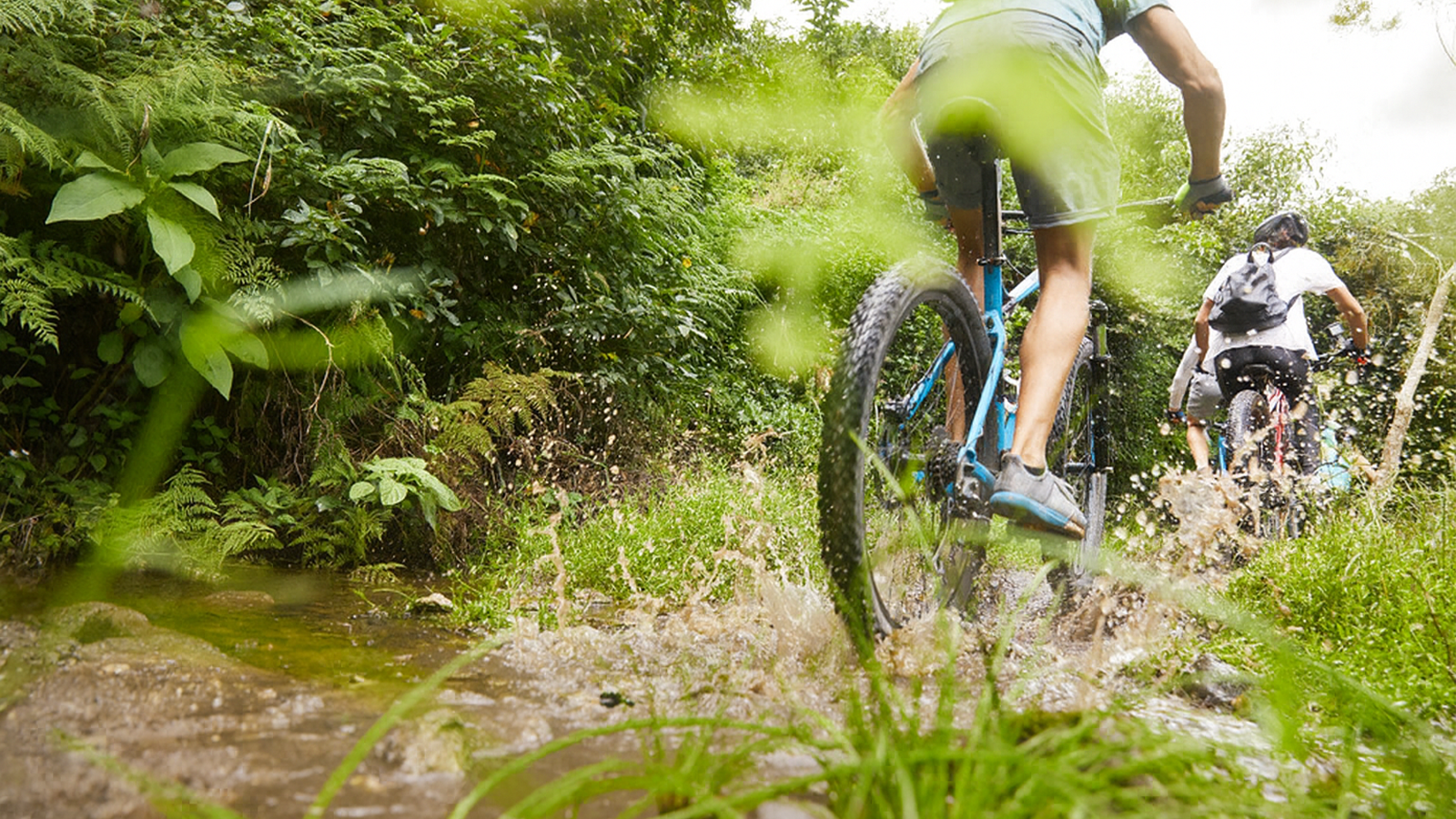

Imagine walking 7 kilometers immersed in the most authentic nature of the Roman countryside, surrounded by extraordinary biodiversity and historical evidence spanning centuries. This is the Trilussa Trail, a little-known yet captivating natural area that connects Vitinia to the historic Osteria di Malpasso.
The Forgotten History of an Extraordinary Place
The Noble Roots of the Route
The Trilussa Trail did not come about by chance. Its origin is closely tied to the Casale Malpasso, an inn that since 1910 has been a landmark for those passing through this area. In the early twentieth century, when the royal family made its entrance into the Castelporziano estate, this farmhouse served as a privileged stopping point.
But there is more. Artists, poets and writers of the era had made Malpasso their ideal rural retreat. They gathered here to discuss, write and find inspiration away from the urban chaos. The Roman countryside offered them the creative peace that Rome, even then, struggled to provide.
The Discovery That Changed Everything
An abandoned trail, now reborn.
The origin of this trail came about thanks to the Casale Malpasso, an inn now located at the end of the route and managed for generations, which often hosted the royal family when they entered the Castelporziano estate.
In the early twentieth century, this farmhouse was a gathering place for artists, poets and writers who often retreated to the countryside to discuss ideas and spend time together. Recently, however, the current owner received a call from the Museo di Roma in Trastevere, as an archive photo had emerged clearly showing Trilussa, the famous Roman poet, in the company of others right in front of the inn. Following this discovery, the president of the Vitinia neighborhood committee presented a project for a cycling and pedestrian path crossing the reserve, giving rise to the Trilussa Trail.
It was only in 2022 that the Environment and Urban Planning committee of Municipio IX officially recognized the cycling and pedestrian route. Even so, efforts are ongoing to have the trail recognized both for its environmental and historical value, as it contains World War II structures and archaeological areas along its length.
The Goals of the Revitalization Project
The development of this area has as its primary goal the promotion of initiatives to encourage tourism along the entire Trilussa Trail, in order to guarantee free access and enjoyment for everyone in these protected natural areas.
Today the trail represents much more than a simple nature path. It is a green corridor connecting history, culture and environment, offering Romans and tourists a unique experience just outside the city. The enhancement work continues: information panels have been installed, equipped rest stops have been set up and the more difficult stretches have been improved to make them accessible to all.
Trilussa: The People's Roman Poet
Who Was Carlo Alberto Salustri
The famous Roman poet Trilussa and the trail dedicated to him.
Trilussa remains one of Italy's most beloved and influential poets. Born Carlo Alberto Salustri in 1871, Trilussa emerged as a literary figure whose verses captured the essence of Roman life and the struggles of ordinary people, giving his work a sense of authenticity and familiarity. His unique writing style, characterized by a subtle blend of humor, satire and the use of the Roman dialect, revolutionized the Italian literary scene during the 1900s.
His verses were concise yet powerful, conveying touching messages with a few well-chosen words. Trilussa had a talent for finding humor in the mundane and capturing the essence of human experiences in a relatable and engaging way.
The Connection with Malpasso
During his life the famous poet frequented the Osteria di Malpasso, which has been in operation since 1910 and is today located at the end of the Trilussa Trail.
Here Trilussa found the genuine atmosphere that fueled his inspiration. Seated at the inn's tables, he observed people, listened to their stories, and absorbed the nuances of Roman speech that he then poured into his poetry. He was not an occasional visitor: Malpasso represented for him a place of the soul, where authentic Roman character expressed itself without filters.
A Literary Legacy That Lives On Today
The choice to name this trail after Trilussa is no coincidence. Just as the poet knew how to tell the story of Rome through dialect and everyday life, this route tells the story of the Roman countryside in its most authentic form. Walking its 7 kilometers, you can almost hear the echo of Trilussa's verses describing these very landscapes, these very atmospheres, this nature that resists time and modernity.
A Territory Rich in Historical Layers
Three Nature Reserves Converging
The area
The trail was created by the Vitinia Committee and borders no fewer than three other protected areas: the Riserva Litorale Romano, the Tenuta presidenziale di Castelporziano nature reserve and the Parco Regionale di Decima Malafede.
This strategic position makes the Trilussa Trail an ecologically vital corridor. Animals can move freely between the different protected areas, ensuring a genetic flow essential for species survival. For us as visitors, it means passing through different microenvironments within just a few kilometers, with a surprising variety of landscapes.
Traces of War and Military Depots
The route also borders a military area, a vast expanse of greenery transformed by wartime use into a fuel depot. Within it, nature attempts to reclaim its place over history, even over the ancient Roman villa once belonging to Lucio Fabio Cilone, senator and friend of Emperor Septimius Severus.
Walking along certain stretches, you can still spot signs of the Second World War. Half-buried bunkers, reinforced concrete structures overgrown with vegetation, traces of what was once a defensive or logistical system. Nature is slowly reclaiming these spaces, but the scars of history remain visible, telling dramatic chapters of our recent past.
Hidden Roman Archaeological Treasures
Furthermore, excavations in this area have brought to light mausoleums and sarcophagi, suggesting the presence of a burial ground where, according to literary sources, the remains of Saint Cyriacus are located.
The archaeological area linked to Lucio Fabio Cilone is one of the most interesting discoveries. This Roman senator, who lived between the 2nd and 3rd centuries AD, owned a substantial villa here. Excavations have revealed mosaic floors, remains of private baths and a sophisticated water system. But it is the necropolis associated with the villa that most captures archaeologists' attention.
The Volcanic Geosite
Along the Trilussa Trail there is also a geosite, located near the intersection of Via del Risaro and Via Massa Fiscaglia, with an overall length of approximately 10 meters.
It consists of a massive pyroclastic deposit, attributable to a large-volume eruption of the Colli Albani volcano.
This geological outcrop is a time window that takes us back hundreds of thousands of years. By observing the layers of volcanic material, you can read the eruption history of the Colli Albani as if it were an open book. The gray and reddish hues of the rock, the grain of the pyroclastic material, all tell of violent explosions that shaped this territory long before Rome existed.
The Biodiversity of the Trilussa Trail
Mammals and Wildlife
A taste of the fauna and biodiversity.
The area hosts a diverse range of wildlife; it is common to spot wild boars, free-grazing cattle and horses, as well as herons, mallards and water rails. There are also numerous plant species along the route, such as the holm oak, black walnut, white willow and English oak, to which Trilussa himself dedicated one of his poems.
Wild boars are the most elusive yet most common inhabitants. You often encounter them at dawn or dusk, when they leave the denser areas to search for food. Never approach them, especially if there are young nearby: always keep a safe distance and enjoy the spectacle of wildlife in its natural habitat.
The free-grazing cattle and horses create an almost western atmosphere. These animals live in semi-natural conditions, also contributing to land management through controlled grazing that prevents excessive shrub growth.
Birds and Waterfowl
Gray herons are the lords of the wetland areas along the route. These elegant wading birds hunt fish and amphibians with slow and precise movements, offering a rare and beautiful natural spectacle. If you have binoculars, this is the right place to bring them.
Mallards populate the quieter stretches of water, while water rails, shyer and more reserved, prefer the dense riparian vegetation. With patience and silence, you can also spot moorhens, coots and, during migration periods, rarer species that use this area as a transit corridor.
Botanical Richness
The vegetation of the Trilussa Trail tells the story of the Roman countryside. The holm oak, an evergreen typical of Mediterranean scrubland, coexists with introduced species such as the American black walnut, a legacy of past reforestation efforts.
The white willow marks watercourses and wetland areas, its flexible branches having provided basket-weaving material for centuries. The English oak, by contrast, is a rarer species in this area, and therefore all the more precious. Trilussa dedicated memorable verses to them, celebrating the majesty and longevity of these monumental trees.
Educational Panels and Nature Information
For all the flora and fauna present, you can find plenty of information on the signs located along the route, which provide enthusiasts with detailed descriptions, habitat information, origins and numerous illustrations, allowing you to better understand your surroundings. In addition to these signs, notices reminding visitors not to litter are also posted along the route, out of respect for the environment and to protect this place for ourselves and future generations.
The panels have been designed to be accessible to all, with clear text and quality illustrations that help even those less familiar with nature to identify the species present. Some panels include QR codes linking to additional multimedia content: photos, videos, recordings of birdsong.
Bug Hotels: Shelters for Small Wildlife
Along the trail there are also several "bug hotels," which are artificial shelters for insects. Having one in your garden or vegetable patch is like welcoming an army of allies in the biological fight against many plant infestations such as aphids and scale insects. They are also very important for defending biodiversity. All living beings have a role in nature, insects included, and losing their variety and richness through the overuse of pesticides posts a serious harm.
These small ecological hotels are wooden structures with holes of various sizes, filled with natural materials such as bamboo canes, drilled wood, pine cones and bark. Each "room" is designed to host specific insects: solitary bees, ladybugs, earwigs, lacewings - all extremely useful insects for ecological balance.
Watching an occupied bug hotel is a fascinating experience. You can see solitary bees entering and leaving the holes, carrying pollen to feed their larvae. Or ladybugs sheltering for the winter, huddled in small groups to protect themselves from the cold.
The Teatro Gigi Proietti: Culture in the Greenery
A Tribute to a Great Roman Artist
Teatro Gigi Proietti
Along the Trilussa Trail there is also an area called the Teatro Gigi Proietti. This space features chairs, tables, a chessboard and a colorful raised platform, resembling an open-air theater. This spot was dedicated to Gigi Proietti, an actor, comedian, singer, television presenter and much more, because he embodied great values - a true lover of culture who made Trilussa's poems his own. Trilussa wrote about life, society and politics with a melancholic tone.
The Teatro Gigi Proietti is not just a physical space but represents the cultural soul of the trail. Poetry readings, small concerts and open-air theatrical performances are organized here, bringing back to life the atmosphere of the gatherings that animated these places a century ago.
A Community Gathering Space
The giant chessboard attracts enthusiasts of all ages. It is wonderful to see grandparents teaching grandchildren chess moves, or groups of friends challenging passing strangers. The tables and chairs invite visitors to linger, have a snack and chat without hurry.
The small colorful platform becomes a stage for anyone who has something to say or share. On fine days it is not uncommon to find improvised musicians, amateur poets or storytellers who animate this space with creativity and spontaneity.
Cultural Events and Local Initiatives
The Vitinia Committee periodically organizes cultural events in this area. From readings of Trilussa's poetry to outdoor movie evenings, to family and children's activities. The Teatro Gigi Proietti is proof that culture and nature can coexist perfectly, each enriching the other.
Practical Tips for Visiting the Trail
Recommended Equipment
Things to know
Here are some things to know before hiking the Trilussa Trail: wear hiking boots.
The trail surface ranges from well-trodden sections to more uneven areas where roots and stones make walking less straightforward. Boots with a good non-slip sole and ankle support are the best choice, especially after rain when the ground can become muddy.
Bring enough water and a packed lunch
Along the route there are no drinking fountains or refreshment points before reaching the Osteria di Malpasso. Bring at least one and a half liters of water per person, especially in the warmer months. A packed lunch is a must: the equipped benches offer ideal rest stops for a reviving break surrounded by nature.
Social and Community Aspects
The trail is a true meeting place for all residents of Vitinia, making it a great area for meeting new people, as well as ideal for children to play with the various items available, including chairs, tables and chessboards.
The community dimension is one of the most appealing aspects of the Trilussa Trail. Conversations start easily here, tips are exchanged about routes and wildlife sightings, experiences are shared. For children it is a natural playground where they can learn to respect the environment while having fun.
The Little Free Libraries
Along the route there are also numerous benches with little book houses next to them, from which you can borrow books, or, if you have books you no longer read or want to keep, you can leave them for others.
These small outdoor libraries operate on the bookcrossing principle: take a book, leave a book. The initiative has been an extraordinary success. TThe little houses are often stocked with a variety of titles, from classics to contemporary novels, nature guides and poetry collections.
It is wonderful to sit on a bench, browse a book while the wind rustles the leaves of the trees, and feel part of a community of readers who share a passion for culture and nature.
How to Get to the Trilussa Trail
Connections with Rome
Reaching the Trilussa Trail is straightforward thanks to the Rome-Lido railway line. Get off at the Vitinia stop and a short walk brings you to the trail entrance. The convenience of the connections makes this trail accessible even to those without a car.
If you are traveling by car, you can park near the Vitinia station or in some designated areas signposted along Via del Risaro. On weekends, especially in spring and fall, arriving early is advisable to find a spot.
Universal Accessibility
The focus on accessibility is one of the strengths of the Trilussa Trail. The main sections can also be navigated with strollers and wheelchairs, allowing everyone to enjoy the area's natural beauty. Some of the more challenging areas offer alternative routes to ensure continuity of the path.
For those with dogs, this is a paradise: they are welcome and you will find many other owners with their four-legged companions. Always remember to bring waste bags and keep your dog on a leash in busier areas out of respect for other visitors and the local wildlife.
The Future of the Trilussa Trail
Expansion Projects
Local institutions are working on expansion projects that foresee connections with other nature trails in the area, creating a true network of paths that could encompass the entire southern suburbs of Rome. The goal is to enhance this natural and cultural heritage by making it increasingly accessible and well known.
Plans are also being discussed to implement services such as bicycle rentals, themed guided tours and educational programs for schools. The Trilussa Trail could become a reference point for environmental and historical education in the greater Rome area.
Conservation Challenges
Maintaining a nature trail requires constant commitment. The Vitinia Committee and local volunteers organize cleaning and maintenance days, but the cooperation of all visitors is also essential. Respecting nature, not leaving litter and not damaging vegetation are key behaviors for preserving this treasure.
The official recognition of the trail for both its environmental and historical value would be a fundamental step toward accessing funding and resources for its protection. The archaeological evidence and wartime structures present here deserve proper enhancement that could transform the trail into a true open-air museum.
When to Visit the Trail
The Ideal Seasons
Each season shows a different face of the Trilussa Trail. Spring explodes with color as flowers bloom and nesting birds sing. The mild temperatures make walking pleasant and nature is at its most vital.
Fall brings melancholic atmospheres that Trilussa himself would have appreciated. The changing leaf colors, the low-angle sunlight filtering through the branches, the fresh clean air create perfect scenery for photography and moments of reflection.
Summer requires a few extra precautions for the heat, but the shaded areas provide shelter and early mornings offer extraordinary wildlife sightings. Winter, finally, shows the trail in its most essential state, with an austere beauty that reveals the structure of the landscape without the distraction of foliage.
Recommended Hours
The best hours to walk the trail are early morning or late afternoon. At these times wildlife is more active, the light is perfect for photography and there are fewer visitors. During the central hours of a summer day, the heat can make it less pleasant, although the wooded areas always offer some relief.
Sunset on the Trilussa Trail is a spectacle not to be missed. The colors of the sky reflected in the wetland areas, the silhouettes of the trees against the red of the setting sun, the silence that slowly wraps around the landscape create an unforgettable experience.