The World's First Public Museum
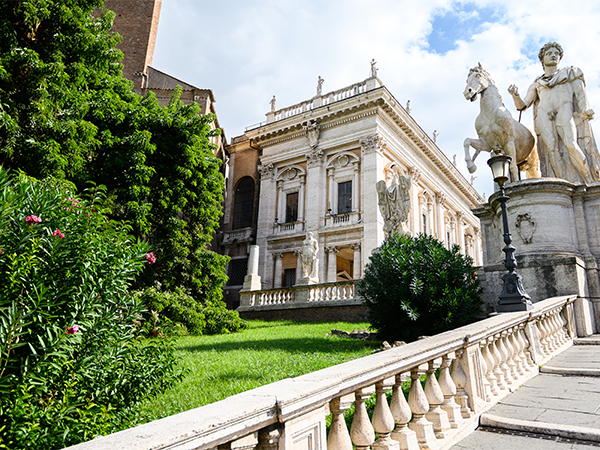
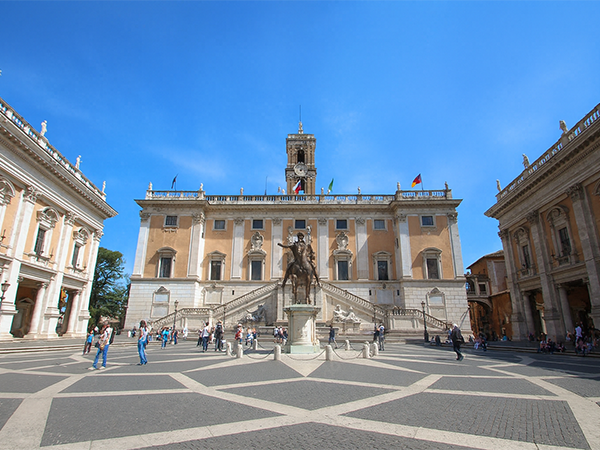
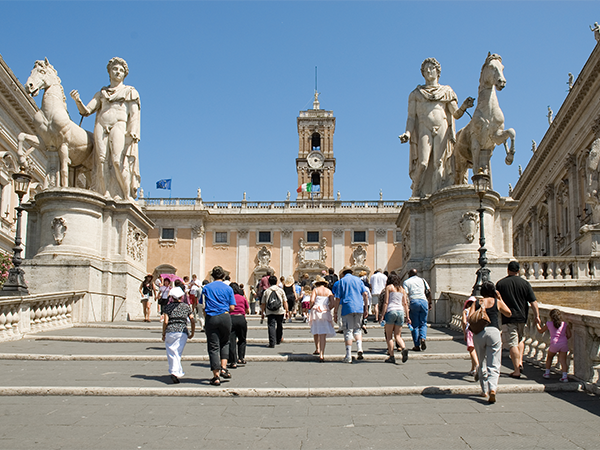
The Musei Capitolini represent one of the most extraordinary cultural institutions in Rome and the entire world. Located in the heart of the eternal city, on the majestic Piazza del Campidoglio designed by Michelangelo, these museums hold the distinction of being the world's first public museum institution, officially opened to visitors in 1734 under the pontificate of Pope Clement XII. However, their history reaches even further back in time, to 1471, when Pope Sixtus IV decided to donate to the Roman people a precious collection of ancient bronzes that had until then been kept at the Lateran, laying the foundations of what would become a museum complex of extraordinary cultural importance.
Why They Are Called Musei Capitolini
The plural name is no coincidence: the institution is called Musei Capitolini because during the 18th century the original collection of ancient sculptures was joined by the Capitoline Picture Gallery, established by Pope Benedict XIV, which enriched the holdings with paintings devoted primarily to Roman subjects. This dual artistic identity still characterizes the museum complex today, which spans a total exhibition area of nearly thirteen thousand square meters, making it Rome’s main civic museum complex and an integral part of the Sistema Musei di Roma Capitale.
The Architecture and Historic Buildings
The architecture of the museum complex is itself a work of art. The collections are housed primarily in two historic buildings that, together with Palazzo Senatorio, define the perimeter of the Michelangelo-designed square: the Palazzo dei Conservatori and the Palazzo Nuovo. These two palaces are connected by a evocative underground passageway that houses the Galleria Lapidaria and leads to the ancient Tabularium, whose monumental arches open onto a spectacular view of the Roman Forum, creating an ideal bridge between the different historical layers of Roman history.
The Palazzo Nuovo and Ancient Sculptures
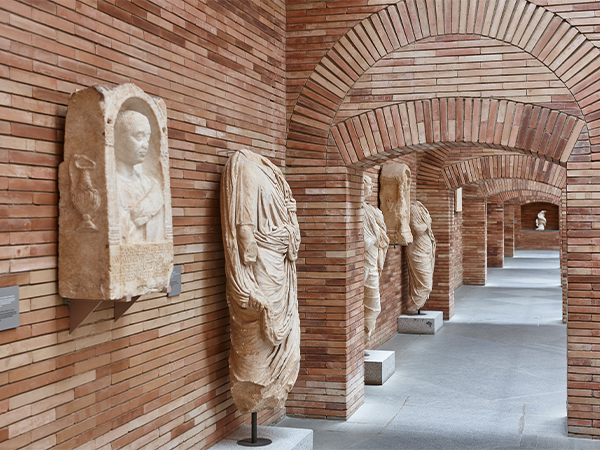
The Palazzo Nuovo preserves collections of ancient sculptures that bear witness to the collecting tastes of the great noble families of past centuries. The museum layout, which has remained largely unchanged since the 18th century, gives the visit a particular charm. Among the treasures on display stand out the celebrated collections of busts of Roman philosophers and emperors, offering an extraordinary iconographic repertoire of antiquity. The statue of the Dying Gaul, a masterpiece of intense dramatic power, and the Capitoline Venus, a symbol of classical grace and elegance, represent some of the highlights of the exhibition route. In the courtyard, the imposing figure of Marforio, one of Rome's so-called talking statues, dominates the space and welcomes visitors into the evocative atmosphere of the museum.
The Palazzo dei Conservatori and Its Masterpieces
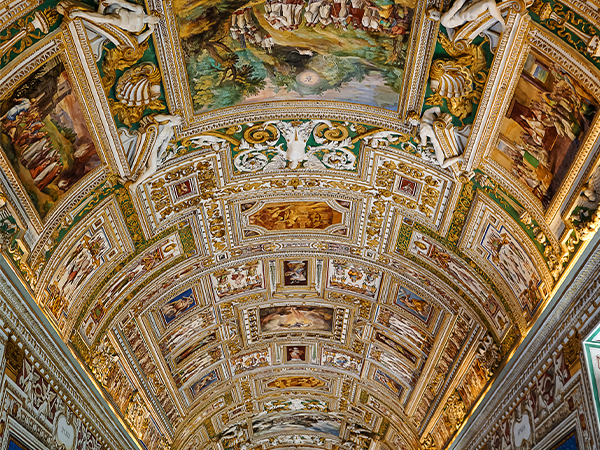
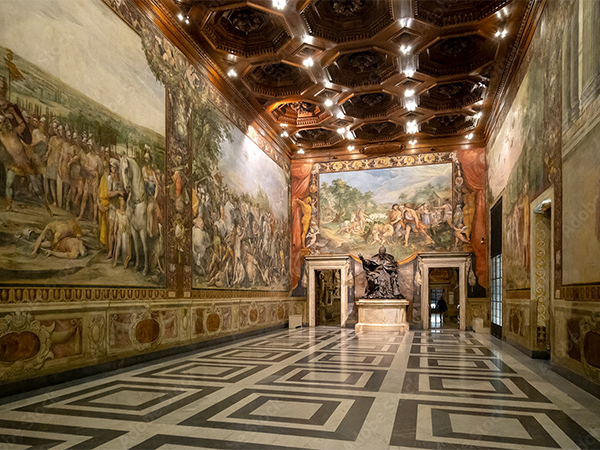
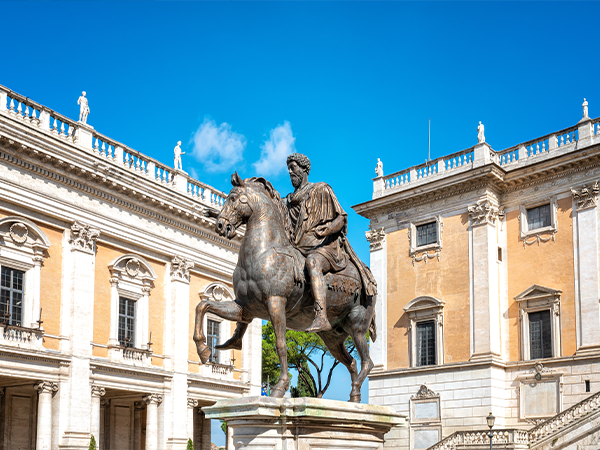
The Palazzo dei Conservatori reveals in the rooms of the Appartamento the original architectural core of the building, enriched by magnificent frescoes depicting episodes from the history of Rome. Here are kept the world-famous Capitoline bronzes, enduring symbols of the city: the Capitoline Wolf, the iconic emblem of Rome that according to tradition nursed Romulus and Remus; the Spinario, depicting a young boy removing a thorn from his foot; and the Capitoline Brutus, a portrait of extraordinary psychological intensity. The large glass-enclosed hall recently created on the first floor houses one of the most precious treasures: the bronze equestrian statue of Marcus Aurelius, originally placed at the center of the Capitoline square, flanked by the imposing remains of the Temple of Jupiter Capitolinus and a section dedicated to the earliest origins of the Capitoline Hill.
The Capitoline Picture Gallery
The Capitoline Picture Gallery, located on the second floor of the Palazzo dei Conservatori, offers a chronological journey spanning the centuries from the late Middle Ages to the 18th century. Works of absolute importance in the history of Italian and European art are on display here. Highlights include masterpieces by Caravaggio, among them the Fortune Teller and Saint John the Baptist, the monumental canvas by Guercino depicting the Burial of Saint Petronilla, and a substantial group of paintings by Guido Reni and Pietro da Cortona that testify to the excellence of Roman Baroque painting.
The Coin Collection and Palazzo Caffarelli-Clementino
The Palazzo Caffarelli-Clementino houses the Capitoline Coin Collection, a precious assemblage of coins, medals, gems and jewelry that documents the history of coinage and goldsmithing across the centuries. This building also serves as the venue for temporary exhibitions, which continuously enrich the museum's cultural offerings with shows of international renown.
The History of the Collections
The history of the Musei Capitolini is marked by significant milestones that have shaped their current identity. After the initial donation by Sixtus IV, the collections grew progressively richer through the acquisition of works from excavations carried out in Rome, transfers from the Vatican and important purchases. In 1734, the acquisition of the prestigious collection of Cardinal Alessandro Albani represented a decisive turning point, not only for the artistic value of the pieces, but also because it established the revolutionary principle of the non-exportability of archaeological and artistic heritage of national significance - a concept that was far from obvious at the time and anticipated modern cultural heritage protection legislation.
The Napoleonic Era and the Recovery of the Works
During the French occupation between 1796 and 1815, numerous works were taken to the Musée Napoleon following the Treaty of Tolentino. Masterpieces such as the Spinario, the Capitoline Venus, the Capitoline Brutus and the Dying Gaul were transferred to Paris, but fortunately were returned thanks to the Congress of Vienna and the decisive intervention of Antonio Canova, delegated by the Holy See to recover the works removed during the Napoleonic spoliation. After the unification of Italy, excavations carried out for the construction of the new capital brought to light enormous quantities of archaeological material, which further enriched the museum collections.
What the Musei Capitolini Do Today
Today the Musei Capitolini stand as a cutting-edge cultural institution that combines the preservation of historical and artistic heritage with a dynamic and innovative exhibition program. The museum regularly organizes high-profile temporary exhibitions that engage with the permanent collections, creating original thematic routes and offering new perspectives on the ancient heritage. Educational activities for schools and the general public help make the rich patrimony accessible and understandable, while scientific research initiatives and international collaborations confirm the central role of the Musei Capitolini in the global cultural landscape.
Accessibility and Public Initiatives
Accessibility is a core value for the Musei Capitolini, which are committed to making the heritage available to the widest possible audience. The free first Sunday of the month initiative, together with the MIC Card that provides unlimited access for twelve months to all museums in the Sistema di Roma Capitale, demonstrate the commitment to removing economic barriers and encouraging the cultural participation of all citizens and visitors.
A Journey into Roman Civilization
The Musei Capitolini represent far more than a simple collection of works of art: they are a place where historical memory intertwines with the present, where every sculpture, every painting, every artifact tells a story that spans millennia. Visiting these museums means embarking on a fascinating journey into Roman civilization, discovering the cultural roots that have shaped European and Mediterranean identity. It is an experience that allows you to understand how ancient art continues to speak to the present, inspiring artists, scholars and visitors of every background and generation.