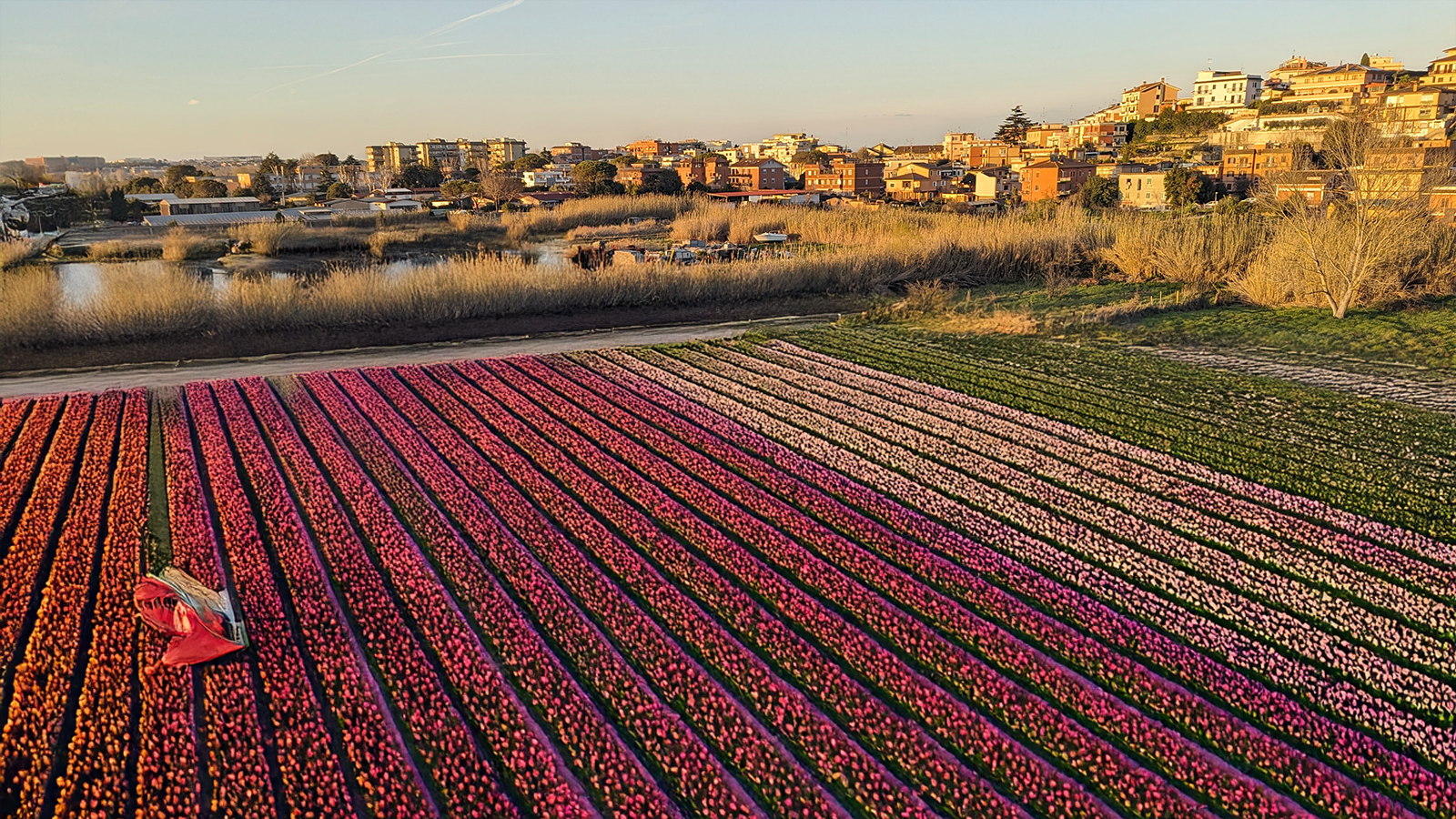

When you think of Rome, your mind immediately jumps to its most celebrated wonders: the Colosseum, the Imperial Forums, Piazza Navona. Yet the Italian capital hides corners less frequented by mass tourism - places where Roman authenticity reveals itself in all its genuine spirit. Among these, Vitinia is a pleasant surprise for anyone who wants a different kind of experience.
Why choose Vitinia for your visit
Before diving into the specific attractions, it is worth understanding what makes Vitinia an interesting destination. This neighborhood represents the essence of residential Rome, the Rome that lives its daily life far from traditional tourist circuits.
A smart alternative to the center
Many travelers find themselves overwhelmed by the confusion of the historic center: long lines at monuments, inflated prices, difficulty finding a moment of peace. Vitinia offers a perfect counterpoint to this experience. Here you can discover authentic Roman life - the kind shaped by local markets, bars where everyone knows each other, and squares where children play in the afternoon.
The neighborhood's strategic location also makes it easy to reach both the center and the Ostia coastline. This means you can plan flexible itineraries, alternating cultural visits with moments of relaxation, without getting stuck in city traffic.
A neighborhood on a human scale
Vitinia's manageable size is another advantage. You can explore the neighborhood on foot with no difficulty, discovering characterful corners and enjoying the pleasure of walking without rushing. There are no hordes of tourists to compete with for a photograph, no street vendors constantly pestering you.
This human scale also makes it easier to interact with residents. The Romans of Vitinia are generally approachable and friendly, happy to share a tip on where to eat or what to see. It is precisely this authentic contact with the local population that enriches a trip, transforming it from a simple tourist visit into a cultural experience.
The twentieth century: from war to rebirth
In the modern era, as the city of Rome expanded, the Fascist regime launched several development projects for Rome's suburbs, including the Vitinia neighborhood - which is in fact the oldest of Rome's post-war districts. To learn more about the complete history of Vitinia, from the Roman necropolises to the World War II fortifications, read our dedicated article.
What to do and see in Vitinia
Now let us get to the heart of things, exploring the attractions and activities that make Vitinia an interesting destination. The neighborhood offers several opportunities to spend your time pleasantly, whether you are a nature lover, an art or culture enthusiast, or simply someone who enjoys good food.
The Trilussa Trail: nature and poetry
For those who love nature or are looking for peace and quiet, Vitinia is home to the Trilussa Trail, a nature path of about 7 km that can be walked or cycled, dedicated to the most famous Roman poet Carlo Salustri. It is an ideal and enjoyable place for strolling, picnicking or simply relaxing outdoors.
Features of the route
The Trilussa Trail winds through varied landscapes, offering natural views that are surprisingly beautiful given the proximity to a major metropolis. The route is well maintained and suitable for all fitness levels, making it perfect for both families with young children and more experienced athletes.
During spring and autumn the trail is particularly enchanting. The Mediterranean vegetation bursts into a range of colors and scents, while the mild climate invites long walks. In the summer months, the early morning hours or late afternoon are the ideal times to walk it, avoiding the hottest part of the day.
A tribute to Trilussa
The dedication to Carlo Alberto Salustri, better known as Trilussa, is no coincidence. This poet represents the most genuine soul of Roman spirit - the kind shaped by irony, folk wisdom and a love of life. Walking a trail dedicated to him means immersing yourself in that Roman spirit that still characterizes neighborhoods like Vitinia today.
Along the route, information panels recount anecdotes from the poet's life and feature some of his most celebrated poems. It is an original way to combine physical activity, contact with nature and culture, creating a complete and enriching experience.
Activities along the trail
The Trilussa Trail is not just for walkers or cyclists. Many locals use it for their morning jog, finding it a more enjoyable alternative to the monotony of a gym. Others come here with their dogs, taking advantage of the open spaces where animals can run freely.
The picnic areas are particularly popular on weekends. Families and groups of friends meet here for outdoor lunches, enjoying the tranquility and greenery. It is a very Roman custom that allows people to socialize in a natural, relaxed setting.
For photographers, both amateur and professional, the trail offers numerous opportunities. The light at sunset, in particular, creates magical atmospheres, with plays of shadow and color that transform the landscape into an ideal subject for striking shots.
Churches: architecture and spirituality
Vitinia is home to several interesting churches, including the Sacro Cuore di Gesù Agonizzante church. This religious building can be a fascinating place to visit for those who have a passion for religious architecture, and it is also a symbol of community gathering for the entire neighborhood.
The Sacro Cuore di Gesù Agonizzante church
Built in 1955, this church represents far more than a simple place of worship. Its construction marked a crucial moment in the development of the neighborhood, becoming the reference point around which the local community organized and defined its identity.
The architecture reflects the style of the period, with the sober, essential lines typical of post-war Italy. The interior, despite its simplicity, conveys a sense of quiet reflection and peace. The decorative elements, while not lavish, were crafted with care and attention to detail.
The social role of neighborhood churches
Visiting the Sacro Cuore church means understanding the social role these buildings have always played in Rome's suburbs. They are not simply places of prayer, but true community hubs where activities are organized for all ages.
Throughout the year, the parish coordinates cultural events, meetings, activities for young people and solidarity initiatives. The patron saint feast days, in particular, represent moments of great community participation, when the entire neighborhood comes alive with stalls, music and religious celebrations.
For the visitor, attending a mass or simply walking in during the day provides a glimpse of authentic local life. The church remains a place where Romans meet, get to know one another and share joys and sorrows. It is a window into the human fabric of the neighborhood that enriches any understanding of its social life.
Other religious presences
In addition to the main church, Vitinia is home to other small places of worship and popular devotion. Roadside shrines, small chapels and votive images dot the neighborhood, bearing witness to the widespread religiosity typical of Roman culture.
These elements, often overlooked by hurried visitors, tell stories of personal and communal devotion. Many are maintained and cared for by the residents themselves, who light candles and bring flowers, perpetuating ancient traditions.
Restaurants and cafes: authentic Roman cuisine
As in many other parts of Rome, you can find a variety of restaurants and cafes in Vitinia, allowing you to savor genuine Italian cuisine and enjoy delicious meals immersed in the typical Roman atmosphere - one that will make you feel right at home.
Neighborhood trattorias: where Romans eat
Forget tourist restaurants with menus translated into five languages and inflated prices. In Vitinia you will find the real trattorias - the ones frequented by local residents, where the cooking is home-style and the dishes follow traditional recipes.
Here you can taste the classics of Roman cuisine prepared the right way: creamy carbonara without cream, amatriciana with crispy guanciale, cacio e pepe stirred to perfection. Portions are generous, prices honest, and the atmosphere is family-friendly.
The restaurant owners know many of their customers personally. It is not uncommon to hear exchanges of banter, recommendations about the daily specials, or debates about soccer or politics. This informality creates a welcoming atmosphere where you feel like a guest rather than just another customer.
The bars: the beating heart of social life
Vitinia's bars deserve special mention. They are not simply places to grab a coffee, but genuine social centers where the neighborhood's relationships are woven. In the morning they are packed with people having breakfast before work; in the afternoon they become gathering spots for elderly locals playing cards; in the evening they come alive with aperitivo hour.
Espresso at the counter is a sacred ritual for Romans. Fast, intense, often accompanied by a still-warm cornetto. Baristas are key figures - confidants, dispensers of advice, always ready with a quip or a word of comfort.
For the visitor, stopping at a local bar is a precious opportunity. Here you can observe everyday Roman life, listen to conversations in dialect, and feel the rhythm of the day. It is urban anthropology in its most direct and accessible form.
Specialties not to miss
Beyond the classic dishes of the Roman tradition, in Vitinia you can also find lesser-known but equally delicious specialties. Pizza bianca, simple but perfect with its golden crust and soft center, is an ideal snack at any hour. Filled with mortadella it becomes a complete and flavorful meal.
Suppli - fried rice balls filled with mozzarella - are another must. The ones in Vitinia respect the traditional recipe, with ragu rice and the melting center that stretches when you bite into them. Perfect as a starter or a quick snack. To discover more authentic restaurants in Rome, check out our guide curated by local experts.
Homemade desserts, such as visciole cherry tarts or pangiallo during the holidays, round out the culinary offer. Many bars and pastry shops still prepare these sweets following ancient recipes passed down from generation to generation.
When and where to eat
Mealtimes in Rome follow traditional rhythms. Lunch is usually eaten between 1:00 PM and 3:00 PM, while dinner rarely begins before 8:00 PM. Arriving too early might mean finding places still closed or nearly empty.
For an authentic experience, avoid asking for excessive modifications to traditional dishes. Roman cooks are proud of their recipes and may not appreciate requests for substantial changes. If you have intolerances or allergies, communicate them clearly and they will be happy to help you.
The coperto - the small charge added to the bill for bread and service - is a standard and legal practice in Italy. It should not be confused with a tip, which remains optional even if it is appreciated for particularly good service.
Transport: getting to and from Vitinia
Vitinia is connected to Rome's public transport system, making it easy to reach other parts of the city. It is served by a railway station - the Vitinia stop on the Rome-Lido line - which connects the neighborhood to central Rome and other destinations.
The Rome-Lido railway: a vital artery
This railway line is the main link between Vitinia and the rest of the city. Trains run at regular intervals throughout the day, making travel simple and predictable. The journey to the main central stations takes around 30-35 minutes - a perfectly acceptable time given the distance.
Vitinia station is easy to find and well signposted. During rush hours, trains can be crowded with commuters, but the situation improves considerably during off-peak hours. For tourists, traveling outside the busiest time slots provides a more comfortable experience.
Bus connections
In addition to the railway, several bus lines serve the neighborhood, connecting it to other parts of Rome's suburbs and creating a capillary transport network. These buses are particularly useful for reaching destinations not directly served by the rail line.
Timetables and stops are shown at the bus shelters, though punctuality can vary depending on traffic. A practical tip: download the official Rome transport app on your smartphone. It will let you plan routes, check real-time timetables and receive notifications about any service disruptions.
Tickets and passes
Rome's ticketing system is integrated, allowing you to use the same ticket on buses, trams, the metro and the urban railway. Single tickets are valid for 100 minutes from validation and allow unlimited transfers between different modes of transport (but only one metro journey).
For those who plan to travel frequently, daily, weekly or monthly passes are available and work out cheaper. They can be purchased at stations, newsstands, tobacconists or via app. Always remember to validate your ticket before boarding, as inspections are frequent and fines are steep.
By car or by bike
If you are traveling by car, Vitinia offers better parking options than the center. However, bear in mind that Roman traffic can be demanding, especially during rush hours. Many visitors choose to leave their car in Vitinia and then use public transport, avoiding the stress of driving in the city.
The bicycle is an eco-friendly and healthy alternative for exploring the neighborhood and its surroundings. The Trilussa Trail is particularly well suited for cycling excursions, while getting around the neighborhood on two wheels lets you discover corners that other forms of transport would cause you to miss.
Vitinia, a cat colony: a unique feature
The official symbol of Rome is the she-wolf, but anyone who strolls through the center of Rome will quickly see that the animal that truly dominates the city is the cat. You find them sunbathing at the Colosseum, wandering around the Baths of Caracalla and also on the streets of Vitinia.
The numbers of the feline presence
There are over 300,000 cats in Rome - 180,000 living in private homes and 120,000 as strays in cat colonies. A cat colony is a legally registered entity in Rome when there is a population of at least 2 cats that habitually live in a specific area they have claimed as home, under the care of a gattara. The gattara is often not a professional veterinarian, but simply someone who looks after the health and wellbeing of the cats living in a colony.
This system represents a unique approach to managing stray cats, based on respect and collaboration between institutions and volunteers. The gattare, almost always women, dedicate time and energy to feeding and caring for these animals, forming a deep bond with the colonies they look after.
Feline history and culture in Rome
Cats were already protected in ancient Rome, probably due to the influence of Egyptian culture following Emperor Augustus Caesar's conquest of Egypt. These animals were considered sacred to the goddess Diana, goddess of the wild, and were kept as pets but also to control mice and rat infestations as the city grew, as depicted in many frescoes in the wealthy homes of Pompeii.
Black cats in particular are traditionally associated with witches. This idea has its roots in Roman mythology, where a priestess of Hecate (goddess of the underworld) was transformed into a cat. These historical roots explain the particular relationship Romans have always maintained with cats. They are not seen as simple stray animals to be driven away, but as an integral part of the urban landscape, silent witnesses to city life.
The legal protection of Roman cats
Subsequently, the city of Rome passed a law establishing legal protection for cats and setting penalties for violations. The law states that harming a cat is a crime punishable by law, that cats may live wherever they choose and that it is illegal to forcibly remove and relocate them.
This progressive legislation has made Rome a model for other Italian and European cities. Cats enjoy almost complete freedom, being able to circulate and rest wherever they prefer without being disturbed. The colonies are protected and cannot be dismantled, not even for urban redevelopment projects.
Other famous cat colonies in Rome
In addition to Vitinia's sizeable cat colony, there are other colonies throughout the Eternal City, such as: Torre Argentina, located in archaeological ruins on the site where Julius Caesar was assassinated - a sanctuary that also offers adoption services; and the Piramide colony, near Rome's pyramid built during the peak of Egyptian influence on Roman culture, which also became a sanctuary for cats thanks to the greenery surrounding the pyramid site.
The Torre Argentina colony is probably the most famous in the world, having become a genuine tourist attraction. Hundreds of cats live among the ancient ruins, creating a fascinating contrast between past and present, history and nature.
An experience for cat lovers
If you are a cat lover, Vitinia could be the perfect place to plan your next travel adventure! Strolling through the neighborhood's streets means regularly encountering these felines. Some doze in the sun on walls or steps, others watch you curiously from a distance, and others still will approach in search of affection if they sense your goodwill.
Those who wish to contribute to the colony's wellbeing can contact the local gattare. They often welcome donations of food or medicine, or simply practical help with the day-to-day care of the animals. It is a concrete way to take part in neighborhood life and support a worthwhile initiative.
Photographing Vitinia's cats can become a fun and creative activity. These animals, accustomed to human presence yet maintaining their independence, make perfect photographic subjects. Morning or late afternoon light brings out their colors and creates evocative atmospheres.
Events and neighborhood activities
Although Vitinia is not known for large tourist events, the neighborhood has a genuine cultural life through local events that are well worth knowing about. These occasions allow you to fully immerse yourself in the community, experiencing moments of authentic shared life.
Neighborhood festivals
During the summer, as in many parts of Rome, Vitinia organizes local street festivals. Stalls selling typical products, live music, children's games and food stands animate the evenings. These are moments of great popular participation, when residents come together to spend time outdoors.
These festivals keep alive the tradition of the village sagra, even if transposed to an urban context. The atmosphere is informal and welcoming, perfect for those who want to experience Roman sociability in its most spontaneous form.
Religious celebrations
Religious holidays, particularly those connected to the Sacro Cuore parish, are other significant moments. Processions, solemn masses and community celebrations mark the annual calendar, offering visitors the chance to witness expressions of popular faith that are still deeply felt.
The patron saint feast day, in particular, draws massive participation. The neighborhood is decorated, the streets are adorned, markets and events are organized. It is an opportunity to see Vitinia at its most festive and participatory.
Cultural initiatives
Local associations and the neighborhood library periodically organize cultural gatherings, book presentations, photo exhibitions and creative workshops. These initiatives, while not having the reach of central Rome events, possess a distinctive and engaging character.
Taking part in one of these events means making direct contact with local culture, meeting neighborhood artists and writers, hearing stories and testimonies. It is grassroots culture, born from people's passion rather than large financial investments.
Practical tips for visiting Vitinia
Having explored the main attractions and characteristics of the neighborhood, here are some concrete suggestions for making the most of your visit.
When to visit
Vitinia can be visited at any time of year, but each season offers different experiences. Spring and autumn are probably the best periods: mild temperatures, perfect light for photographs, lush vegetation along the Trilussa Trail.
Summer can be hot, as is typical of the Roman Mediterranean climate. Early morning or late afternoon then become the ideal times to explore the neighborhood. Winter, while generally mild, can bring rainy days, but it offers the chance to experience local life in its most authentic rhythms, free from any tourist influence.
How much time to allow
A thorough visit to Vitinia requires at least half a day. This time allows you to walk the Trilussa Trail, visit the church, stop for lunch at a local trattoria and stroll through the neighborhood's streets observing daily life.
If you have more time available, you can extend the visit to a full day, including moments of relaxation - perhaps reading a book in a park or simply sitting in a bar watching people go by. This slower approach will allow you to better absorb the atmosphere of the place.
What to bring with you
Comfortable shoes are essential, especially if you plan to walk the Trilussa Trail. Bring a bottle of water with you, particularly in the warmer months. A camera or a smartphone with a good camera will let you capture the most meaningful moments.
If you visit in summer, sunscreen and a hat are recommended. For the nature trail, you might also want to bring a small picnic kit if you wish to have lunch outdoors in the equipped areas.
Respect and behavior
As in any local community, respect is fundamental. Vitinia is not a theme park but a neighborhood where real people live their everyday lives. Be discreet with photographs, ask permission before photographing people, and respect the residential quiet.
In places of worship, maintain appropriate behavior: modest clothing, a low tone of voice, respect for those who are praying. Even if you are simply a curious visitor, remember that for many people the church is a sacred and important place.
Interacting with residents
The Romans of Vitinia are generally cordial and approachable, but they appreciate a respectful approach. A friendly greeting, perhaps in Italian even if uncertain, is always welcomed. If you are looking for information or recommendations, shopkeepers and baristas are often excellent sources.
Do not expect everyone to speak English: we are in a residential area, not an international tourist zone. This is part of the authentic charm of the place. With patience and a few words of Italian, you will still manage to communicate effectively.
Vitinia in the Roman context: understanding the suburbs
To fully appreciate Vitinia, it is helpful to understand its role within the broader urban context of Rome. The capital's suburbs have a complex history, often marked by social and economic challenges, but also rich in vitality and authenticity.
Rome's suburbs: beyond the stereotypes
When talking about suburbs, especially in Italy, negative stereotypes often emerge. Vitinia shows instead how these neighborhoods can be livable places with a strong identity and a cohesive community. It is not a wealthy neighborhood, but neither is it a degraded one: it is simply a place where people live, work and raise children.
The quality of life in these areas depends greatly on the care residents invest in their own territory. In Vitinia you can sense a feeling of belonging, a local pride that manifests itself in the upkeep of shared spaces, in the activity of associations and in community participation.
The urban planning role
From an urban planning perspective, Vitinia represents an example of planned post-war expansion. Unlike the unauthorized settlements that sprang up spontaneously, this neighborhood was designed with more rational criteria, allowing for services and infrastructure.
Compared with current standards it certainly has limitations and problems. Some buildings need renovation, certain services could be improved. However, the basic structure remains solid, with green spaces, wide streets and a well-thought-out distribution of residential buildings.
Connection with historic Rome
Although Vitinia was developed primarily in the twentieth century, its territory preserves traces of earlier eras. Roman necropolises, wartime fortifications, rural farmhouses: all of these elements connect the neighborhood to the long history of Rome and its territory.
Visiting Vitinia therefore means understanding that Rome is not just the monumental center, but a complex organism layered through time. Every area, even the most peripheral, contributes to the overall identity of the city, bringing its own historical and cultural specificity.
The complete experience: combining Vitinia with other destinations
Vitinia lends itself perfectly to being integrated into broader itineraries, either as a base or as a stop along routes that explore Rome and its surroundings.
The peripheral Rome itinerary
For those who want to discover lesser-known Rome, Vitinia can be part of a tour of historic suburbs. Combining it with a visit to other neighborhoods such as EUR, Garbatella or Testaccio gives a more complete and articulated picture of the capital.
This type of itinerary requires more days but offers a deep cultural experience, showing the different faces of Rome: the monumental, the popular, the residential, the modern. It is a journey that goes beyond superficial tourism, entering the living heart of the city.
Vitinia and the coast
Vitinia's position on the Rome-Lido line makes it perfect for combining cultural visits and days at the beach. You can spend the morning exploring the neighborhood, have lunch at a local trattoria and then continue to Ostia for an afternoon on the beach.
Ostia Antica, with its extraordinary excavations, is another easily reachable destination. The remains of ancient Rome's harbor offer a first-rate archaeological experience, often less crowded than the sites in the center.
An alternative base for visiting Rome
If you are looking for affordable, quiet accommodation from which to explore Rome, Vitinia is an interesting option. Connections to the center are good, hotel and apartment prices are significantly lower than the historic center, and in the evening you can return to a relaxed and authentic environment. To discover all the attractions of Rome, consult our complete guide.
This choice works particularly well for longer stays or for families. Having more space at a lower cost, while still maintaining easy connections to the main attractions, is a concrete advantage. For an even more complete experience, consider joining one of our guided tours of Rome.
Vitinia and sustainability: a neighborhood worth preserving
In an era of growing attention to sustainability and urban quality of life, Vitinia has interesting characteristics worth preserving and developing.
Green spaces and biodiversity
The Trilussa Trail and the neighborhood's other green spaces are important ecological lungs. Maintaining and enhancing them means guaranteeing quality of life for residents and biodiversity for the urban ecosystem. The presence of cat colonies contributes to this balance by naturally controlling rodent populations.
Tree-planting initiatives, the creation of urban vegetable gardens and the protection of existing natural areas could further improve the environmental quality of the neighborhood, making it a model of sustainable suburbia.
Soft mobility
The neighborhood lends itself well to the development of alternative forms of transport. Cycle paths, pedestrian zones, car sharing: these tools could reduce dependence on private cars, improving air quality and street livability.
The Trilussa Trail already represents an example of a path dedicated to pedestrians and cyclists. Extending this logic to other areas of the neighborhood would mean encouraging healthier and more ecological lifestyles.
Responsible tourism
Promoting Vitinia as an alternative tourist destination requires a responsible approach. The goal is not to transform the neighborhood into a mass attraction, stripping it of its character, but to encourage conscious and respectful tourism.
Visitors who choose Vitinia are looking for precisely this authenticity, this human dimension far from the tourist frenzy. Preserving these characteristics while developing adequate services is an important but achievable challenge.
The future of Vitinia: prospects and potential
Looking ahead, Vitinia has the opportunity to consolidate its identity by building on its strengths and addressing its challenges. The potential is there, as is the local community's desire to improve its neighborhood.
Urban regeneration
Targeted regeneration projects could improve the appearance and functionality of certain areas. Restoring unused buildings, renovating public spaces, upgrading street lighting: these are interventions that would concretely improve quality of life without overturning the neighborhood's identity.
The key is to involve residents in these processes, listening to their needs and incorporating their ideas. The most successful transformations are those that come from the bottom up, from the active participation of the community.
Cultural promotion
Vitinia's historic heritage deserves greater visibility. Creating signposted routes connecting the various points of interest, installing information panels, organizing guided tours: these initiatives could attract visitors interested in history and culture.
Collaboration with schools and universities could bring research and documentation projects, deepening knowledge of local history and producing quality educational materials.
Local economy
Supporting local businesses means preserving the economic and social fabric of the neighborhood. Small shops, craft workshops, family-run restaurants: these are the establishments that give a neighborhood its character and vitality.
Initiatives such as markets, promotional events and food festivals could raise the profile of local excellence, attracting customers from outside the area and strengthening the local economy.